

Anyone who has tried kratom powder for the first time almost always has the same reaction. It is bitter, earthy, and distinctly unpleasant in a way that is hard to prepare for without a heads-up.
That first encounter is memorable enough that it becomes one of the most searched topics in the kratom space, right alongside questions about effects and dosing. The bitterness is not random, it is a direct result of the alkaloid chemistry inside the plant, and understanding the cause makes it easier to manage without fighting it blindly.
This article covers the science behind kratom powder taste, what factors make it stronger or milder, and how different consumption methods and formats change the experience for people who want the benefits without the full sensory assault.
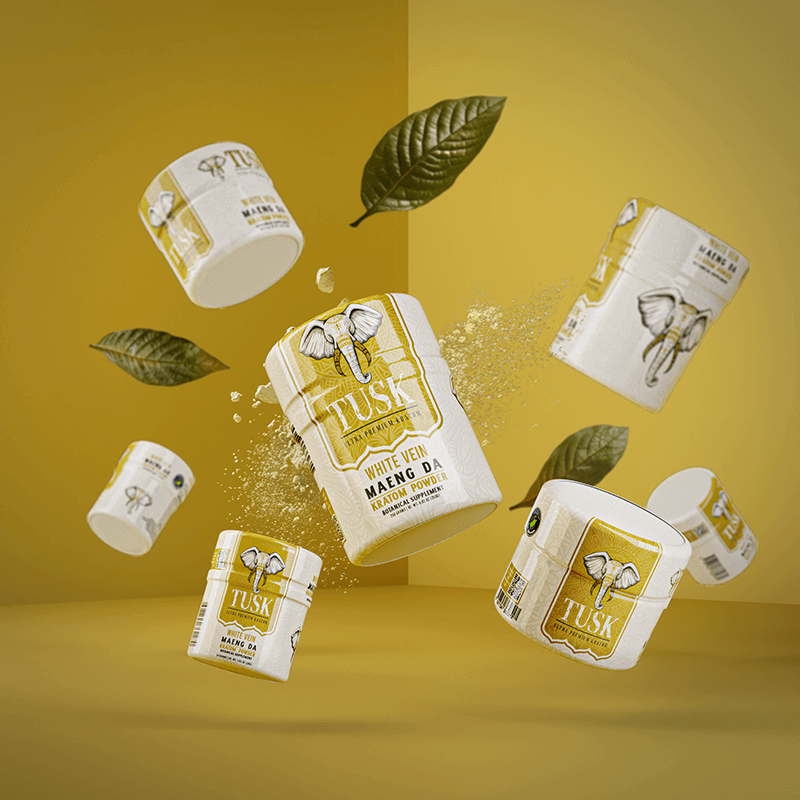
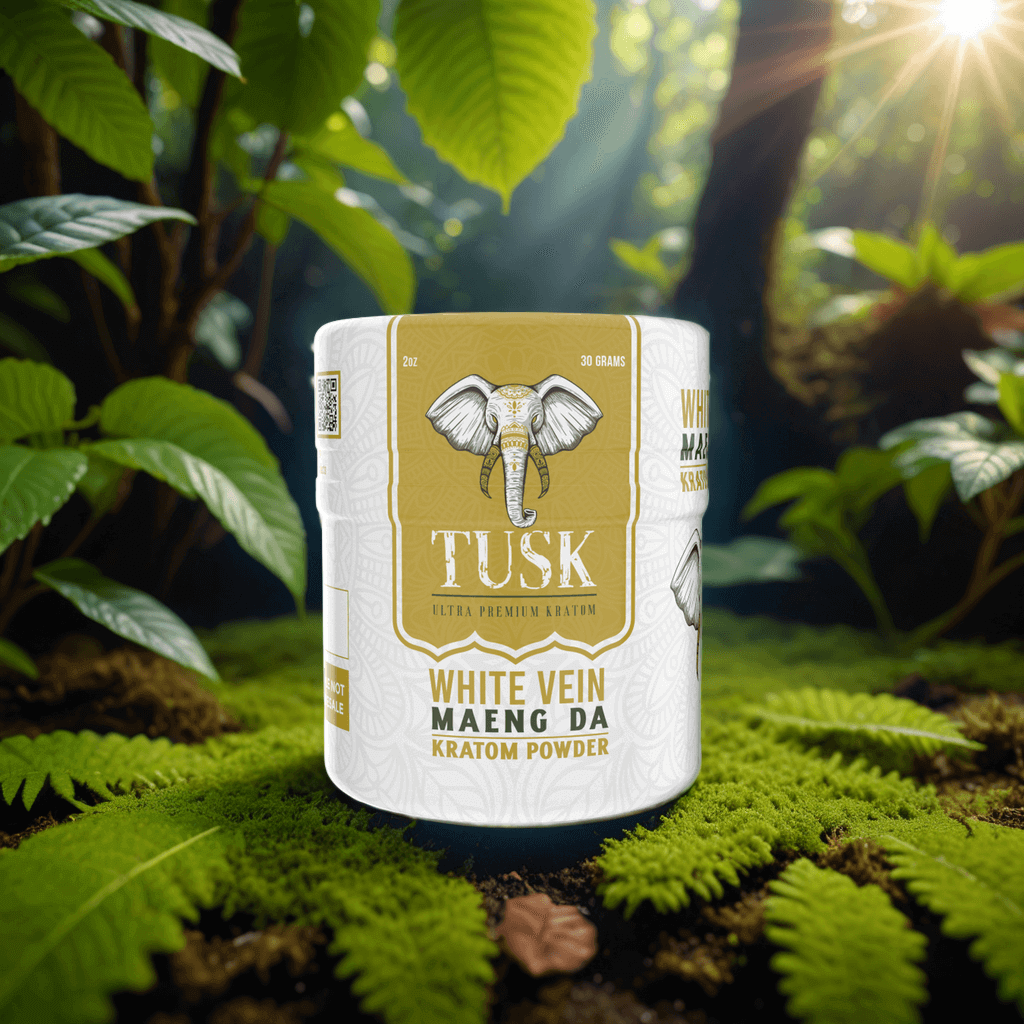
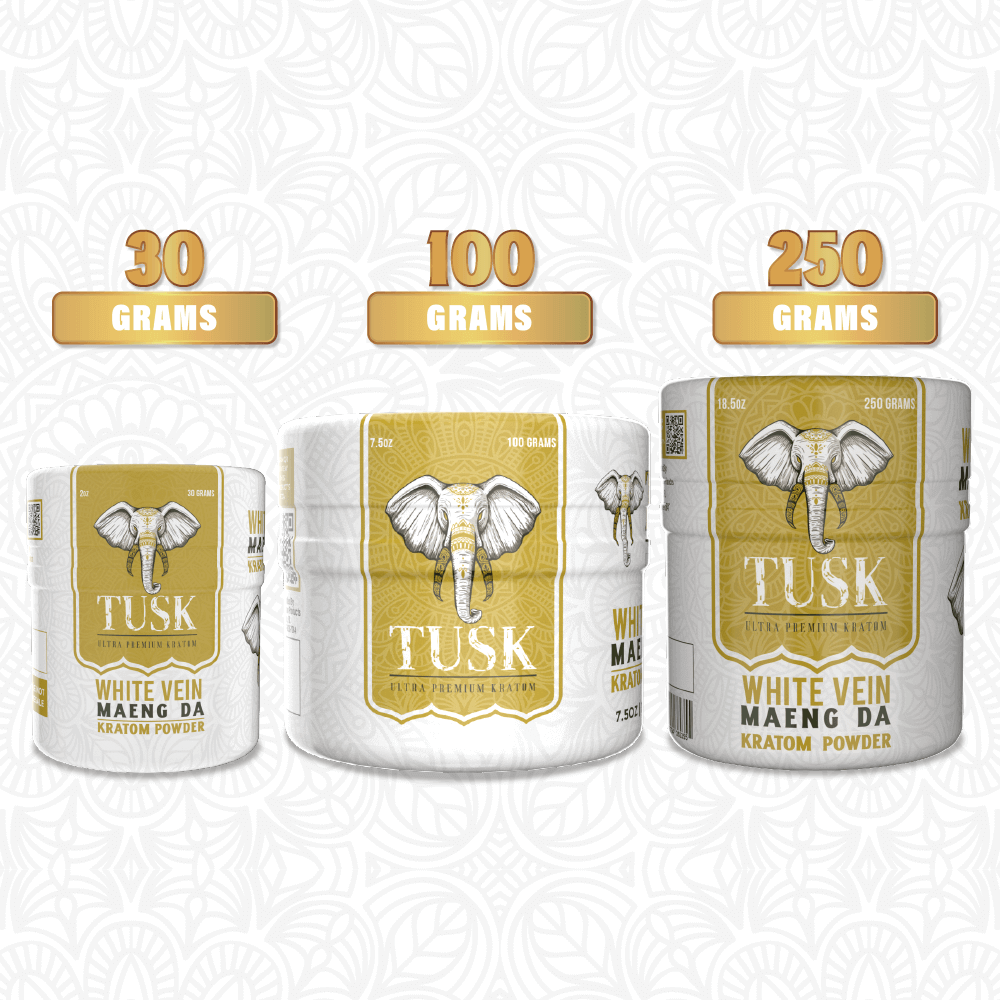
Looking for quality kratom? Tusk Kratom has you covered with a top-notch selection of products, and right now you can save 25% on your order. Just visit their site and enter code SLYNG_25 at checkout.
The Chemistry That Drives Kratom Powder Taste
Kratom powder taste is not just unpleasant by coincidence. It is a direct expression of the plant’s alkaloid content, and the same compounds responsible for kratom’s effects are the ones responsible for its flavor.
Understanding that connection explains why better kratom often tastes more intense, not less. The bitterness is the alkaloid content making itself known. That is a feature of the plant, not a flaw in the product.
Why Alkaloids Taste Bitter
Bitterness in plants is almost universally tied to alkaloid content. Alkaloids are nitrogen-containing compounds that plants produce as a natural defense mechanism, and bitter taste is the signal that evolved in animals to detect them. Humans retained that sensitivity, which is why coffee, quinine, and dark chocolate all register as bitter.
Mitragynine and 7-hydroxymitragynine, the two primary alkaloids responsible for the best kratom and its effects, are the main drivers of kratom powder taste. A batch with higher mitragynine content will taste more bitter than a lower-potency one. That relationship between potency and bitterness is consistent enough that experienced users treat flavor intensity as a rough proxy for quality.
The terpene and chlorophyll content of the dried leaf adds the earthy, grassy quality underneath the bitterness. Kratom powder is essentially dried and milled plant material, and the full range of plant compounds ends up in the final product. Those compounds give kratom powder taste its characteristic combination of bitter, earthy, and slightly astringent notes that most people notice immediately on first use.
How Strain and Vein Color Affect Flavor
Not all premium kratom products taste identical, and the differences between strains and vein colors are real enough to be noticed by regular users. Red vein kratom tends toward a deeper, heavier bitterness that lingers longer on the palate. White vein strains often have a sharper, more acidic edge that hits faster and fades more quickly.
Green vein kratom sits in the middle, with a balanced bitter-earthy profile that many beginners find slightly more approachable than red or white extremes. These differences trace back to variations in alkaloid composition between vein colors. Different alkaloids carry slightly different flavor notes, and the ratio of those alkaloids determines the overall kratom powder taste profile.
The geographic origin of the leaf also matters. Kratom grown in Indonesia, Malaysia, Thailand, and Borneo develops under different soil and climate conditions that affect how alkaloids form. A Maeng Da from one region can taste noticeably different from one sourced elsewhere, even though both carry the same strain name.
Methods for Managing Kratom Powder Taste
The kratom community has developed a wide range of strategies for dealing with kratom powder taste, and some work significantly better than others depending on individual sensitivity. The goal across all of them is reducing contact time or surface area between the powder and taste receptors without compromising absorption. Some approaches mask the flavor, others bypass it entirely. None require changing the product itself. Finding the right method is mostly a matter of trying a few until one fits the routine.
The Toss and Wash Method
Toss and wash is the most direct method for consuming kratom powder and the one most associated with managing the taste through speed. The method involves placing the powder in the mouth and washing it down immediately with a large swallow of liquid. When done properly, the contact lasts only a few seconds.
The liquid used matters more than most people realize. Plain water gets the job done but does nothing to counteract the bitterness. Orange juice and other citrus beverages are popular because the sourness and sweetness partially offset the bitter notes while the acidity may also support alkaloid absorption.
Dividing the dose into smaller portions and washing each one down separately rather than attempting a full dose at once makes a real difference in tolerability. Less powder on the palate at any moment means less intensity from the kratom powder taste. That single adjustment is the most practical tip for anyone who has found toss and wash overwhelming on the first attempt.
Mixing Kratom Powder into Beverages
Mixing high quality kratom into a flavored beverage distributes the bitterness throughout the drink rather than concentrating it on the palate all at once. The key is choosing something with enough flavor intensity to compete with it. Mildly flavored drinks rarely do enough. Strongly flavored options like chocolate milk, protein shakes, or tart fruit juices work considerably better.
Chocolate milk specifically is a frequently recommended option because the fat content and sweetness work together to coat the palate and soften bitter compounds. Thick mixers like yogurt or applesauce slow the rate at which alkaloids hit the taste receptors, producing a less immediate hit. Cold brewing kratom powder in juice for several hours and straining it produces a cleaner liquid that carries less of the earthy plant-material notes.
The temperature of the drink also affects how the kratom powder taste is perceived. Cold beverages tend to blunt bitter sensitivity slightly compared to room temperature drinks. Many users find that chilling whatever they mix kratom into before drinking produces a more tolerable result than the same mixture at room temperature.
Using Capsules to Bypass Taste Entirely
Kratom capsules enclose the powder in a gelatin or vegetable-based shell that bypasses the taste receptors entirely, delivering it straight to the stomach where it dissolves. For users who find the flavor genuinely intolerable, this is the most complete solution. No contact with the palate means no flavor experience at all.
The trade-off is onset time. The capsule shell adds roughly 15 to 30 minutes to absorption compared to loose powder, so effects build more gradually. For most users that delay is minor, and the complete elimination of the flavor more than compensates for it.
Pre-made capsules are widely available, but loading them at home using a manual capsule machine is a practical option for people who prefer to work with bulk powder. It combines the cost efficiency of buying in bulk with the convenience and taste advantage of the capsule format, and it gives full control over the dose per capsule.
Why Kratom Powder Taste Varies Between Suppliers
Even within the same strain, kratom powder taste can differ significantly between suppliers, and understanding why that happens is useful for evaluating quality and making informed purchasing decisions.
Suppliers with rigorous sourcing and testing standards produce more consistent flavor profiles across batches.
Suppliers who source opportunistically produce batches that can vary dramatically from one order to the next. That inconsistency is not just a taste issue, it reflects the overall reliability of the product. Taste alone is not a complete quality metric, but it is a practical one that experienced users pay attention to.
Final Thoughts
Kratom powder taste is one of the most consistent points of friction for new and regular users alike, but it is not arbitrary.
The bitterness is a direct expression of the alkaloid content that makes kratom effective, the earthy notes come from the full-spectrum plant compounds in the dried leaf, and the variation between strains, processing methods, and suppliers all trace back to the same underlying chemistry. Understanding that connection makes it possible to approach the taste practically rather than just enduring it.
The methods that work best for managing kratom powder taste are the ones that minimize contact time, dilute the flavor in a strong competing medium, or bypass the palate entirely through capsule formats. None of these require compromising on potency or consistency, and finding the right approach is mostly a matter of experimenting with the options until one fits the routine.
FAQs
Why does kratom powder taste so bitter?
Kratom’s bitterness comes directly from its alkaloid content, primarily mitragynine and 7-hydroxymitragynine. These are the same compounds responsible for kratom’s effects, which means a more bitter kratom powder taste generally reflects higher alkaloid concentration.
Does kratom powder taste the same across all strains?
Kratom powder taste varies noticeably between strains and vein colors because different strains have different alkaloid profiles. Red vein strains tend toward a deeper, heavier bitterness, white vein strains have a sharper, more acidic edge, and green vein strains fall in between.
What is the easiest way to take kratom without tasting it?
Capsules are the most effective way to eliminate kratom powder taste entirely, since the shell prevents any contact between the powder and taste receptors.
Does kratom powder taste change with age?
Kratom powder taste does shift as the product ages, typically becoming flatter and less bitter as alkaloids degrade through oxidation.
Why does my kratom taste different from the last batch?
Batch-to-batch variation in kratom powder taste typically reflects differences in sourcing, harvest conditions, or processing rather than changes in the product itself.