

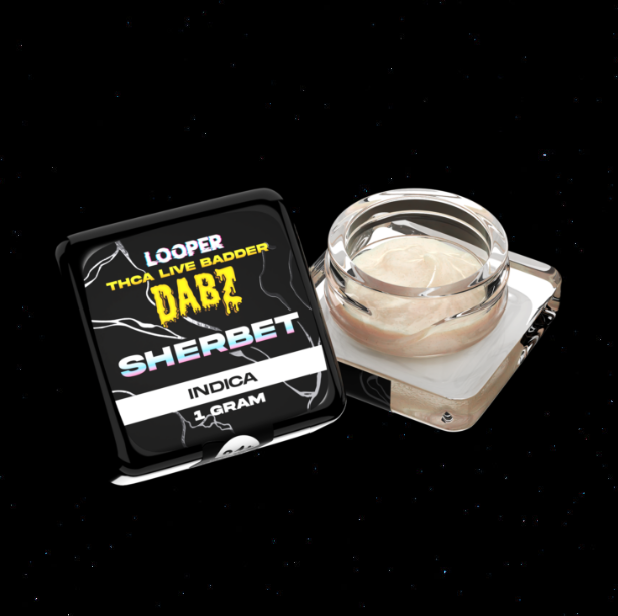
If dabbing has ever felt like a world with too many moving parts, that feeling is valid. There are dozens of concentrate types out there, and the terminology alone can make a first-timer’s head spin. One of them is the THCA live badder dabz line.
THCA live badder dabz sit at the more exciting end of that spectrum, and once the basics click, it becomes clear why so many people are gravitating toward this format over traditional flower or vape carts.
This guide covers everything worth knowing, from what THCA actually is, to how live badder gets made, to what the experience is actually like and how to get into it the right way.
Real quick before we get into it. Grab code SLYNG30 and pocket 30% off your next order. Okay, now let’s talk THCA live badder dabz.
Understanding THCA Before Anything Else
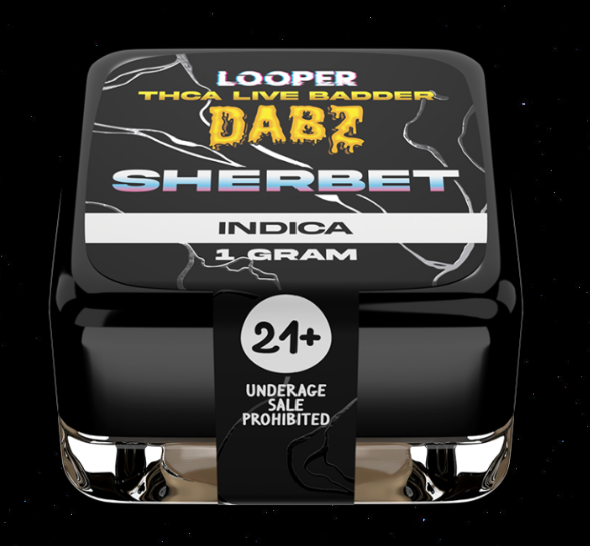
THCA, or tetrahydrocannabinolic acid, is the raw, non-psychoactive form of THC found in the cannabis plant before heat is applied. It exists naturally in fresh and live cannabis, and in that raw state, it does not produce a high.
The conversion happens through a process called decarboxylation, which is just a technical way of saying heat exposure. When THCA meets a heat source, it loses a carboxyl group and converts into delta-9 THC, which is the compound responsible for the psychoactive effects people associate with cannabis.
This is why THCA concentrates like THCA live badder dabz are legally sold as hemp-derived products in many states. The raw extract technically contains THCA rather than active THC, which places it within a different regulatory category under the 2018 Farm Bill framework.
Once that concentrate hits a hot dab nail or banger, though, the THCA converts rapidly and the effect is very much real.
Why THCA Concentrates Have Taken Off
The rise of THCA products in the hemp market has a lot to do with accessibility. People who live in states without recreational cannabis programs now have a legal pathway to a high-quality, high-potency concentrate experience. That access, combined with improvements in extraction technology, has pushed THCA live badder dabz into the mainstream conversation around concentrates.
The potency is another major factor. THCA concentrates can reach very high cannabinoid percentages, often well above what is achievable with standard flower.
For experienced consumers who have built a tolerance or who simply prefer concentrates for the cleaner, more flavorful experience, THCA products deliver in a way that flower often cannot match gram-for-gram. The concentrate format also tends to produce less combustion byproduct, which many people appreciate from a practical standpoint.
The strain-specific options available in THCA live badder dabz make the format even more appealing. Indica, sativa, and hybrid profiles are all represented, with terpene lineups that translate directly into the flavor and effect of the session.
That level of specificity gives consumers a lot of control over the kind of experience they are going to have, which is something that draws both newer users and veterans alike.
What “Live Badder” Actually Means
The term live badder covers two distinct ideas, and both are worth understanding separately before putting them together.
“Live” in concentrate terminology refers to the source material. Live resin and live badder are both made from cannabis that was flash-frozen immediately after harvest, before the plant goes through any drying or curing process. Standard extracts use dried and cured flower as the starting point.
The problem with drying and curing, from an extraction standpoint, is that a portion of the terpene content evaporates or degrades during that process. Flash-freezing locks the terpene profile in at its peak, right at the moment of harvest.
What the “Badder” Consistency Means for Dabbing
“Badder” describes the texture and consistency of the final extract. The concentrate world has a lot of texture categories: shatter, wax, crumble, sugar, sauce, and badder are among the most common. Badder sits in the softer, more workable range.
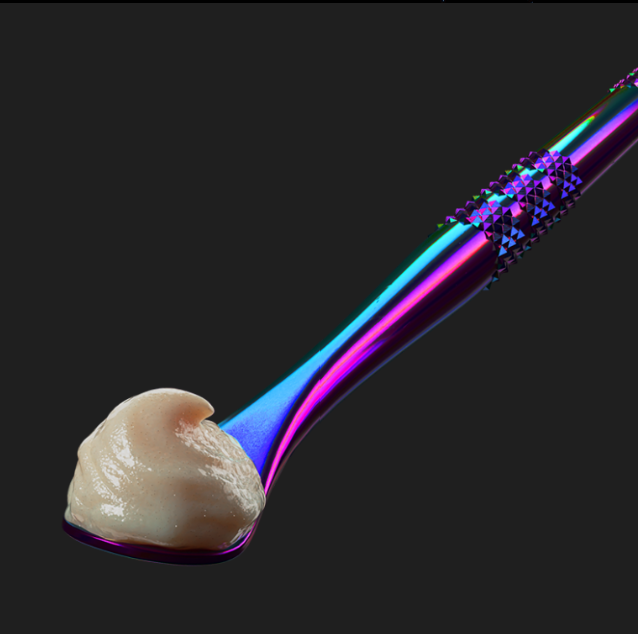
It has a smooth, creamy, almost frosting-like texture that makes it easy to handle with a dab tool. It does not crumble like wax, it does not snap like shatter, and it does not have the runny consistency of a sauce. Badder sits in a sweet spot that most dabbers find easy to portion and load.
The consistency also affects how the concentrate vaporizes. Badder tends to melt evenly and cleanly on a heated surface, which contributes to a smooth hit with good flavor retention. That even melt is part of why best THCA live badder dabz on the market favor this texture for the overall experience it delivers from start to finish.
How Live Badder Gets Made
The production process for live badder starts with that flash-frozen plant material and typically uses hydrocarbon solvents, most commonly butane or a butane-propane blend, to extract the cannabinoids and terpenes.
The extract then goes through a post-processing stage that involves whipping or agitating the concentrate at specific temperatures. That mechanical manipulation is what creates the soft, creamy badder texture.
The final product retains a high concentration of the original terpene profile from the live plant, which is why live badder tends to smell and taste significantly more complex and true-to-strain than concentrates made from dried material.
A gram of live badder from a fruity, citrusy strain is going to smell and taste like that strain in a way that is noticeably more vivid compared to a standard wax or shatter from the same genetics.
How to Dab THCA Live Badder: The Setup
Getting into dabbing for the first time does require some gear. The good news is the setup is straightforward once it is understood, and the quality of the experience scales up quickly with even modest equipment.
The core setup for dabbing THCA live badder consists of a dab rig, a nail or banger (the heat-resistant bowl that attaches to the rig), a torch, a dab tool, and a carb cap. The rig itself is essentially a water pipe designed for concentrates. The banger, typically made of quartz, is the component that gets heated and holds the concentrate during vaporization.
Low-Temp vs. High-Temp Dabbing
Temperature has a bigger impact on the dabbing experience than most beginners expect. High-temperature dabs, where the banger is heated until it is very hot and the concentrate is applied almost immediately, produce thick, intense hits that vaporize quickly. The trade-off is that high-temp dabbing tends to burn off terpenes before they can be fully tasted and experienced.
Low-temperature dabbing has become the standard approach for people who want to get the most out of premium live badder dabz. The banger is heated, then allowed to cool down to a target range of roughly 450 to 550 degrees Fahrenheit before the concentrate is applied.
At that temperature range, the badder melts slowly and evenly, terpenes come through clearly in the flavor, and the hit is noticeably smoother. A carb cap is placed over the banger after the concentrate is loaded to trap vapor and allow the badder to continue vaporizing at a lower, more controlled temperature.
Dosing for Beginners
THCA live badder dabz are high-potency products, and starting small is genuinely the right move for anyone new to concentrates. A beginner-appropriate dose is a very small amount, roughly the size of a grain of rice or slightly less. That amount is enough to gauge the experience before going further. The effects from dabbing come on faster than from edibles and more intensely than from most vape products, so patience between sessions is worth building in at the start.
THCA Live Badder Dabz vs. Other Concentrate Types
The concentrate market has a lot of options, and understanding where THCA live badder dabz sit relative to other formats helps clarify why people choose one over another.
Shatter is a brittle, glass-like concentrate that was very popular several years ago. It tends to have high potency but a less complex terpene profile compared to live extracts, partly because it is typically made from cured rather than live material.
Wax is softer than shatter but can be inconsistent in texture and is often drier and crumblier than badder. Crumble is similar but even drier, which some people find harder to work with on a dab tool.
Live Resin vs. Live Badder
Live resin and live badder share the same starting point, flash-frozen cannabis, but diverge in the post-processing stage. Live resin is typically less processed after extraction, resulting in a saucier, more fluid consistency.
It often contains visible crystalline THCA structures suspended in a terpene-rich liquid layer. Live badder, on the other hand, gets whipped into that smooth, uniform consistency that makes it easier to portion and load precisely.
Both are considered top-tier formats for terpene preservation. The choice between them often comes down to personal preference for texture and handling.
People who prefer a more forgiving, easy-to-scoop product tend to land on badder. People who enjoy the separation of crystal and sauce in live resin tend to gravitate that direction.
How THCA Dabz Compare to THCA Edibles
Dabbing and edibles are genuinely different experiences, and people often use both for different reasons rather than choosing one format permanently. The onset from dabbing is fast, typically within minutes, and the duration of effects is shorter compared to edibles. Edibles, because they are processed through digestion, have a slower onset but a longer-lasting effect as THCA converts and the resulting THC metabolizes differently in the body.
For people who want the quick, flavorful, session-based experience, top quality THCA live badder are the format. For those who prefer a longer, more gradual experience, looking into the best THCA edibles is a reasonable direction to explore alongside concentrates. Both categories have a place in a well-rounded consumption approach, and they do not compete so much as complement each other depending on the context.
What to Look for When Buying THCA Live Badder Dabz
Not all products in this category are made to the same standard. The sourcing, extraction method, and testing practices behind a product tell most of the story about its quality.
Third-party lab testing is the baseline requirement. Any THCA live badder dabz product worth purchasing should have a current certificate of analysis from an independent laboratory that verifies the cannabinoid content, confirms the THCA percentage matches the label, and checks for contaminants including residual solvents, heavy metals, pesticides, and microbials. That documentation should be publicly accessible.
Strain Transparency and Sourcing
A quality product will be clear about the strain, the terpene profile, and the indica, sativa, or hybrid classification. Products that list vague or generic descriptions without specific strain lineage or terpene data are harder to evaluate and often indicate a lower level of care in production.
When it is time to buy THCA edibles or concentrates, going through transparent, reputable sources is the most reliable path. Brands that post their lab results, describe their extraction process, and provide detailed strain information are signaling that quality control is a priority. That transparency is worth factoring into any purchase decision, especially for newer consumers who are still calibrating what works for them.
Final Thoughts
THCA live badder dabz occupy a well-earned spot in the concentrate world. The combination of flash-frozen source material, terpene-preserving extraction, and workable badder texture creates a product that delivers both in terms of potency and flavor in a way that a lot of other formats simply do not match.
For beginners, the learning curve is mostly about getting comfortable with the equipment and finding the right temperature range. For experienced consumers, the strain variety and quality ceiling of live badder make it a consistent go-to.
Understanding what goes into THCA live badder dabz, from the raw THCA content to the terpene profile to the production method, turns a potentially overwhelming category into something approachable and genuinely exciting. The more that is known about what is in a product and why, the better the experience tends to be from session to session.
Now that we have broken down everything you need to know about THCA live badder dabz, here’s something worth knowing too: code SLYNG30 gets you 30% off your next order.
FAQs
What is THCA live badder and how is it different from regular wax?
THCA live badder is a cannabis concentrate made from flash-frozen plant material, which preserves the terpene profile at its peak before any degradation from drying or curing can occur.
Does THCA get you high when dabbed?
Yes. When THCA is exposed to heat through the dabbing process, it undergoes decarboxylation and converts into delta-9 THC. That conversion happens rapidly on a hot dab nail or banger, which means the psychoactive effects are present and come on quickly after inhalation.
What temperature should THCA live badder dabz be dabbed at?
Most experienced consumers and concentrate enthusiasts recommend a temperature range of 450 to 550 degrees Fahrenheit for live badder. This range allows the concentrate to melt and vaporize at a pace that preserves terpene flavor while still producing a full, satisfying hit.
How long does a gram of THCA live badder last?
That depends entirely on how frequently and how much is consumed per session. For someone dabbing daily with moderate-sized hits, a gram can last anywhere from several days to a week or more.
Are THCA live badder dabz legal?
Under the 2018 Farm Bill, hemp-derived products with a delta-9 THC concentration of 0.3% or less on a dry weight basis are federally legal. THCA is technically not delta-9 THC in its raw form, which is how many THCA products are positioned in the hemp market. However, state laws vary significantly. Make sure to check your state’s before purchasing.