

Getting quality sleep is one of those things that sounds straightforward until it is not. A lot of people have tried the basics, cutting screen time, keeping a consistent schedule, avoiding caffeine late in the day, and still find themselves lying awake at night with a brain that refuses to slow down.
That is where sleep support supplements have stepped in for a growing number of people, not as a replacement for good sleep habits, but as a tool that helps the body and mind actually get to a place where rest can happen.
The category has expanded significantly over the last few years, and understanding what is actually in these products and how each ingredient works is the difference between finding something useful and wasting money on something that does not do much.
This article breaks down the most common and most effective ingredients found in sleep support supplements, explains how they work, and covers what to look for when evaluating products in this space, including the growing role of cannabinoid-based options like CBN and delta 8 in sleep formulations.
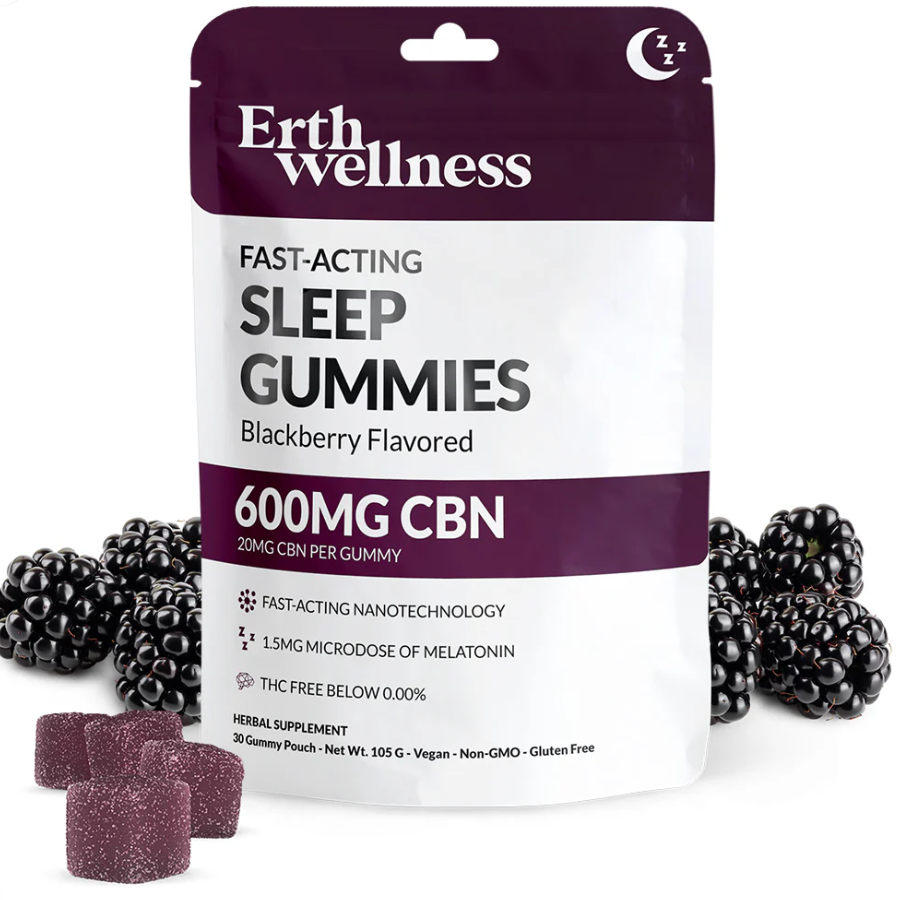
Before we go anywhere, try Erth Wellness and their effective sleep gummies for 25% off by using the coupon code TRIP25 now!
Why Sleep Support Supplements Work Differently for Different People
Sleep is not a single biological switch. It involves multiple systems in the body working together, and when something disrupts that process, the cause can vary significantly from person to person.
That variability is a big reason why sleep support supplements do not produce identical results for everyone, and why some ingredients work well for certain people while doing very little for others.
The Biology Behind Falling and Staying Asleep
Sleep is regulated primarily by two systems: the circadian rhythm, which is the body’s internal clock that responds to light and darkness, and the sleep-wake homeostatic system, which builds sleep pressure the longer a person stays awake.
When both systems are aligned and functioning well, falling asleep and staying asleep happens with relatively little friction. When one or both are disrupted, whether by stress, irregular schedules, light exposure, or other factors, the process breaks down.
Sleep support supplements generally work by targeting one or more of these systems. Melatonin, for example, works directly on the circadian rhythm by signaling to the brain that it is nighttime. Adaptogens and calming herbs like ashwagandha or passionflower work by reducing the physiological stress response that keeps the nervous system activated when it should be winding down.
Cannabinoids like CBN and delta 8 work through the endocannabinoid system, which has its own role in regulating sleep cycles, mood, and relaxation. Understanding which part of the sleep process is causing difficulty helps narrow down which type of supplement is most likely to help.
Why One Ingredient Is Rarely Enough
Single-ingredient sleep products exist and can work for specific situations, but most people who struggle with sleep consistently find that a combination approach is more effective. That is because sleep difficulty rarely has a single cause. Someone might be overstimulated mentally but not physically tense, or physically restless but not anxious. Someone else might fall asleep fine but wake up at 3am and be unable to get back down.
The best sleep support supplements on the market today tend to use multi-ingredient formulas that address different layers of the sleep process simultaneously.
A formula that combines melatonin for circadian signaling, a calming herb for nervous system support, and a cannabinoid like CBN for deeper relaxation is covering more ground than any single ingredient can on its own.
That stacking logic is the same principle behind cannabinoid blends, and it applies equally well to the broader sleep supplement category.
CBN: The Cannabinoid Specifically Associated with Sleep
CBN, or cannabinol, has become one of the most talked-about ingredients in the sleep supplement space over the last few years. It is a naturally occurring cannabinoid found in cannabis and hemp plants, produced through the gradual degradation of THC over time, and it has a well-established reputation for sedative properties that makes it a natural fit for sleep-focused formulas.
What CBN Does in the Body
CBN is mildly psychoactive but significantly less so than THC variants. It interacts with CB1 and CB2 receptors in the endocannabinoid system, but its binding affinity is lower than delta 9 or delta 8, which is why its primary effect is sedation and relaxation rather than a noticeable high.
The endocannabinoid system plays a meaningful role in regulating sleep architecture, including both the onset of sleep and the maintenance of deeper sleep stages, which is why cannabinoids in general have attracted interest as sleep support supplements.
CBN’s specific reputation for sleep comes partly from anecdotal reports in cannabis communities who noticed that older, more oxidized cannabis, which contains higher CBN concentrations, tended to produce heavier, more sedating effects.
That observation has been borne out in product development, with CBN-dominant formulas consistently receiving strong feedback for sleep support from users who found standard melatonin products insufficient on their own.
CBN in Combination with Other Cannabinoids
CBN performs even better in sleep formulas when combined with other cannabinoids, particularly delta 8 and CBD. Delta 8 adds broader relaxation and mild euphoria that helps quiet mental activity before sleep.
CBD contributes calming properties and supports a smoother, more sustained effect duration. The combination of all three creates a layered experience that addresses both the mental and physical components of wind-down in a way that CBN alone cannot fully deliver.
Best sleep gummies in the current market almost always contain CBN as a primary ingredient, often in combination with delta 8 or CBD and sometimes with a low dose of melatonin as well.
That combination represents the most complete approach to cannabinoid-based sleep support currently available, and the products built around it consistently outperform single-ingredient options for users who need more than basic melatonin to get a full night of rest.
Delta 8 THC as a Sleep Support Tool
Delta 8 THC is better known as a general relaxation and mild euphoria cannabinoid, but its role in sleep support is worth addressing specifically.
For many users, the relaxing, body-heavy quality of delta 8 is exactly what is needed to make the transition from awake to asleep feel effortless, and delta 8-containing sleep formulas have become a popular category in the hemp market.
How Delta 8 Contributes to Wind-Down
Delta 8 binds to CB1 receptors in the central nervous system with moderate affinity, producing a calm, clear-headed relaxation that is distinct from the heavier sedation of CBN.
In a sleep context, delta 8 is most useful for the early part of the wind-down process, helping to reduce the mental chatter and physical tension that keep people awake even when they are tired. It does not directly cause sleep the way CBN does, but it creates the conditions that make sleep easier to reach.
For people who struggle with racing thoughts at bedtime, delta 8 is particularly effective because its mild euphoric quality shifts attention away from anxious or ruminating mental patterns without the cognitive heaviness that can come from stronger cannabinoids. Users who have tried products for sleep that include delta 8 alongside CBN often describe the experience as feeling genuinely relaxed rather than simply tired, which is a qualitatively different and more comfortable way to fall asleep.
Dosing Delta 8 for Sleep Specifically
The dosing logic for delta 8 in a sleep context is slightly different from recreational use. For sleep purposes, a moderate dose taken 30 to 60 minutes before bed is the most effective approach.
Too low a dose may not produce enough relaxation to make a meaningful difference. Too high a dose can occasionally push into territory that is overstimulating for some users, particularly those who are newer to delta 8.
Most sleep-focused delta 8 edible products calibrate their dose with this window in mind, which is why the per-serving amount on a sleep gummy is often different from what would be found in a standard daytime delta 8 product.
What to Look for in Quality Sleep Support Supplements
Not every sleep supplement on the market is made with the same level of care, and the category has enough low-quality products in it to make evaluation worth the effort. A few consistent standards apply across the board.
Ingredient Transparency and Dosing Accuracy
A quality sleep support supplement lists every active ingredient with its exact amount per serving. Proprietary blends that list multiple ingredients under a single milligram total without breaking down individual doses make it impossible to evaluate whether any given ingredient is present at a therapeutically relevant amount. This is a common practice in the supplement industry that benefits the producer, not the consumer.
For cannabinoid-based sleep products specifically, a current Certificate of Analysis from a third-party accredited lab should confirm the cannabinoid content matches what the label claims. CBN, delta 8, and CBD should each appear on the COA with quantified concentrations.
Anyone looking for high quality sleep gummies should treat accessible, current lab documentation as a baseline requirement before purchasing, the same standard that applies to any hemp-derived product.
Format and Onset Timing
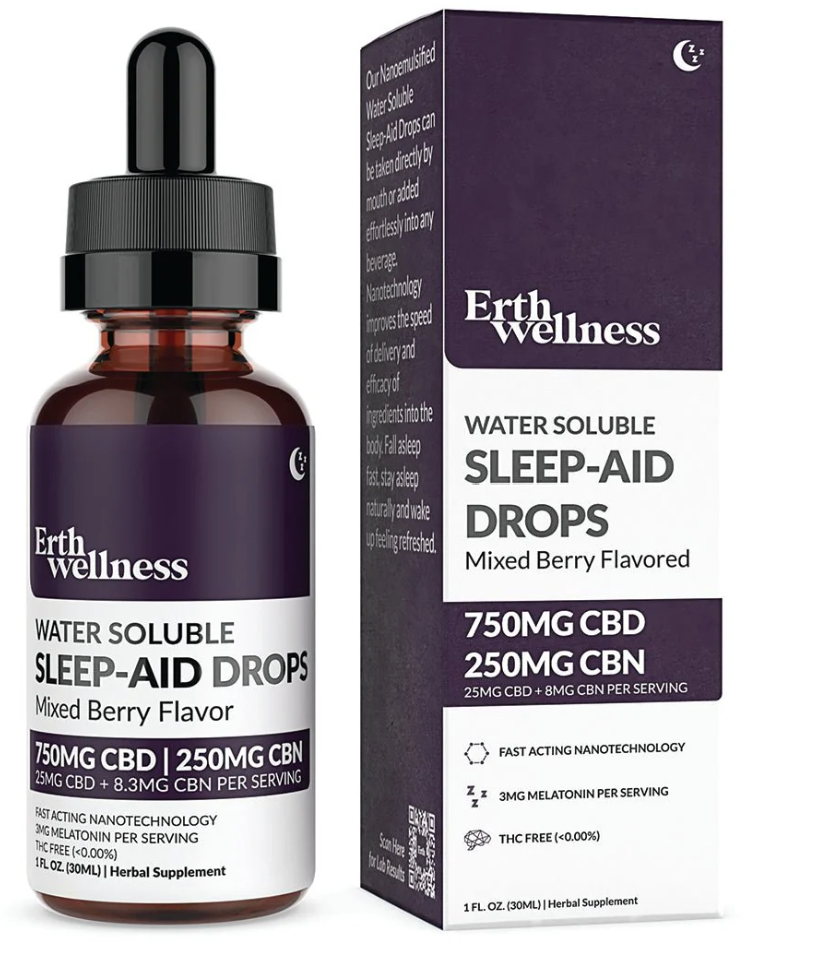
The format of a sleep supplement affects how quickly it works and how long the effects last, which matters for matching the product to the specific sleep issue. Gummies and other edibles take 30 to 90 minutes to onset but produce effects that last four to six hours or longer, making them a good fit for people who struggle with both falling asleep and staying asleep through the night. Tinctures taken sublingually work faster, typically within 15 to 45 minutes, and are a better option for people who want quicker onset and more control over the dose.
Capsules and softgels fall in a similar range to gummies in terms of onset and duration. They tend to have a more neutral flavor profile, which some people prefer, and they make precise dosing straightforward since each capsule contains a fixed amount. The right format depends on personal preference and which part of the sleep process needs the most support.
Avoiding Unnecessary Additives
Sleep support supplements, particularly gummies and edibles, sometimes contain artificial dyes, high-fructose corn syrup, or other additives that do not contribute to sleep quality and may actually work against it in people who are sensitive to sugar or artificial ingredients. Clean-label products that use natural flavoring, natural colorants, and sugar alternatives or minimal sweeteners are a better choice for anyone who takes sleep health seriously enough to invest in a supplement for it.
The ingredient list should be readable and sensible. If a sleep gummy contains a long list of artificial additives alongside its active ingredients, the producer is prioritizing palatability and cost over product integrity. The cleanest sleep support supplements are made by brands that apply the same standard to every ingredient, not just the active ones.
Final Thoughts
Sleep support supplements cover a wide range of ingredients and approaches, and the best options in the category are the ones built with real formulation intention behind them. Melatonin, CBN, delta 8, ashwagandha, passionflower, L-theanine, and magnesium each address different parts of the sleep process, and the most effective products combine several of them in doses that are clinically relevant rather than token amounts added for label appeal.
The common thread across all the sleep support supplements worth taking seriously is transparency. Ingredients disclosed clearly, doses listed accurately, cannabinoid content verified by lab testing, and a formulation logic that reflects an actual understanding of sleep biology. Those standards do not guarantee a perfect night of sleep for everyone, but they are the baseline for products that have a real shot at making a difference.
FAQs
What ingredients should a good sleep support supplement contain?
A well-formulated sleep supplement typically includes a combination of melatonin for circadian support, a calming cannabinoid like CBN or CBD, and one or more herbal or nutritional compounds like ashwagandha, passionflower, L-theanine, or magnesium glycinate. Multi-ingredient formulas that address different aspects of sleep simultaneously tend to outperform single-ingredient products for most users.
How long do cannabinoid sleep gummies take to work?
Cannabinoid edibles typically take between 30 and 90 minutes to produce noticeable effects, depending on the individual’s metabolism, whether they have eaten recently, and the specific cannabinoids in the formula. Taking them 45 to 60 minutes before the intended sleep time is a reliable starting point for most people.
Is delta 8 good for sleep?
Delta 8 contributes to sleep by producing body relaxation and reducing mental activity before bed, which makes the transition into sleep easier for many users. It works best as part of a formula that also includes CBN for deeper sedation rather than as the sole sleep-support cannabinoid. Moderate dosing taken about an hour before bed is the most effective approach.
Are sleep gummies safe to take every night?
Clean-formulation sleep gummies with responsibly dosed ingredients are generally considered safe for regular use by healthy adults. Products that rely heavily on high-dose melatonin may cause tolerance issues over time, which is why formulas that use melatonin at lower doses alongside other ingredients are a better long-term option. Consulting a healthcare provider is always a reasonable step for anyone with underlying health conditions or who takes other medications.
What makes one sleep supplement better than another?
The main differentiators are ingredient quality, dosing accuracy, formulation logic, and third-party lab verification for any cannabinoid components. Products that clearly disclose every ingredient and its amount, use clean manufacturing practices, and provide accessible COAs for cannabinoid content are consistently more reliable than products that rely on vague labeling or proprietary blends to obscure what is actually in them.