

Quitting vaping and living a vape-free lifestyle is one of those things that feels simple in theory and genuinely difficult in practice. The nicotine gets most of the blame, and it deserves a fair amount of it, but nicotine is only part of the picture.
The habit of reaching for a device, the hand-to-mouth motion, the inhale-exhale rhythm, those physical patterns are wired into daily routines in ways that do not just disappear when the vape does. Building a vape free lifestyle that actually sticks means addressing both sides of that equation, the chemical dependency and the behavioral one, because ignoring either one is why so many quit attempts fall apart before they get traction.
This article is a real breakdown of what it takes to build a vape free lifestyle that lasts, what the most common failure points are, how to set up a routine that replaces the habit rather than just removes it, and what tools and strategies experienced quitters consistently point to as the ones that made the difference.
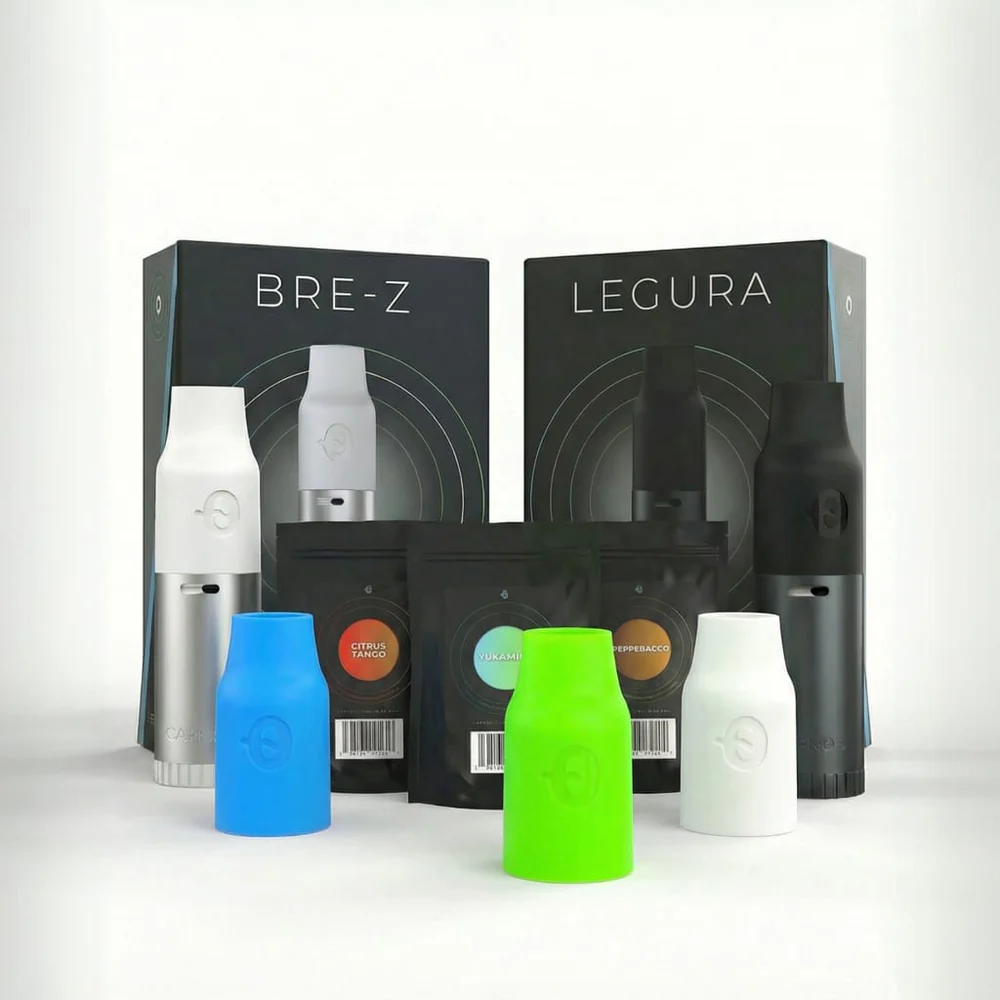
Already decided to take the next step on quitting vape? Buy the best pressurized air inhalers from CAPNOS now! Use the coupon code EXHALE15 to get a 15% discount off your cart!
Why Most Vape Quit Attempts Fall Short

The quit attempt failure rate for vaping is high, and the reasons are consistent enough across most people’s experiences to be worth looking at directly. Knowing where attempts tend to collapse makes it possible to build around those weak points from the start.
Going Cold Turkey Without a Replacement Strategy
Cold turkey quitting works for some people who wants to live a vape-free lifestyle, but the success rate without any support structure is low. The problem is not willpower, it is that removing a behavior without replacing it leaves a gap that the brain immediately tries to fill.
Vaping was serving multiple functions throughout the day, stress relief, sensory stimulation, a ritual break from tasks, social engagement in some contexts. When it disappears without a replacement, all of those functions become unmet needs that create constant low-level discomfort.
A vape free lifestyle that sticks almost always involves some form of replacement strategy, whether that is a nicotine replacement therapy like patches or gum to manage the chemical side, a behavioral replacement like a pressurized air inhaler to maintain the sensory ritual, or a combination of both.
The specific replacement matters less than the fact that the gap is filled rather than just left open. People who plan their replacements before quitting consistently outperform those who rely purely on elimination.
Underestimating Triggers
Triggers are the environmental and emotional cues that automatically produce vaping urges. Most people know their obvious triggers, stress, boredom, certain social situations, but the full list is usually longer than they realize until they stop vaping and start noticing every context that produces a craving.
Morning coffee, finishing a work call, getting in the car, watching TV at night, these routine moments become craving moments because they were paired with vaping hundreds or thousands of times.
Underestimating how many triggers exist is one of the primary reasons people get caught off guard in the first weeks of building a vape free lifestyle. The cravings are not random, they are contextual, and knowing that makes them more manageable.
When a craving hits as you are trying to live a vape-free lifestyle, it is possible to identify what triggered it and either modify that context or ride out the craving knowing it will pass, which it does, usually within three to five minutes.
Treating Relapse as Total Failure
Relapse is common in any habit change process, and treating a single slip as evidence that quitting is impossible is one of the most reliable ways to turn a temporary setback into a permanent return to vaping.
Research on habit change consistently shows that most people make several attempts before a sustained quit sticks, and each attempt typically involves learning something about what did not work that informs a more effective approach the next time. Once you overcome these, it is highly likely possible to live a vape-free lifestyle.
Building a vape free lifestyle with a realistic understanding of relapse, not as an outcome to expect but as a possibility to plan for, changes how setbacks are processed. A slip does not erase progress.
The days of living a vape-free lifestyle happened and still had effects on the nervous system’s adjustment away from nicotine. Getting back on track after a slip is always more productive than abandoning the attempt entirely.
The Role of Sensory Replacement in a Vape-Free Lifestyle
The sensory side of vaping dependency is the piece that most quit support tools leave unaddressed, and it is often what drives people back to vaping even after the nicotine withdrawal has mostly resolved.
Finding a way to replace the physical ritual of vaping is one of the most underrated strategies for building a vape-free lifestyle that holds up over time.
Why the Hand-to-Mouth Habit Is So Hard to Break
The hand-to-mouth motion is one of the most deeply conditioned behaviors associated with vaping. You need to find a way to resist this as you try to live a vape-free lifestyle. It is automatic, fast, and linked to contexts and emotions in ways that are difficult to interrupt through willpower alone.
The repetition involved in vaping, potentially hundreds of times per day for frequent users, creates a motor habit that the brain treats as a default response to specific triggers regardless of nicotine levels.
When the device is gone but the trigger remains, the automatic response is still there with nowhere to go.
That unfulfilled motor urge is a significant source of the restlessness and irritability that characterizes the early weeks of a vape free lifestyle for many people. Addressing it directly with a physical replacement for vape that satisfies the hand-to-mouth motion and the inhale-exhale ritual removes a major driver of relapse that is entirely separate from nicotine. This is important to know when you are trying to live a vape-free lifestyle.
Air-Based Inhalers as Behavioral Replacement Tools
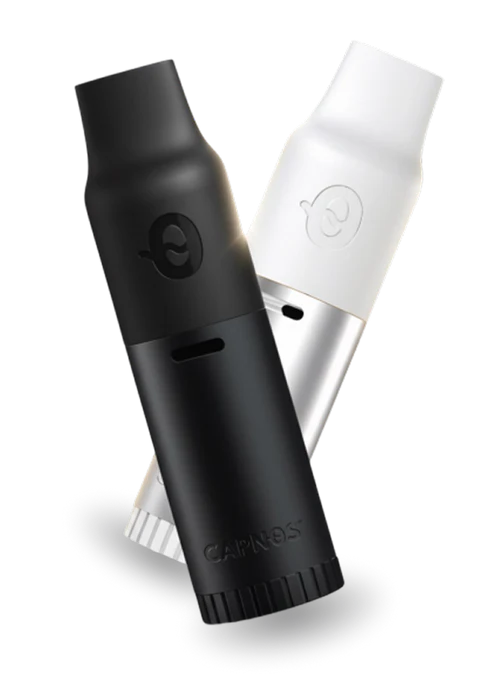
One of the more practical and direct approaches to the sensory gap of living a vape-free lifestyle is using an air-based inhaler that mimics the physical experience of vaping without delivering nicotine, chemicals, or vapor.
The best pressurized air inhaler options on the market are designed specifically for this purpose, providing the draw resistance, the inhale feel, and the exhale that the nervous system associates with the calm and relief of vaping, without any of the dependency-forming substances involved.
This category of tool is particularly useful in the first weeks of a vape free lifestyle when the behavioral habit is at its most powerful.
Using an air inhaler as you live a vape-free lifestyle in response to trigger moments satisfies the sensory craving enough to interrupt the automatic response and prevent relapse while the neural association between the trigger and the vaping ritual gradually weakens with each satisfied but substance-free response.
Over time, the frequency of use naturally decreases as the triggers lose their intensity.
Breathing Exercises as a Complementary Strategy
Deliberate breathing exercises are not a replacement for the physical act of vaping, but they complement sensory replacement tools by addressing the stress component that drives a large percentage of vaping triggers.
Slow, controlled breathing activates the parasympathetic nervous system, which reduces the physiological stress response that makes cravings feel urgent when you are trying to live a vape-free lifestyle.
Box breathing, which involves inhaling for four counts, holding for four counts, exhaling for four counts, and holding again for four counts, is particularly effective because it combines the deliberate breath focus that mimics the intentionality of vaping with a direct calming effect on the nervous system.
Practicing this alongside a physical replacement tool during craving moments covers both the sensory and the stress dimensions of the trigger in a way that either approach alone cannot fully address. Once you understand these things, it is possible for you to live a vape-free lifestyle.
Final Thoughts
Building a vape free lifestyle that actually lasts is a process, not an event. It requires understanding the dual nature of vaping dependency, having a clear strategy for both the nicotine and the behavioral sides of the habit, putting tools in place before the quit starts, and maintaining enough consistency over the first 30 days to let the neural habit patterns begin to loosen their grip.
The people who build a successful vape-free lifestyle are not the ones with the most willpower. They are the ones who took the time to understand their triggers, prepared their replacements, and kept going through the setbacks without treating each one as evidence that quitting is impossible.
The structure and the tools matter far more than the motivation alone, and building that structure before the quit date is what separates a vape free lifestyle that lasts from one that falls apart in the first week.
FAQs
How long does it take to build a vape-free lifestyle?
The most intense withdrawal and habit adjustment happens in the first 30 days of living a vape-free lifestyle, but building a genuinely stable vape free lifestyle typically takes three to six months as the behavioral associations with vaping continue to weaken. Most people experience a significant reduction in craving frequency and intensity by the end of the first month.
What is the hardest part of choosing a vape-free lifestyle?
For most people, the behavioral and sensory side of the habit is harder to manage than the nicotine withdrawal itself, particularly after the first week. The automatic urge to vape in specific trigger contexts persists well beyond the resolution of physical withdrawal and requires consistent redirection over time.
Does using a replacement tool count as failing to quit?
No. Using a replacement tool, whether nicotine replacement therapy or a sensory replacement device, is a strategy that improves quit success rates and a successful vape-free lifestyle. The goal of a vape free lifestyle is to stop inhaling nicotine and harmful substances, not to white-knuckle through every craving without any support.
How do I handle social situations where others are vaping?
Having a clear plan for those situations before they happen is the most effective approach. That might mean bringing a replacement device, having a rehearsed response to offers, or temporarily avoiding situations where vaping is central until the behavioral habit is more firmly broken. Over time, social vaping situations become less triggering as the vape free lifestyle becomes more established.
What if I relapse?
A relapse does not reset all progress or mean the quit is over as you attempt to live a vape-free lifestyle. The days spent not vaping still contributed to neurological adjustment and weakening of the habit pattern. Getting back to the vape free lifestyle as quickly as possible, ideally the same day, and identifying what triggered the relapse so the strategy can be adjusted is the most productive response to a slip.