

If you’ve tried quitting vape before, you know the drill. The first few days feel possible. Maybe even hopeful. Then something happens. A stressful moment at work. Boredom on a long drive. A night out with friends who are all hitting their devices. Before you know it, you’re back where you started.
Quitting vape without relapse isn’t just about fighting nicotine cravings. It’s about breaking the ritual, the hand-to-mouth motion, and throat hit. The deep inhale that gives you a second to breathe and reset. When you take away the vape but don’t replace the habit, your brain keeps reaching for something that isn’t there anymore.
That’s where pressurized air inhalers come in. This article breaks down exactly how these air inhalers help with quitting vape without relapse, what makes them effective, and how to use them as part of a real quit plan.
If you’re ready to try one out, CAPNOS has made it easier to take that first step. They’re on a mission to help one million people quit vaping by 2027, and you can grab any of their pressurized air inhalers for 15% off using the coupon code EXHALE15. Not a bad way to start fresh.
Why Quitting Vape Is Hard (And Why You Keep Going Back)
Most people think quitting is all about willpower. Just stop, put it down, and move on. But anyone who’s actually tried knows it’s way more complicated than that.
The Nicotine Trap
Nicotine is addictive. That part’s obvious. When you quit, your body goes through withdrawal. You get irritable, restless, anxious. You can’t focus. You feel like something’s missing because, chemically, something is.
However, nicotine withdrawal usually peaks in the first three to five days. After that, the physical cravings start to fade. So why do people relapse weeks or even months later?
The Habit Is Harder Than the Chemical
The ritual of vaping becomes wired into your routine. You vape when you wake up, when you’re stressed, when you’re bored, when you finish a meal, or when you’re waiting for something. It becomes automatic.
Your brain associates the act of vaping with relief, focus, or comfort. Even after the nicotine is out of your system, your hands still want something to do. Your lungs still want that deep pull. Your throat still craves that hit.
That’s why quitting vape without relapse takes more than just dealing with nicotine. You have to replace the behavior too.
What Actually Happens When You Try Quitting Vape
Let’s get real about what the first week looks like.
Days 1-3: The Worst of It
The first few days are rough. Nicotine cravings hit hard. You’re moody, tired, and every little thing feels like a trigger. Your body is adjusting to the absence of nicotine, and it’s letting you know.
But the mental part is just as tough. Every time you would normally grab your vape, you feel that urge. Your hand reaches for your pocket. You take a deep breath, but it doesn’t feel the same. You’re stuck in this weird limbo where your body wants something your brain knows you shouldn’t have.
Days 4-7: The Habit Kicks In
After the first few days, the physical nicotine cravings start to ease up a bit. But the habit? That sticks around. You still want to vape during your coffee break. You still want to hold something when you’re anxious. You still miss that throat hit.
This is where most people slip up. The nicotine might be fading, but the routine is still screaming at you. Without something to fill that gap, quitting vape without relapse feels almost impossible.
The Behavioral Addiction: Quitting Vape Without Relapse
Here’s what most quit methods don’t address: the physical ritual. When you vape, you’re dealing with two separate addictions. The first is the chemical (nicotine), the second is the behaviour (that’s everything else).
Patches and Gum Solve Only Half the Problem
Nicotine patches and gum help with the chemical side. They give your body a controlled dose of nicotine so you don’t go into full withdrawal mode. But they don’t do anything for your hands. They don’t give you that throat hit. They don’t recreate the sensation of inhaling and exhaling.
You can slap on a nicotine patch and still feel the urge to vape because your body is used to the motion. This can be the deep breath, the tactile feedback of holding something, or even the coolness in your throat when you inhale. Most times, you get to relapse more often than later.
Throat Hit and Deep Breath Factor
There’s something weirdly satisfying about that throat hit. It’s not just psychological. Your body has learned to associate that sensation with relief. When you take a deep pull and feel that resistance in your throat, it triggers a response. You feel calm, focused, and present.
When you quit, and that sensation disappears, your brain keeps looking for it. That’s why quitting vape without relapse is so hard. You’re not just fighting a craving. You’re fighting muscle memory.
How Pressurized Air Inhalers Help in Quitting Vape Without Relapse
Here’s a comprehensive breakdown of how pressurized air inhalers work in quitting vape without relapse.
What Are Pressurized Air Inhalers?
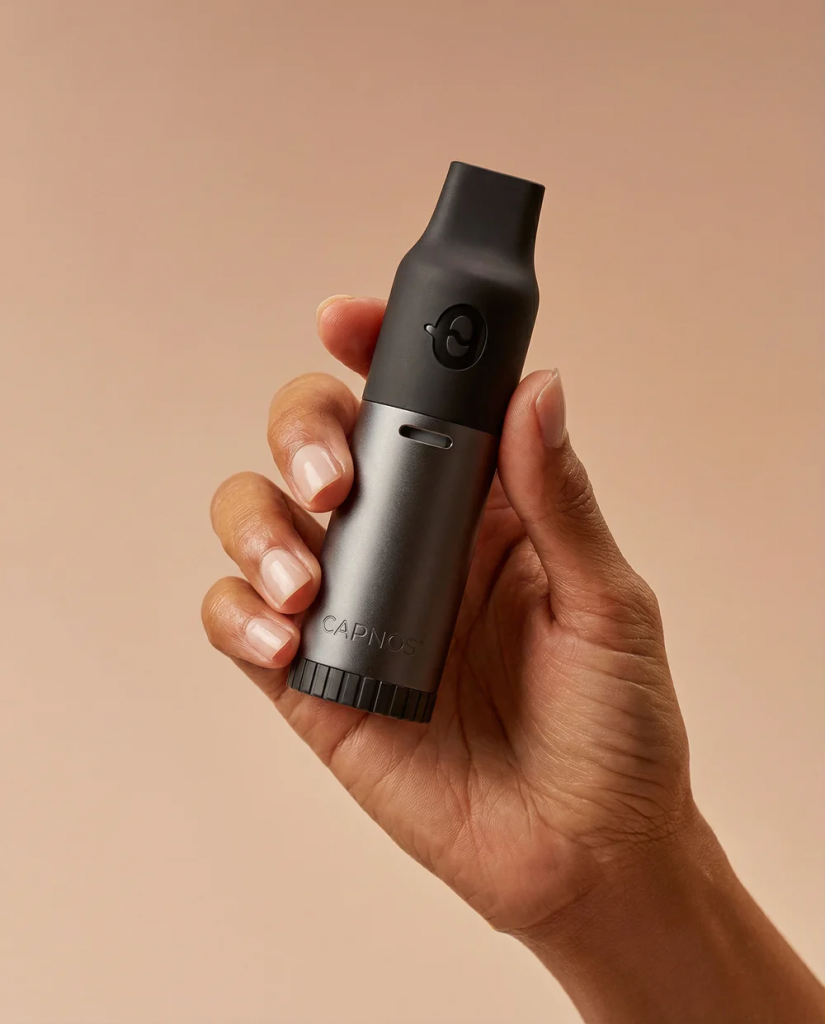
A pressurized air inhaler is a handheld device that mimics the sensation of vaping without delivering any harmful substances. No nicotine. No smoke. No vapor. No chemicals. Just air.
When you inhale through the device, it uses a silicone valve mechanism to create resistance and airflow. That resistance is what gives you the throat hit. It feels like you’re taking a real pull, even though you’re just breathing in air.
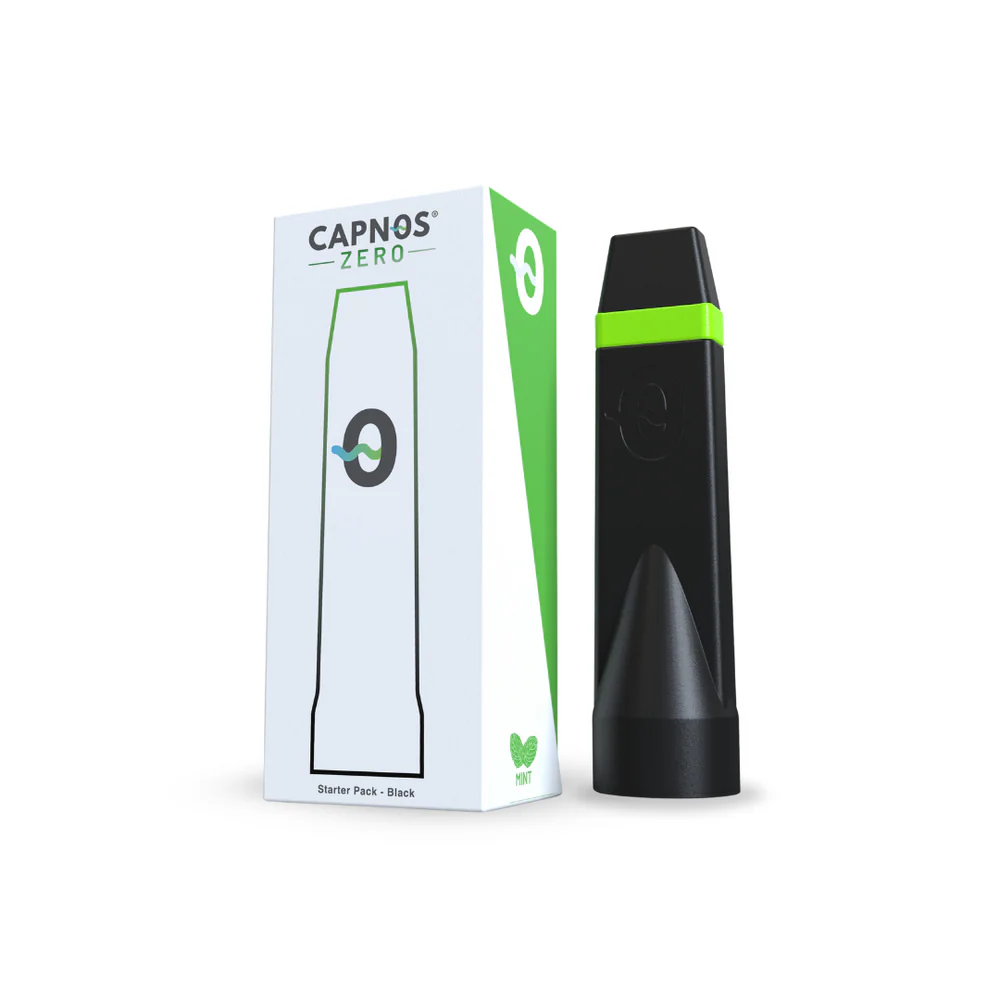
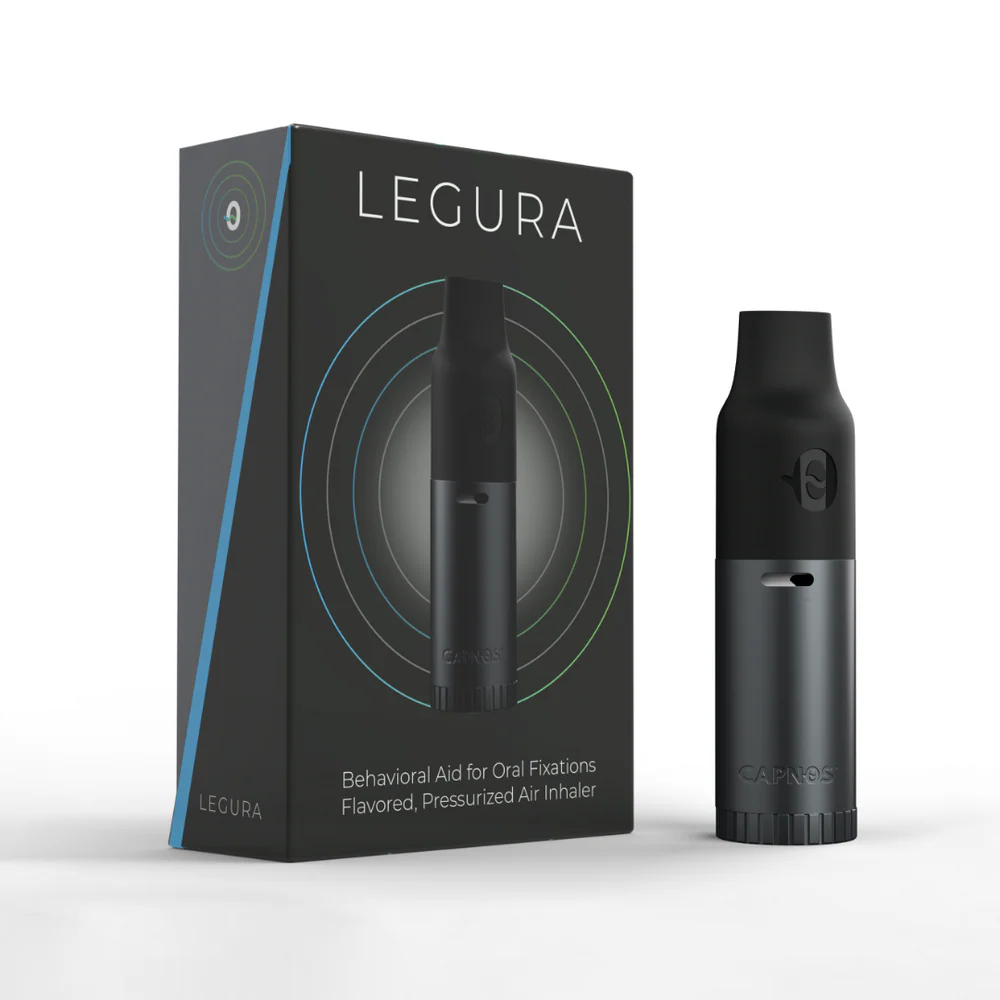
Additionally, devices like the CAPNOS Zero or CAPNOS Legura are built specifically for the purpose of giving you the throat hit and breathing experience without any of the harmful components.
What Makes Pressurized Air Inhalers Work for Quitting Vape Without Relapse
Pressurized air inhalers help to:
Mimic the Physical Motion and Breathing Pattern
The beauty of a pressurized air inhaler is that it replaces the ritual. You still get to hold something. You still get to bring it to your mouth. You still get to inhale deeply and exhale slowly. Your hands are busy. Your lungs are engaged. Your brain gets the sensory feedback it’s looking for.
But you’re not inhaling anything harmful. You’re just breathing.
Keep Your Hand Busy During Cravings
One of the hardest parts of quitting vape without relapse is not knowing what to do with your hands. You’re so used to reaching for your device that when it’s gone, you feel lost.
A pressurized air inhaler fills that gap. When a craving hits, you grab the inhaler instead. You take a few pulls. You get that familiar sensation. And the craving passes without you actually vaping.
Tricks Your Brain
Your brain doesn’t care if there’s nicotine in what you’re inhaling. It cares about the ritual, the motion, the throat hit, and the deep breath.
When you use a pressurized air inhaler, your brain gets enough of that sensory feedback to feel satisfied. Over time, the association between the ritual and the need for nicotine starts to break down. You’re retraining your brain to find comfort in the habit without needing the drug.
Best Ways to Use Air Inhalers to Quitting Vape Without Relapse
The best pressurized air inhalers are practical, and not magic. Here are the most effective ways to integrate them into your quit plan.
Keep It With You During Morning Coffee
Your morning coffee ritual with vaping is one of the toughest triggers to break. Instead of fighting it, work with it. Place your pressurized air inhaler right next to your coffee mug every morning. Take a few pulls between sips, just like you used to with your vape.
Here, the routine stays the same, your hands are busy, and your throat gets that familiar hit. But you’re not feeding the nicotine addiction. This replacement strategy is key for quitting vape without relapse because you’re maintaining the comfort of the ritual while eliminating the harmful part.
Use It Before Stress Hits, Not After
Don’t wait for stress to overwhelm you before reaching for your air inhaler. The moment you sense tension building, grab it. Take slow, deep pulls and focus on your breathing.
You can keep one on your desk at work, toss one in your bag, or leave one in your car. When you make it easily accessible and use it proactively, you stop cravings before they turn into full-blown urges. This approach helps with quitting vape without relapse because you’re staying ahead of triggers instead of reacting to them.
Socialize with it
When you’re around friends who vape, having your air inhaler in your pocket changes everything. You can step outside with the group and still get the throat hit and the deep breath without compromising your quit.
Use it openly. Take pulls when others are vaping. You’re not sitting there white-knuckling through the experience. You’re participating in the social moment while protecting your progress. This makes quitting vape without relapse easier because you’re not isolating yourself from your normal social life.
Replace Sessions Gradually
Start by identifying your easiest vape sessions to replace. Maybe it’s the one during your lunch break or while watching TV at night. Swap those out with your air inhaler first.
Once those feel natural, replace a few more sessions, and then a few more. Don’t rush it. Let your brain adjust to each change before moving to the next. This gradual method supports quitting vape without relapse because you’re building new habits slowly instead of overwhelming yourself with drastic change all at once.
Always Stay Prepared
Learn your patterns. If you always want to vape after eating, pull out your air inhaler the moment you finish your meal. If driving triggers you, keep it in your cup holder and use it as soon as you start the car.
Don’t wait until the craving screams at you. Get ahead of it. Take a few preventative pulls. Train your brain to reach for the inhaler automatically in those trigger moments. This proactive habit is essential for quitting vape without relapse because you’re creating new automatic responses that don’t involve nicotine.
Find Your Rhythm
During the first few days of quitting vape without relapse, you’ll likely reach for your pressurized air inhaler more often than you expect. That’s normal. Your brain is adjusting to a major change.
Pay attention to what actually helps versus what becomes a mindless habit. Use the inhaler when cravings hit, when triggers arise, or when you feel that familiar urge creeping in. But also give yourself moments to breathe.
The goal is to use the inhaler as a tool, not to create a new dependency. Over time, you’ll find a natural balance. Some days you’ll need it more. Other days less. Let your body and mind guide you toward what feels right.
Final Thoughts
Quitting vape without relapse is tough, but not impossible. The key is understanding that you’re not just fighting nicotine. You’re fighting a habit that’s wired into your daily routine.
Pressurized air inhalers give you a way to keep the ritual while cutting out the harm. They satisfy the hand-to-mouth urge, deliver a throat hit, and give your brain the sensory feedback it craves. All without nicotine, smoke, or vapor.
Hence, they make quitting feel less overwhelming. They give you something to hold onto when the cravings hit. That’s the key difference between relapsing and quitting for good.
FAQs
How do pressurized air inhalers help with quitting vape without relapse?
Pressurized air inhalers recreate the physical sensation of vaping without any nicotine or harmful chemicals. They satisfy the hand-to-mouth habit, provide a throat hit, and give you something to reach for during cravings. This helps you manage the behavioral side of addiction, which is often the hardest part of quitting vape without relapse.
Can I use a pressurized air inhaler with nicotine patches or gum?
Yes, you can. Pressurized air inhalers address the behavioral and physical habit of vaping. Nicotine replacement products like patches or gum handle the chemical dependency.
Do pressurized air inhalers contain any nicotine or chemicals?
No. Pressurized air inhalers like those from CAPNOS contain zero nicotine, zero smoke, and zero harmful chemicals. They use only air and optional natural flavor extracts. There are no batteries, no heat, and no vapor. They’re purely a behavioral aid.
How long does a pressurized air inhaler last?
CAPNOS devices are built to last a lifetime. The base is made from durable aluminum and can be used thousands of times. The only thing you might need to replace occasionally is the flavor pack, which is inexpensive and easy to swap out. This makes them far more cost-effective than constantly buying vape pods or disposables.
Will using a pressurized air inhaler make me want to vape again?
Not if you use it correctly. The goal is to retrain your brain to find satisfaction in the ritual without needing nicotine. Over time, the association between the throat hit and nicotine fades. You’re teaching yourself that you can have the habit without the addiction, and this eventually reduces the urge to vape rather than increasing it.