

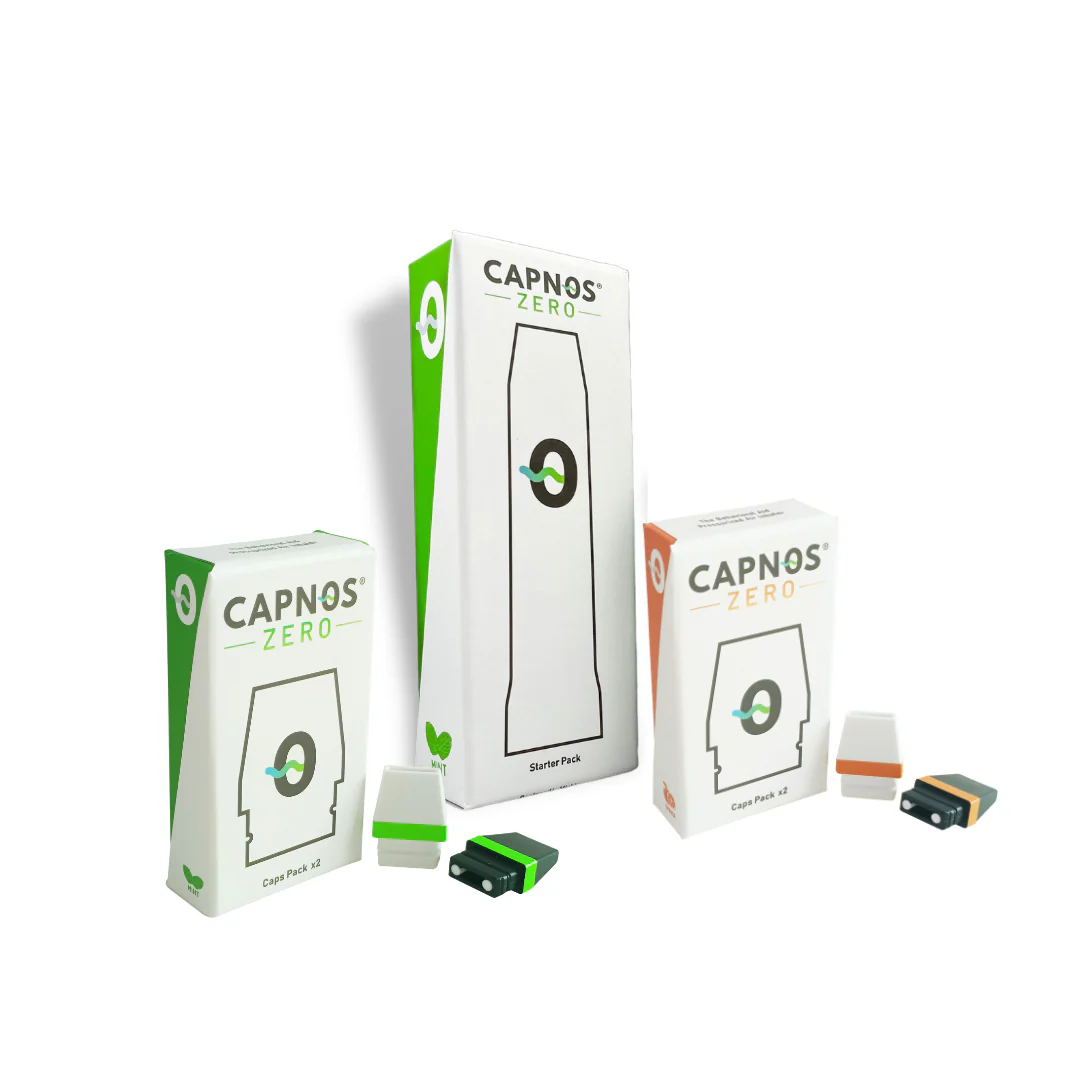
A vape quitting device works differently than nicotine replacement products by focusing on the physical habit of vaping rather than nicotine itself.
This article breaks down how a pressurized air inhaler mimics the inhale and exhale sensation of vaping, why that behavioral piece matters, and what to look for when choosing one in 2026.
It also covers maintenance, cost considerations, and realistic expectations for anyone trying to move away from vaping.
Quitting vaping is a big step, and CAPNOS makes the transition a whole lot more manageable with their pressurized air inhalers. Use code EXHALE15 for 15% off the cart. Worst case, you saved some money on the way to a better habit.
Understanding What a Vape Quitting Device Actually Does
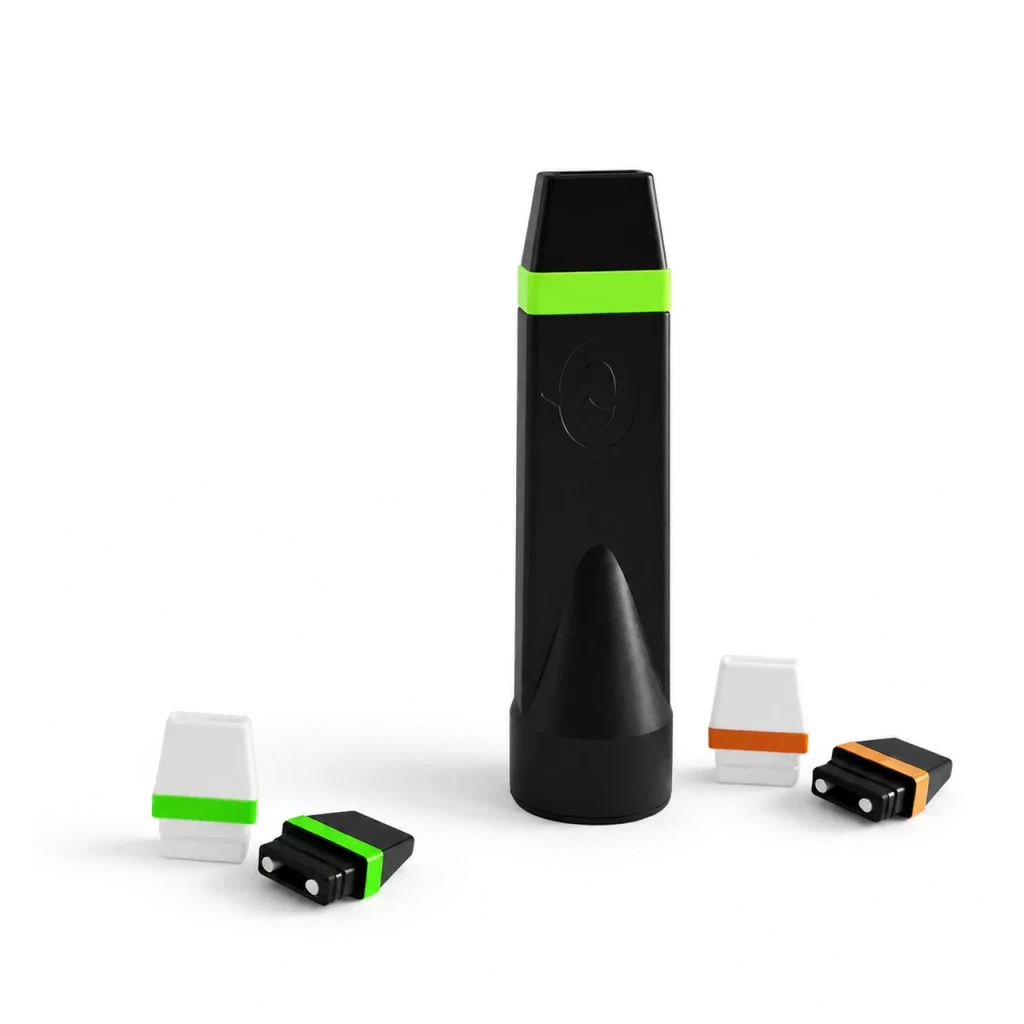
A vape quitting device is built around a simple idea, the habit of vaping is not only about nicotine. A lot of people reaching for a vape throughout the day are chasing the physical motion, the hand-to-mouth ritual, and that sharp inhale and exhale feeling more than the chemical itself. Recognizing this distinction is the starting point for understanding why a pressurized air inhaler works the way it does.
These devices are designed to replicate the physical sensation of vaping without producing any smoke, vapor, or nicotine. That means someone using one still gets the inhale, the throat hit, and the exhale motion their body has grown used to, just without the substances that come with a traditional vape or cigarette.
This approach treats vaping cessation as a behavioral challenge as much as a chemical one.
Why the Behavioral Piece Matters
Nicotine replacement products like patches or gum address the chemical side of quitting, but they do nothing for the physical ritual that a lot of former vapers describe missing the most. A vape quitting device fills that specific gap by giving hands and mouths something to do that mimics the old habit closely enough to feel familiar. This is often the piece that gets overlooked in more traditional quitting methods.
People who have tried quitting cold turkey often talk about how the physical motion of reaching for something, lifting it, and inhaling is what they miss just as much as any chemical effect. Addressing that motion directly, rather than ignoring it, is part of what makes a pressurized air inhaler a different kind of tool compared to patches or lozenges.
How This Differs From Traditional Vape Alternatives
Most alternatives marketed toward people quitting vaping still involve some form of nicotine, just in a different delivery method.
A true vape quitting device built around pressurized air skips nicotine entirely, focusing purely on the sensory experience of the hit itself. This distinction matters for anyone specifically trying to break away from nicotine dependency rather than just switching delivery methods.
This kind of device also skips the battery and heating element found in vapes, relying instead on mechanical pressure to create the inhale sensation. Removing the battery and heating component changes both how the device feels to use and how it needs to be maintained over time.
How a Pressurized Air Inhaler Works
Understanding the mechanics behind a pressurized air inhaler helps explain why the sensation feels close to vaping despite using no smoke or vapor at all. The engineering behind these devices is fairly straightforward once broken down into its core components.
The Valve System
At the center of most pressurized air inhalers is a valve that stays closed until a sharp inhale creates enough pressure to pop it open. That sudden release of pressure is what creates the strong pull sensation on inhale, similar to the resistance felt when pulling on a vape.
Once the valve opens, air rushes through the device and into the lungs, creating a physical sensation without releasing any smoke or vapor byproduct.
This mechanical design is intentional. It recreates the resistance and pull that vapers are used to feeling, which is a big part of what makes the habit satisfying in the first place.
Without that resistance, a device would feel more like breathing through an open tube, which does not replicate the sensation people are trying to replace.
Flavor Delivery Without Combustion or Vapor
Flavor plays a role in a lot of these devices, usually delivered through a small cartridge or cap containing natural extract oils.
As air moves through the device during inhale, it picks up flavor from the cartridge, giving a noticeable taste without any burning, heating, or vaporizing taking place. This keeps the experience purely mechanical and flavor-based rather than chemical.
Mint and menthol flavors tend to be common in this category because of the cooling sensation they add to the throat hit, which reinforces that familiar feeling associated with vaping and smoking.
Since there is no heating element involved, the flavor stays consistent from the first use to the last, provided the cartridge is refreshed as needed.
What Makes These Devices Different From Disposable Vapes
Comparing a vape quitting device to a disposable vape highlights a lot of the practical differences that matter for someone trying to break the habit rather than just switch products.
No Batteries or Charging Required
A high quality pressurized air inhaler runs entirely on mechanical pressure, meaning there is no battery to charge and no electronic components to maintain.
This removes a layer of complexity and cost that comes standard with disposable vapes, which typically get thrown away once the battery or liquid runs out. For someone trying to move away from vaping culture entirely, cutting out the electronic piece can feel like a meaningful step.
This also means there is no risk of battery failure, overheating, or the kind of malfunction issues that sometimes come up with disposable electronic devices. The simplicity of a mechanical design tends to make these products more predictable and lower maintenance over time.
Reusable Design Versus Single-Use Products
Most devices in this category are built to be reused thousands of times rather than thrown away after one use. Only the flavor cartridge or cap typically needs replacing, while the base of the device stays functional for a long stretch of regular use.
This reusable structure changes the overall cost picture significantly compared to buying disposable vapes on a weekly or monthly basis.
Anyone weighing the value of a vape quitting device against the ongoing cost of vape pods or disposables tends to find that the reusable model pays for itself fairly quickly. That said, actual savings depend on how often someone uses the device and how frequently cartridges need to be swapped out.
What to Look for When Buying One in 2026
The market for the best pressurized air inhalers has grown enough that shoppers now have real options to compare, rather than a single obvious choice. A few practical factors are worth checking before making a purchase.
Build Quality and Materials
A well-made pressurized air inhaler should feel solid without being overly bulky or heavy to carry around throughout the day.
Materials matter here, since a device made from cheap plastic components tends to wear out faster and may not hold up to repeated daily use. Checking reviews or product specifications for material details gives a better sense of long-term durability before committing to a purchase.
Ergonomics also play a role in whether a device actually gets used consistently. A vape quitting device that feels awkward to hold or use is less likely to become part of a daily routine, no matter how well it performs mechanically.
Flavor Options and Cartridge Availability
Flavor variety and how easily replacement cartridges can be found are practical considerations that affect long-term use.
A device with limited flavor options or hard-to-find replacement cartridges becomes less convenient over time, even if the core mechanism works well. Checking for consistent cartridge availability before buying helps avoid running into supply issues down the line.
Cost Over Time
While the upfront cost of a pressurized air inhaler may be higher than a single disposable vape, the reusable design usually means lower costs spread out over months of regular use.
Comparing the price of replacement cartridges against the ongoing cost of vape pods or disposables gives a clearer picture of whether the investment makes sense for a particular budget and usage pattern.
Setting Realistic Expectations
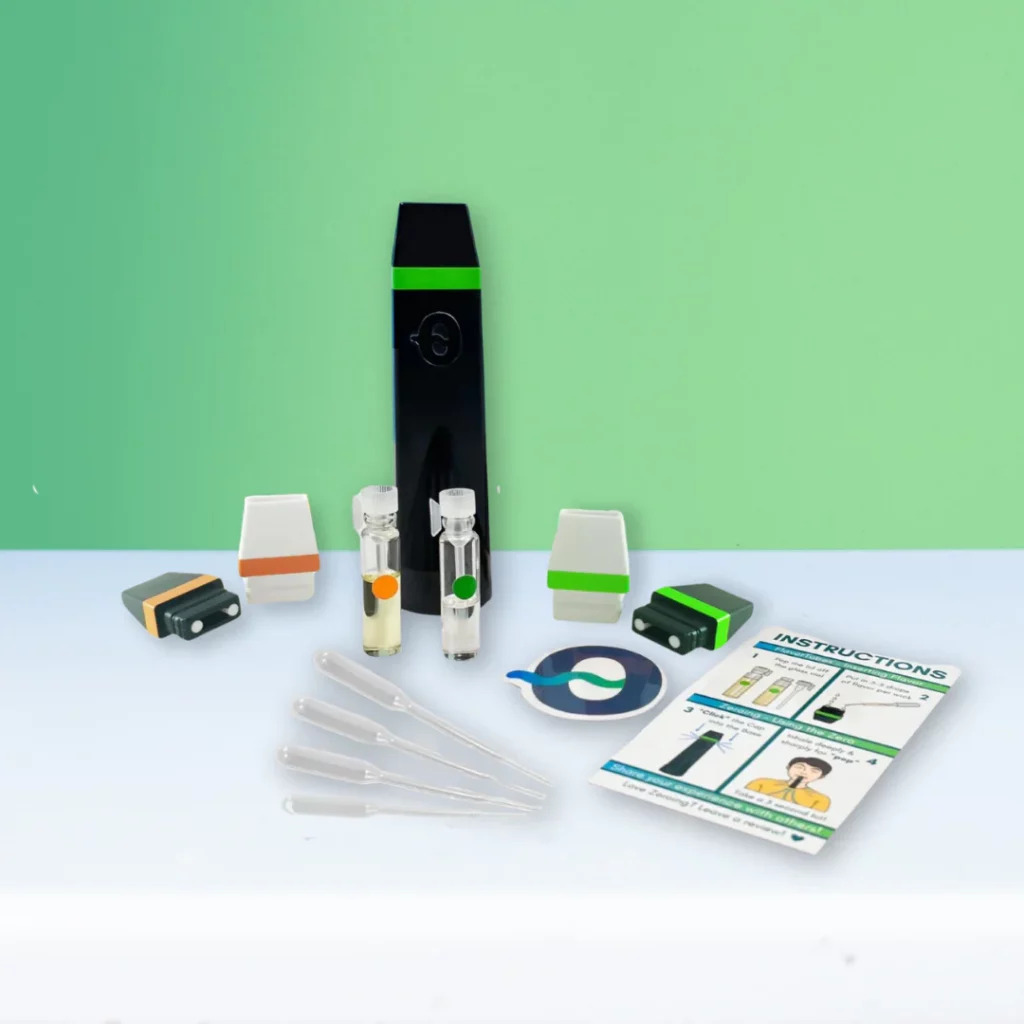
A vape quitting device is a tool, not a guaranteed solution on its own, and understanding that distinction matters for anyone considering one as part of a broader plan to quit vaping.
Addressing Habit, Not Full Dependency
These devices are built to address the physical and behavioral side of vaping, the hand motion, the inhale, and the throat hit. They are not designed to address nicotine dependency directly, since they contain no nicotine at all. Anyone dealing with strong nicotine cravings alongside the behavioral habit may find more success combining a pressurized air inhaler with other cessation strategies rather than relying on one approach alone.
Consistency Matters More Than the Device Itself
Like most habit-based tools, a vape quitting device works best with consistent use rather than occasional reach-for-it-when-desperate use. Building a routine around the device, similar to how the old vaping habit became routine in the first place, tends to produce better results than sporadic use. This is less about the device itself and more about how it gets incorporated into daily life.
Final Thoughts
A vape quitting device built around pressurized air technology offers a distinct approach to breaking the vaping habit by focusing on the physical ritual rather than nicotine alone. The valve mechanism, flavor delivery system, and reusable design all work together to recreate a familiar sensation without smoke, vapor, or batteries involved. Anyone considering this option in 2026 should weigh build quality, flavor availability, and long-term cost against personal habits and expectations, keeping in mind that the device works best as part of a broader, consistent effort to move away from vaping.
FAQs
How does a pressurized air inhaler create a throat hit without vapor?
It uses a valve system that stays closed until a sharp inhale creates enough pressure to pop it open, producing a strong pull sensation through mechanical resistance rather than vapor or smoke.
Does a vape quitting device contain nicotine?
No. These devices are built to address the physical habit of vaping and typically contain no nicotine at all.
How long does the base of a reusable device last?
Most reusable bases are designed to last through thousands of uses, with only the flavor cartridge needing regular replacement.
Is a pressurized air inhaler cheaper than buying disposable vapes?
Over time, the reusable design tends to cost less than repeatedly buying disposable vapes or pods, though actual savings depend on usage frequency.
Can this type of device fully replace nicotine cessation methods?
Not on its own. It addresses the behavioral and physical habit of vaping, so combining it with other cessation strategies may work better for those also managing nicotine cravings.