

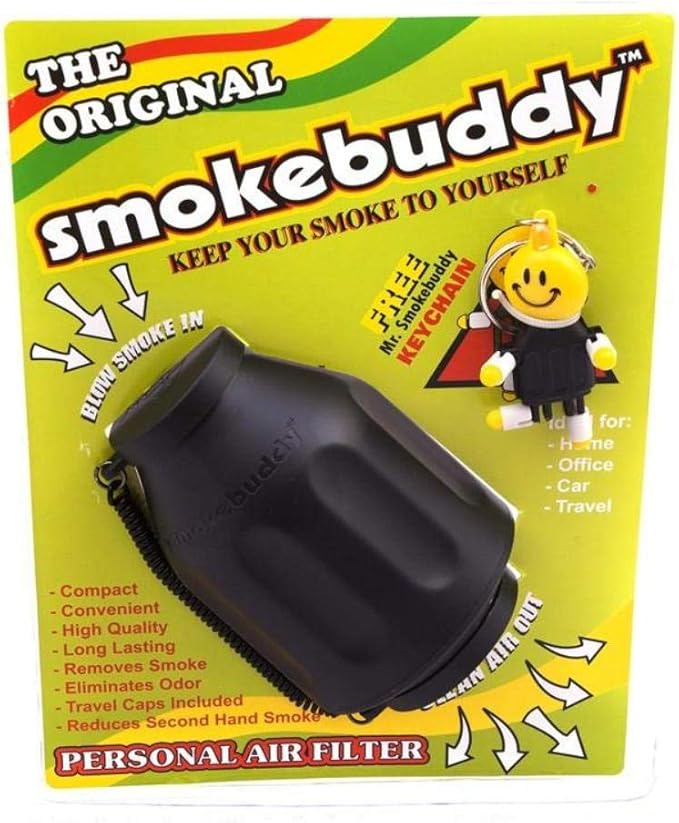
There is a reason activated carbon shows up in water filtration systems, gas masks, industrial air purifiers, and personal smoke filters. It is not a trend ingredient or a marketing claim.
It is a material with a well-documented ability to capture and hold odor-causing compounds at a molecular level, and that ability is exactly what makes an activated carbon personal air filter perform the way it does.
A lot of people pick up a premium personal air filter without thinking much about what is actually inside it. The outside looks similar across most products in the category. The difference in how well they work comes down almost entirely to the filtering material used internally, and activated carbon is the standard that serious products are built around.
Understanding why activated carbon personal air filters work, how they compare to alternatives, and what affects their performance over time gives a much clearer picture of what to look for and why it matters.
If you’re serious about keeping smoke and odor under control indoors, Smokebuddy is the brand to know. Grab your personal air filter and use code SLY25 to knock 25% off when you order.
What Activated Carbon Actually Is
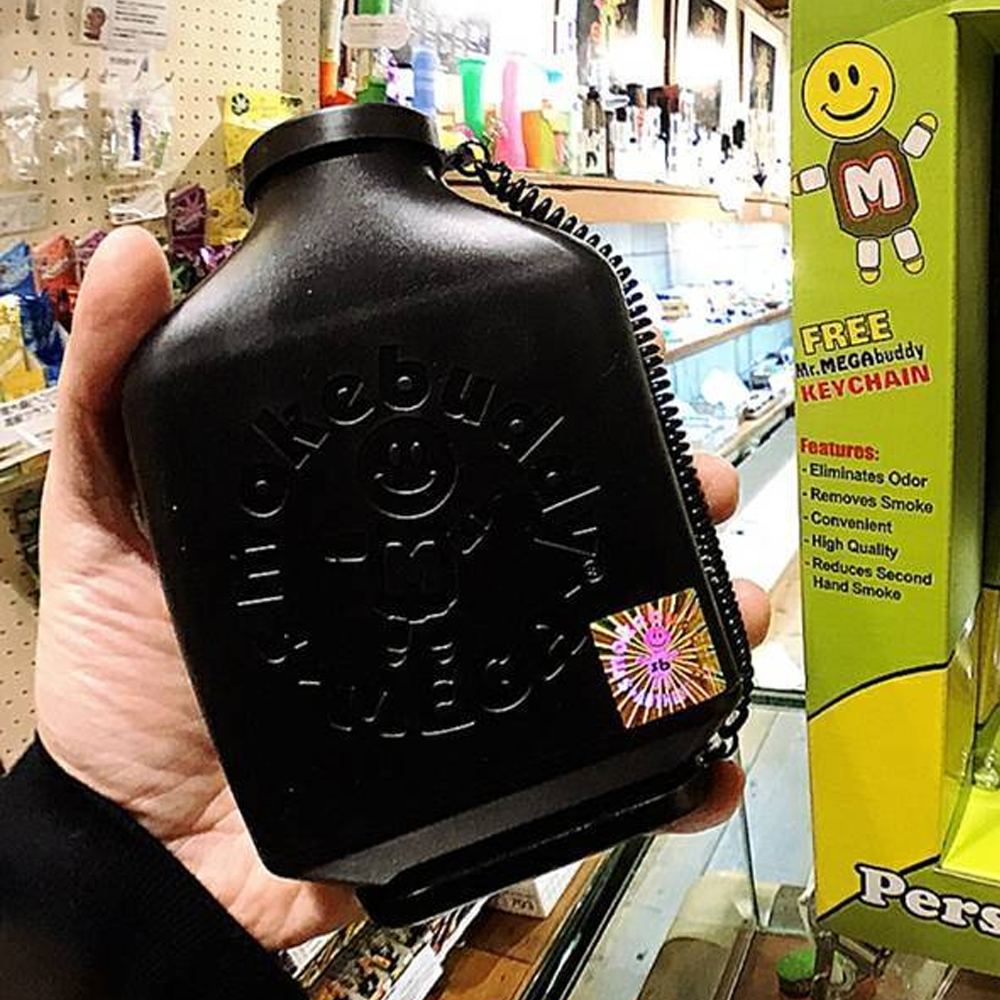
Activated carbon is not the same thing as charcoal from a grill or fireplace ash. It is a specially processed form of carbon that has been treated, usually with steam or chemicals, to create an enormous network of microscopic pores throughout its structure.
That pore network within an activated carbon personal air filter is the key. It gives activated carbon a surface area that is almost impossible to visualize at human scale. A single gram of activated carbon can have a total internal surface area of 1,000 to 3,000 square meters, depending on how it was processed.
That surface area of the activated carbon personal air filter is not just structural. Every part of that internal surface is chemically active and available to interact with molecules that pass through it. When air carrying odor compounds flows through activated carbon, those molecules contact the surface and bond to it through a process called adsorption.
The odor compounds do not pass through the activated carbon personal air filter. They stay on the carbon surface, and the air that continues through the material carries significantly less of them. This is the fundamental mechanism behind every activated carbon personal air filter on the market.
How Activated Carbon Is Made
The raw materials for activated carbon personal air filters include coconut shells, wood, coal, and other carbon-rich organic substances. Each starting material produces activated carbon with slightly different pore structures and surface characteristics, which affects which types of compounds it captures most efficiently.
Coconut shell activated carbon, for example, tends to have a high proportion of small micropores that are particularly effective at capturing smaller volatile organic compound molecules, which are the primary contributors to smoke odor.
The activation process itself, whether steam activation or chemical activation, is what converts a dense carbon material into the highly porous structure that gives the activated carbon personal air filter its filtration properties. Steam activation involves heating the raw carbon material to very high temperatures in the presence of steam, which burns away material and opens up the pore network.
The result is a lightweight, granular or powdered material with a surface area that is orders of magnitude larger than the raw material it was made from. That transformation is why activated carbon performs in ways that untreated carbon or other common materials simply cannot replicate.
The Difference Between Adsorption and Absorption
The distinction between adsorption and absorption comes up often in discussions of activated carbon personal air filters, and it is worth being clear on what the difference means in practice. Absorption is what a sponge does.
It soaks liquid or gas compounds into its volume, and those compounds can be squeezed back out or released when conditions change. Adsorption is different. The molecules bond to the surface of the activated carbon through physical and chemical forces, and they stay there rather than being released back into the airflow.
This distinction matters for an activated carbon personal air filter because it means the odor compounds captured by the carbon are genuinely removed from the exhaled air rather than temporarily held and potentially re-released. A dryer sheet, by contrast, works through absorption and masking.
It can hold some odor compounds temporarily, but it also releases its own fragrance compounds into the air to cover what it has not captured. An activated carbon personal air filter does not release competing fragrances. It removes what bonds to it and holds it there until the carbon’s surface capacity is used up.
Why Activated Carbon Works Better Than Common Alternatives
The personal air filter category includes products built with different filtering materials, and the performance differences between them are real. Activated carbon consistently outperforms the alternatives for smoke odor removal, and the reasons come down to how the chemistry of adsorption compares to what other materials are doing.
Dryer sheets are the most common alternative found in DIY sploofs and some low-cost products. They contain fragrance compounds that mask odors and some surfactant chemistry that interacts with certain smoke particles. The odor masking is temporary and inconsistent.
As the fragrance compounds in the dryer sheets exhaust themselves and as the sheets absorb moisture from repeated exhales, their masking ability decreases quickly. Personal air filters built around dryer sheet-style materials degrade in performance much faster than activated carbon based products.
How Zeolites Compare to Activated Carbon
Zeolites are another material sometimes used in air filtration products. They are naturally occurring or synthetic aluminosilicate minerals with their own porous structure and ion-exchange properties. Zeolites can capture some odor compounds effectively, particularly ammonia-based compounds, and they are used in industrial filtration for specific applications.
In the context of a filter for smoking, however, zeolites do not capture the full range of volatile organic compounds present in smoke as efficiently as activated carbon does across the board.
The pore structure of zeolites is more uniform and less varied than activated carbon, which limits the range of molecular sizes and types they can capture. Activated carbon has a more diverse pore network, including micropores, mesopores, and macropores, that allows it to interact with a broader range of compound types and sizes.
For smoke odor, which is a complex mixture of many different volatile compounds, that versatility gives activated carbon a consistent advantage over more specialized filtration materials.
Choosing an Activated Carbon Personal Air Filter
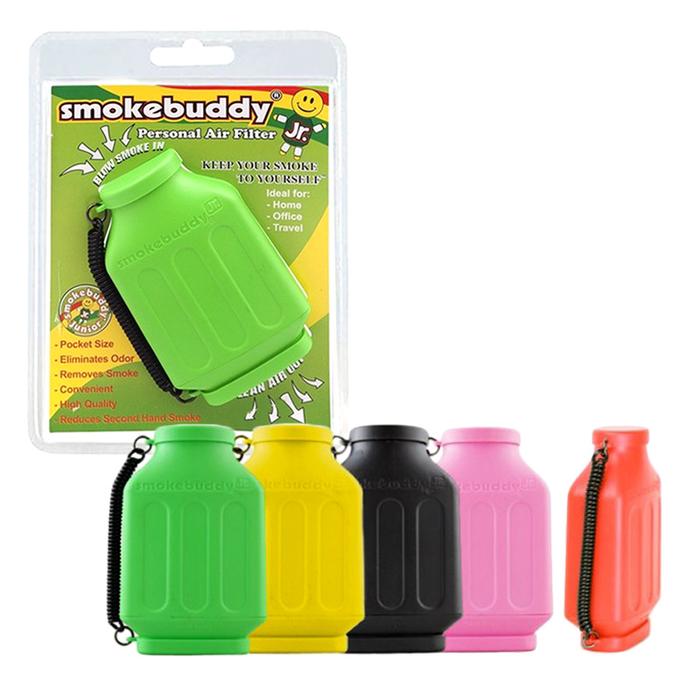
The market for personal air filters includes products at a wide range of price points and quality levels, and activated carbon content alone does not tell the whole story. Several factors beyond just the presence of activated carbon affect how well a product performs and how long it lasts.
The quantity of activated carbon in the filter is a primary factor. More carbon means more total surface area available for adsorption, which translates to both better per-exhale performance and a longer lifespan before saturation. Products that are transparent about the amount of activated carbon in their filter are easier to evaluate than those that list it as an ingredient without further specification.
A paper based filter that uses a thin layer of activated carbon-treated paper will have less total adsorption capacity than a filter housing a substantial bed of granular activated carbon, even if both technically contain the same material.
Size Categories and Their Practical Implications
Activated carbon personal air filters come in compact, standard, and large formats, and the size correlates directly with how much activated carbon is inside and how long the filter will last. Compact filters are rated for fewer uses because they contain less carbon. Standard filters last longer.
Large-format activated carbon personal air filters are designed for heavy or group use and contain the most carbon per unit. Matching filter size to actual usage frequency is the most practical approach. A frequent daily user who buys compact filters will replace them far more often than necessary compared to choosing a standard size from the start.
The physical size of the activated carbon personal air filter also affects portability and convenience. Compact filters are pocket-friendly and discreet. Standard filters are the balance point between performance and convenience. Large filters are not designed for portability but are the right choice for stationary heavy use.
Understanding the trade-offs in each size category of activated carbon personal air filters makes it easier to choose the right product for the actual situation rather than defaulting to whatever is most prominent on a shelf.
Final Thoughts
Activated carbon is the material that separates a functional personal air filter from a device that creates the impression of filtering without doing the actual work. Its combination of enormous surface area, chemical adsorption properties, and versatility across the range of volatile compounds in smoke makes it the standard by which other filter materials are measured.
Products built around activated carbon consistently outperform those built around masking agents, fragrance materials, or filtration media that address particles but not odor gases.
Understanding the role of activated carbon in a personal air filter takes the guesswork out of product selection. The material is well-understood, its performance characteristics are documented, and the factors that affect how long it lasts and how well it works are knowable.
That information is worth having before making a purchase in a category where the difference between products matters in practical, session-by-session terms.
FAQs
Why is activated carbon used in personal air filters instead of other materials?
Activated carbon is used in personal air filters because it removes odor-causing volatile organic compounds from the exhaled airflow through adsorption, which is a chemical bonding process that permanently captures those compounds rather than masking them.
How does activated carbon adsorb odors and what makes it stop working?
Activated carbon captures odor molecules through adsorption, where volatile compounds in the exhaled air bond to the chemical surface sites distributed throughout the carbon’s pore network. Each bond uses up one surface site.
Does the amount of activated carbon in a filter affect performance?
Yes, the quantity of activated carbon personal air filter directly affects both per-session filtration performance and overall lifespan. A filter containing more activated carbon has a larger total surface area available for adsorption, which means it captures more odor per exhale and maintains that performance through more sessions before saturation.
Can activated carbon filters be recharged or refreshed for continued use?
In industrial and laboratory settings, activated carbon can be regenerated through heat treatment that drives off adsorbed compounds and restores surface sites. This process requires temperatures and equipment that are not practical at the consumer level.
How can someone tell when an activated carbon personal air filter needs to be replaced?
Two clear signs indicate that an activated carbon personal air filter has reached the end of its useful lifespan. The first is increased physical resistance when exhaling through the filter. A filter that was easy to exhale through when new but now requires noticeably more effort indicates that the internal carbon and particulate load has built up enough to restrict airflow.