

Smoking indoors without drawing attention, triggering alarms, or leaving a smell that lasts for days takes more than just cracking a window. Whether you’re renting an apartment, sharing a space with roommates, or simply trying to keep things low-key at home, knowing the right discreet smoking tips can make all the difference between a relaxing session and an awkward situation.
This guide covers the best ways to reduce smoke, manage odor, choose the right gear, and reset your space quickly after a session. Every tip here is practical and easy to follow, so by the end, you know what actually works.
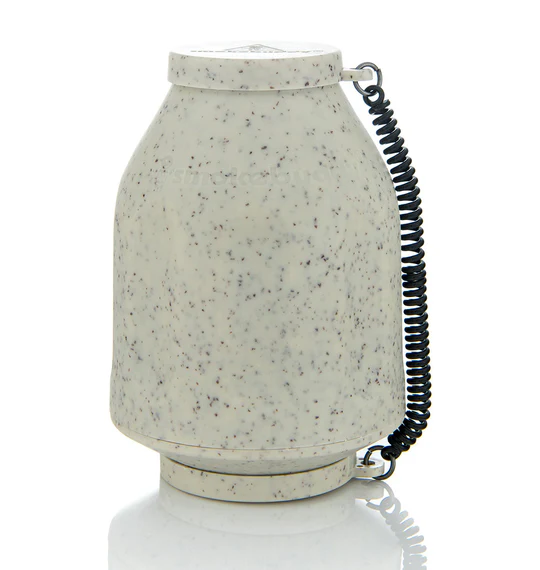
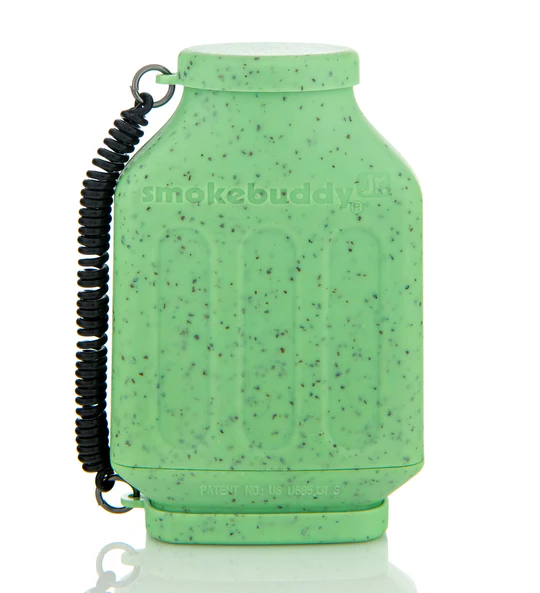
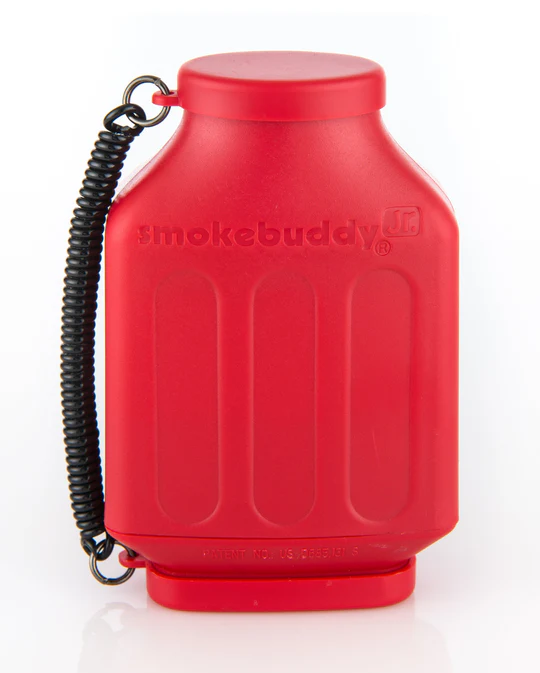
To put some of these tips into practice, you may want a few tools to make the process easier. You can easily obtain these tools from Smokebuddy, a brand known for helping users reduce indoor smoke and odor. Use the code SLY25 to snag yourself a 25% discount when ordering from them today.
Pick the Right Spot for Discreet Smoking Indoors
Location is your first line of defense. The room you choose sets the tone for your entire session. It determines how well the smoke moves, how easily the smell escapes, and how quickly your space returns to normal.
Rooms That Work in Your Favor
The bathroom is one of the best spots for a discreet indoor session. It usually has an exhaust fan built right in, a door that seals fairly well, and hard surfaces that don’t hold onto smells the way carpet and fabric do. Run the exhaust fan during and after your session, and you’ve already done most of the heavy lifting.
Rooms near windows you can fully open are also solid choices, especially when the wind is blowing outward. Laundry rooms work well too; the combination of ventilation, hard floors, and the natural masking smell of detergent makes them surprisingly effective.
Spots to Avoid
Carpeted rooms are a challenge. Carpet absorbs odors quickly and releases them slowly, making post-session cleanup much harder. Closets might seem like a smart idea, but most have zero airflow, which means smoke just sits and builds. The smell that builds up will be noticeable as soon as you open the door.
Control the Smell Before It Spreads
Smell control is where most indoor sessions either go smoothly or fall apart. The goal is simple: neutralize odors at the source rather than trying to cover them up after the fact.
The Sploof Method
A sploof is one of the most commonly used odor-control tools because it helps reduce visible smoke and smell. The basic idea is to exhale smoke through a filter that neutralizes the smell before it hits the air.
DIY versions are made with a cardboard tube stuffed with dryer sheets, and while they’re not perfect, they cut the odor noticeably. Personal air filters are also a major upgrade since they use activated carbon to trap and eliminate smoke particles rather than just masking them.
What Actually Neutralizes Odors
Regular air fresheners mostly layer fragrance on top of the smoke smells. This can create a smell that is worse than either one on its own. Odor eliminators like Ozium work differently; they neutralize airborne particles rather than just covering them. Activated charcoal placed around the room also helps absorb residual smells passively over time.
Candles and incense can serve as secondary support, but they work best when used alongside proper ventilation, not instead of it. Time your odor control to run during your session, not as a cleanup tool after you’re done.
Manage Smoke at the Source With the Right Gear
The type of piece you use directly affects how much smoke escapes into the air. Choosing the right tool is one of the easiest indoor smoking tips to apply from day one.
Vaporizers Lead the Pack
Vaporizers produce the least visible smoke and the most manageable vapor of any option available. The vapor dissipates faster, lingers less, and generally produces a lighter odor than traditional smoking. For anyone serious about indoor discretion, a quality vape is often the single biggest upgrade they can make.
One-Hitters and Pipes vs. Joints
Joints and blunts burn continuously between hits, meaning smoke is always escaping into the air even when you’re not inhaling. One-hitters and pipes only produce smoke when you’re actively hitting them, and when you cap the bowl between hits, you cut down on sidestream smoke significantly. For discreet indoor use, pipes and one-hitters are a much smarter choice than rolled options.
Smaller Hits, Less Evidence
Slow, smaller hits produce less visible smoke than large ones. Taking your time between hits and exhaling through a personal air filter keeps each session tighter and cleaner. This is one of those discreet smoking tips that seems small but adds up fast over an entire session.
Ventilation: The Indoor Smoking Key That Ties Everything Together
Good ventilation does more work than any other single factor. It moves smoke out of your space before it has a chance to settle into surfaces and fabric.
Using Fans the Right Way
A fan pointed at a window, blowing air outward, is far more effective than a fan simply circulating air around the room. The goal is to create a flow that pulls air toward an exit point. Combine that with a door-bottom towel or rolled-up cloth to block smoke from drifting into other areas, and you’ve got a simple but effective setup.
Air Purifiers Worth Considering
A portable air purifier with both a HEPA filter and an activated carbon layer can handle the airborne particles and embedded odor that fans alone can’t handle. Models with PECO (Photoelectrochemical Oxidation) filter or plasma technology can offer a much stronger benefit. These purifiers run quietly in the background and make a real difference in spaces where windows aren’t always an option. Look for one rated for the square footage of your room.
The Bathroom Steam Trick
Running a hot shower while smoking in the bathroom creates steam that helps carry smoke particles toward the exhaust fan. It’s not a magic fix, but it adds a useful layer of cover when combined with an exhaust fan that’s actually running. Keep the door closed tight and let the fan run for at least ten minutes after you’re done.
Keep Your Gear and Hands Smell-Free
The smell that lingers on your hands, clothes, and gear can give away a session just as fast as the smoke itself. Discreet smoking tips don’t stop at ventilation; they extend to how you store and handle your stuff.
Smell-Proof Storage
Smell-proof bags and sealed cases are not just marketing; they genuinely contain odors when sealed properly. Storing your piece and supplies in one of these between sessions keeps the residual smell from permeating the room passively. Zipper-seal bags with an activated carbon lining are among the most effective options.
After-Session Hygiene
Washing your hands thoroughly after a session removes most of the residual smell from your skin. Washing your face and rinsing your hair when possible helps even more. Keeping a small bottle of unscented hand lotion or lotion nearby can mask the rest without adding another noticeable fragrance to the mix.
Time Your Sessions Smartly for Maximum Discretion
The best discreet smoking tips account for timing. When you smoke matters almost as much as how you smoke.
Best Windows of Opportunity
Sessions go more smoothly when others aren’t home, building hallways are quiet, and HVAC systems are running, because active airflow helps move odors through your ventilation system faster. Windy days are also ideal for window-based ventilation since the breeze naturally pulls air outward.
How Long Does Smell Actually Last?
In a well-ventilated hard-surface room, smell from a single session typically fades within 30 to 60 minutes. In a carpeted room with poor airflow, that same smell can linger for several hours or longer. With this, you can plan your post-session reset window accurately instead of guessing.
Your Quick Post-Session Reset
A solid reset routine takes under five minutes: open the window, turn on the exhaust or fan, hit the space with an odor eliminator spray, and store your gear in a sealed container. Running an air purifier for another 20 to 30 minutes afterward handles anything the other steps miss.
What Actually Triggers Smoke Detectors And How to Stay Safe
Understanding your smoke detector is one of the more overlooked discreet smoking tips, but it’s important both for practical and safety reasons.
Ionization vs. Photoelectric Detectors
Ionization detectors respond quickly to fast-flaming fires and are highly sensitive to smoke particles, including those from sessions. Photoelectric detectors are better at detecting slow, smoldering fires and tend to be slightly less reactive to lighter smoke. If your unit has both (dual-sensor), it’s more sensitive overall. Knowing which type you have helps you understand why some sessions trigger it and others don’t.
Airflow and Distance Are Your Tools
Keeping distance between your session and the detector, and ensuring smoke is directed away from it through proper airflow, reduces the chance of triggering it. Exhaling through a personal filter directly cuts down the amount of smoke that reaches the air in the first place, which is the most practical step you can take.
What You Should Never Do
Covering or removing a smoke detector is illegal in most jurisdictions and creates a genuine safety hazard. It’s not an indoor smoking tip; it’s a risk that’s not worth taking. Work with your ventilation setup and filter tools instead of disabling safety equipment.
Final Thoughts
Keeping an indoor session discreet comes down to three things: location, airflow, and the right gear. The tips in this guide aren’t complicated; they’re practical habits that work when used together. Pick the right room, manage smoke at the source, control smell before it spreads, and do a quick reset when you’re done.
Preparation always beats cleanup. The smokers who have the smoothest indoor sessions are the ones who think ahead, not the ones scrambling to deal with a room that smells like a problem. Get yourself a SmokeBuddy, build your routine around these tips, and stick to them.
FAQs
What are the most effective discreet smoking tips for apartment renters?
Smoke in a room with an exhaust fan, and use a personal air filter like the SmokeBuddy to eliminate smoke at the source, and keep your gear stored in a sealed, smell-proof container.
Does a sploof actually work for indoor sessions?
A sploof works, but the quality of the filter matters. DIY versions reduce odor noticeably but aren’t thorough. Personal air filters with activated carbon traps and eliminate smoke particles before they reach the air, making them worth the investment for regular indoor use.
How long does smoke smell last indoors after a session?
In a well-ventilated room with hard floors and surfaces, smell typically fades within 30 to 60 minutes. In carpeted, poorly ventilated rooms, it can linger for several hours.
What is the most discreet way to smoke indoors?
Vaporizers are consistently the most discreet option for indoor sessions. They produce vapor that dissipates faster, smells lighter, and leaves far less residue than traditional smoking. Paired with proper ventilation and a personal air filter, vaping indoors is about as low-profile as it gets without stepping outside.
Can smoke detectors be triggered by indoor smoking sessions?
Yes, ionization-type smoke detectors in particular are sensitive to smoke particles and can trigger during a session.