

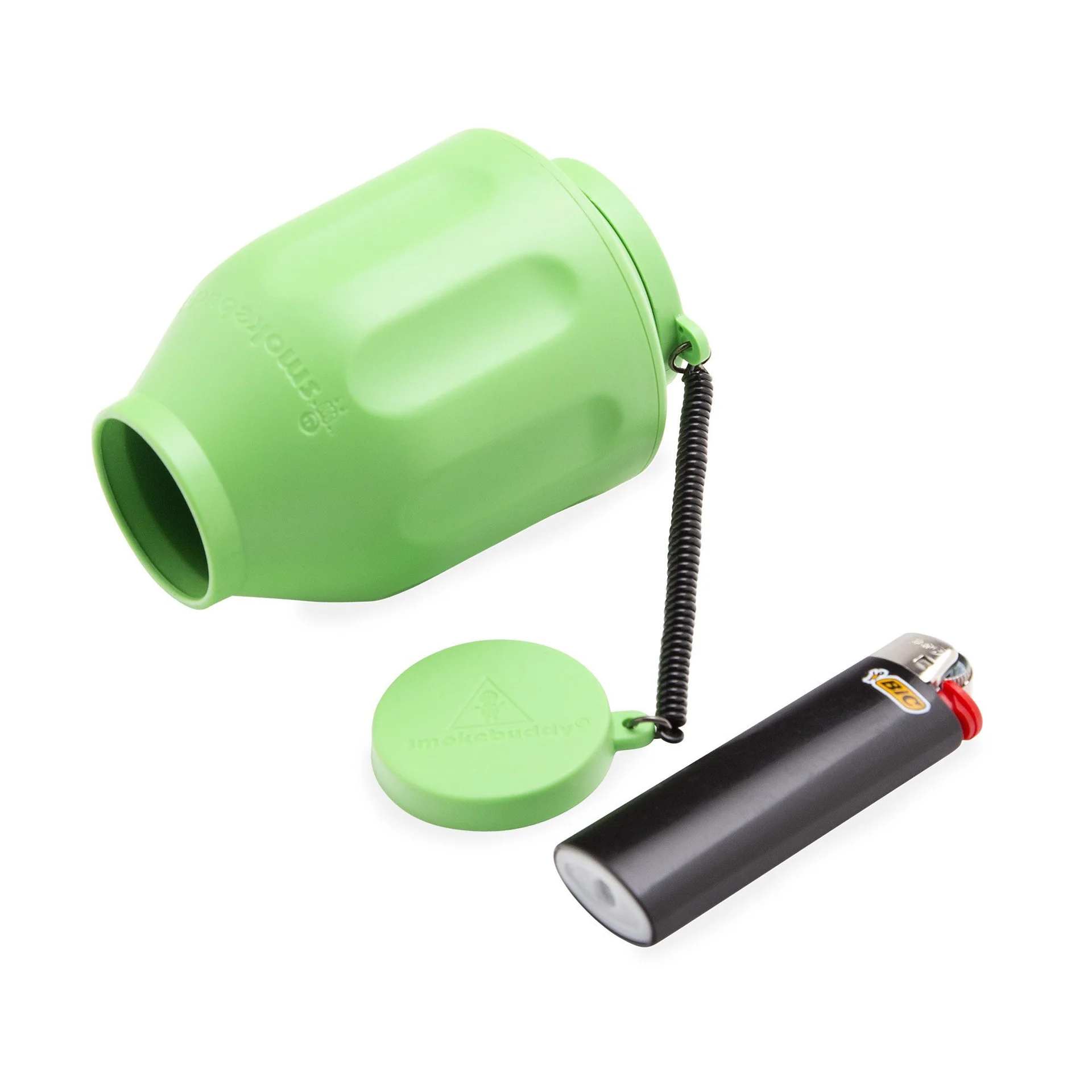
If you’re looking for a way to manage smoke smell while being mindful of the planet, getting green personal air filters has probably crossed your mind but you might be unsure of whether the “eco-friendly” label is real or just marketing.
The truth is, not all green personal air filters are created equal. Some use recycled materials and last for hundreds of uses. Others slap on a green label but end up in the trash after a few sessions.
Understanding what makes a filter actually eco-friendly helps you make better choices for your lifestyle and values.
In this guide, we’ll break down what green personal air filters are, why people choose them, what eco-friendly really means in this context, and how to spot the filters that actually work.
If you’ve been thinking about getting green personal air filters, now might be the best time. Smokebuddy is currently running a slashed sale. With the code SLY25, you can get 25% off on your next purchase.
What Is a Green Personal Air Filter?
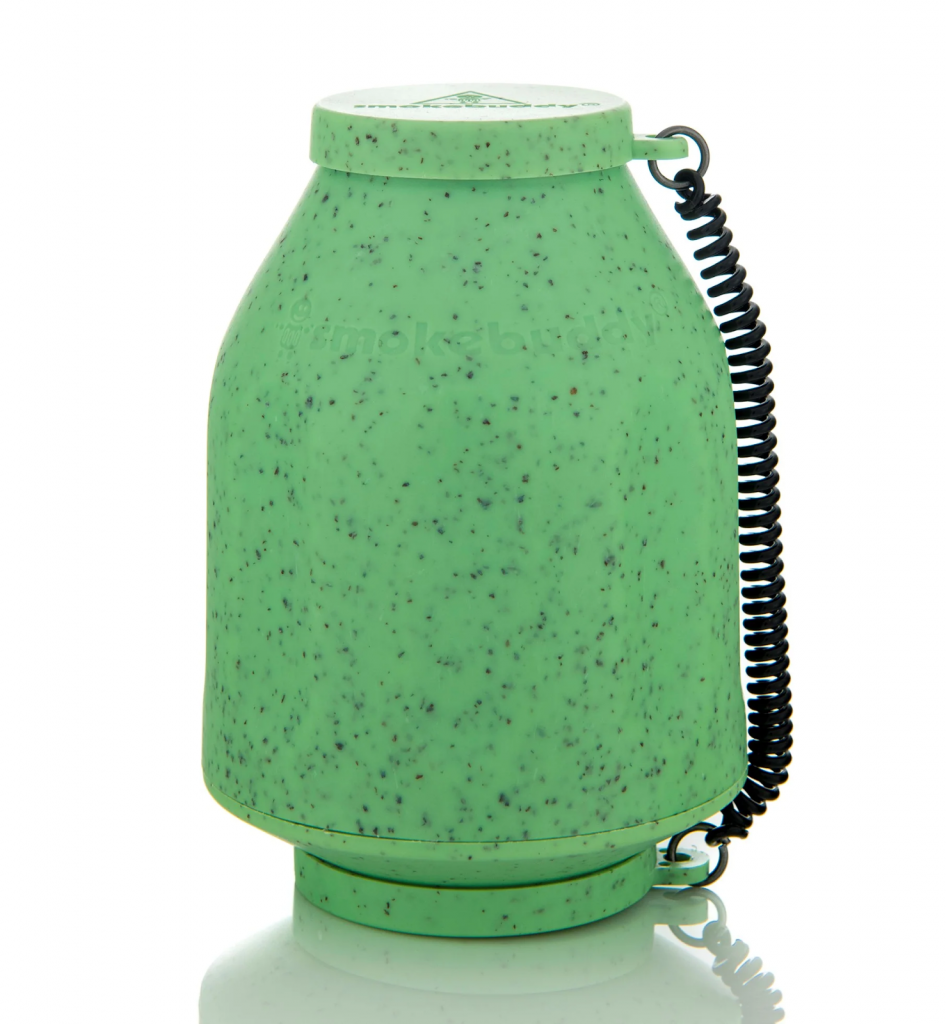
A green personal air filter is a handheld device designed to reduce smoke and odor when smoking indoors. You exhale through it, and the filter traps smoke particles before they spread into the room. It’s one of the best filters for smoking.
The “green” part means it’s made with environmental considerations in mind; think recycled plastics, plant-based materials, or reusable designs.
Let’s clear up some common confusion.
- A green personal air filter is not the same as an air freshener or room spray. Those products mask smells with fragrance. A green personal air filter actually catches smoke particles as you exhale, which means less odor floating around in the first place.
- It’s also different from electric air purifiers. Those machines clean the air in an entire room over time. A green personal air filter works right at the source (your mouth), and requires no electricity or batteries. It’s portable, quiet, and doesn’t need an outlet.
Why People Search for Green Personal Air Filters
People have different reasons for choosing a green personal air filter, and most of them are practical. Here are the real motivations:
Reducing smell is at the top of the list
Smoke odor clings to furniture, curtains, and clothes. A green personal air filter traps particles before they settle, which means less lingering smell after smoking sessions.
Being discreet matters to many users
Whether you live with roommates, family, or in an apartment building, a green personal air filter helps keep smoke contained. It’s about being considerate of the people around you without having to smoke outside in bad weather.
Caring about waste drives some buyers toward buying green personal air filters
If you’re already trying to reduce single-use plastics or buy products that last longer, choosing a reusable filter makes sense. It aligns with values you already hold.
Wanting a cleaner option is another common reason
Some people prefer natural materials over synthetic ones or want to avoid adding chemical fragrances to the air they breathe. Green personal air filters offer a straightforward solution without extra additives.
What “Green” Means in a Green Personal Air Filter
The word “eco-friendly” gets thrown around a lot, so let’s define what it actually means for a green personal air filter.
Materials are the starting point
A green personal air filter might use recycled plastics for the outer casing instead of brand-new petroleum-based plastic. The filtering material itself often comes from natural sources like coconut shells processed into activated charcoal. These choices reduce reliance on virgin materials and lower the environmental footprint.
How it’s made matters too
Some companies prioritize manufacturing processes that use less energy or produce less waste. This isn’t always obvious from the packaging, but responsible brands will mention it.
What happens after use is the final piece. A truly green personal air filter is either reusable for hundreds of sessions or made from materials that can be recycled or composted. Disposable filters that end up in landfills after a few uses don’t really qualify as eco-friendly, no matter what the marketing says.
The key is looking beyond buzzwords. A green personal air filter should have specific details about materials, longevity, and end-of-life options. Vague claims without backup aren’t enough.
Materials Used in a Green Personal Air Filter
Understanding the materials helps you evaluate whether a green personal air filter lives up to its eco-friendly claims. Here are the most common ones:
Recycled plastics show up in the body or casing of many green personal air filters
Instead of using new plastic made from oil, manufacturers use post-consumer recycled materials. This reduces waste and energy compared to making plastic from scratch.
Plant-based parts are another feature
Some personal air filters incorporate bioplastics made from corn starch or sugarcane instead of petroleum. Others use natural fibers in the filter layers. These materials are renewable and often biodegradable.
Charcoal, specifically activated charcoal from coconut shells, is the workhorse in most green personal air filters
Coconut shells are a byproduct of coconut processing, so using them for charcoal makes sense from a sustainability angle. The activation process creates millions of tiny pores that trap smoke particles and absorb odors.
Users care about these materials for different reasons
Some want to reduce plastic waste. Others prefer natural materials for health or environmental reasons. A green personal air filter that clearly states its material composition makes it easier to align your purchase with your values.
How a Green Personal Air Filter Handles Smoke and Odor
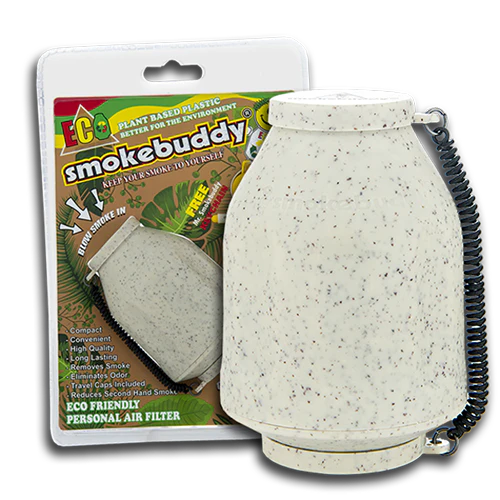
Let’s talk about how a green personal air filter actually works without getting into complicated science.
When you exhale smoke through a green personal air filter, the smoke passes through layers of filtering material. Activated charcoal is usually the main player here. As smoke moves through the charcoal, particles get trapped in those millions of tiny pores we mentioned earlier.
The charcoal also absorbs odor-causing compounds. Smoke isn’t just visible particles; it’s also gases that carry that distinctive smell. Activated charcoal grabs onto these gases, which means less odor escapes into your space.
Some green personal air filters add extra layers made from natural fibers or mesh. These catch larger particles and add another level of filtration. The combination of materials makes the filter more effective than any single layer would be on its own.
The result: When you use a green personal air filter correctly, most of the smoke you exhale gets trapped instead of floating around the room. You’ll notice less visible smoke and less smell sticking to your clothes and furniture.
Disposable vs Reusable Green Personal Air Filters
This is where the “green” aspect really gets tested. Not all green personal air filters are equally eco-friendly, and the disposable versus reusable debate highlights the difference.
Disposable green personal air filters
These are designed for short-term use, maybe a handful of sessions before you toss them. Even if they’re made from plant-based materials, they still create waste. Some can be composted if you have access to industrial composting facilities, but many end up in regular trash.
Reusable green personal air filters
These are built to last. Quality models can handle 300 to 600 uses before needing replacement. Some have replaceable filter inserts, which means you keep the main body and just swap out the charcoal. This approach generates far less waste over time.
Takeaways on Disposable vs Reusable Green Personal Air Filters
Waste-wise, reusable wins hands down
One reusable green personal air filter replaces dozens or even hundreds of disposable ones. The upfront cost is higher, but the environmental impact is much lower.
Lifespan matters for your budget too
If you smoke regularly, buying disposable filters adds up fast. A reusable green personal air filter costs more initially but pays for itself after a few months of use.
Convenience is where disposables might seem appealing
No cleaning or maintenance is required. But reusable green personal air filters aren’t complicated to care for. Most just need a quick tap-out or rinse occasionally. That small effort translates to big waste reduction.
What a Green Personal Air Filter Does Not Do
Let’s set honest expectations. A green personal air filter is useful, but it’s not a miracle device.
It does not make indoor smoking risk-free
Smoke still contains harmful compounds, and a green personal air filter doesn’t eliminate health risks. It reduces smoke and odor, but it’s not a health product.
It does not clean the air in your room
A green personal air filter works on the smoke you exhale directly through it. Any smoke that escapes from the burning end or from not exhaling fully through the filter still goes into the room. It’s not the same as running an air purifier for smokers.
It does not remove 100% of smoke particles or odor
Even the best green personal air filter lets some smoke through. It’s a reduction tool, not an elimination tool.
It does not replace good ventilation
Opening a window or using a fan alongside a green personal air filter gives much better results than using the filter alone.
Understanding these limitations helps you use green personal air filters effectively and avoid disappointment. It’s a tool that improves your situation, not a complete solution.
How to Spot a Truly Green Personal Air Filter
Shopping for a green personal air filter means cutting through marketing to find products that deliver on their eco-friendly promises. Here are simple signs to look for:
Check the materials list
A genuine green personal air filter will clearly state what it’s made from. Look for specifics like “recycled post-consumer plastic” or “activated charcoal from coconut shells,” not vague terms like “eco-materials.”
Look for reusability claims with numbers
If a green personal air filter says it’s reusable, it should tell you roughly how many uses to expect. Products that avoid giving numbers might not last as long as you hope.
Read about replaceable parts
A green personal air filter that offers replacement inserts is better for the environment than one you throw away entirely when it’s done. Check whether replacement parts are available and affordable.
Watch for certifications or transparency
Some green personal air filters mention third-party testing or certifications for materials. Others share information about their manufacturing process. Companies that are truly eco-conscious tend to be open about their practices.
Avoid greenwashing red flags
If a product just slaps “green” or “eco” on the label without explaining why, be skeptical. A real green personal air filter backs up its claims with details.
Are Green Personal Air Filters Worth Buying?
Whether a green personal air filter makes sense depends on your lifestyle and values. Here’s how to decide:
- If you smoke indoors regularly and want to reduce odor, a green personal air filter is worth considering. The more often you use it, the more value you get, especially from a reusable model.
- If reducing waste matters to you, choosing a reusable green personal air filter aligns with that goal. It’s a small change that adds up over time, especially compared to disposable alternatives.
- If you prefer natural materials and simple solutions, a green personal air filter fits that preference. No electricity, no synthetic fragrances, just straightforward filtration with plant-based components.
- On the flip side, if you only smoke occasionally, a green personal air filter might be more than you need. Opening a window or stepping outside could be simpler and cheaper.
- If you’re looking for whole-room air cleaning or maximum smoke removal, a green personal air filter won’t deliver that. An electric air purifier or outdoor smoking would be better options.
- If you’re looking for something you can take out conveniently, consider getting an eco-friendly portable air filter for smoking.
Think about frequency of use, your environmental priorities, and what results you actually need. A green personal air filter works best for people who want a portable, eco-conscious way to manage smoke and smell without complicated setups.
Final Thoughts
Green personal air filters offer a practical middle ground between doing nothing about the smoke smell and investing in expensive electric purifiers. When you choose one made with recycled or plant-based materials and designed for reuse, you’re making a choice that’s better for the environment without sacrificing convenience.
The key is cutting through marketing hype and understanding what “green” actually means. Look for specific material claims, check how long the filter lasts, and prioritize reusable options over disposable ones. A genuine green personal air filter backs up its eco-friendly label with transparency and durability.
FAQs
What makes a green personal air filter different from a regular one?
A green personal air filter uses eco-friendly materials like recycled plastics or plant-based components and is designed to reduce environmental impact. Regular filters might work the same way but use virgin plastics or single-use designs that create more waste. The difference is in the materials, manufacturing process, and whether the filter is built for reuse or disposal.
Can I recycle or compost my green personal air filter?
It depends on the specific product. Some green personal air filters made from certain bioplastics can be composted in industrial facilities, but not in home compost bins. Others with recycled plastic casings can be recycled if your local facility accepts that type of plastic. Always check the manufacturer’s instructions. Reusable filters that last hundreds of uses are the most eco-friendly option since they delay the need for disposal altogether.
How long does a reusable green personal air filter last?
Most quality reusable green personal air filters last between 300 and 600 uses before the filtering material needs replacement. Some models have replaceable inserts, so you keep the outer casing and just swap the charcoal filter. Lifespan varies based on how heavily you smoke and how well you maintain the filter, but even at the low end, a reusable filter replaces dozens of disposable ones.
Are green personal air filters more expensive than regular ones?
Reusable green personal air filters typically cost more upfront than disposable options, but they save money over time. If you use your filter regularly, the per-use cost drops significantly compared to buying disposables repeatedly. Eco-friendly materials and better construction add to the initial price, but the longer lifespan and reduced waste make them a better value for frequent users.
Do green personal air filters work as well as non-eco versions?
Yes, a well-made green personal air filter performs just as effectively as non-eco versions. The filtering mechanism, usually activated charcoal, works the same regardless of whether the outer casing is made from recycled or virgin plastic. The eco-friendly aspect is about materials and sustainability, not reduced performance. Quality matters more than whether something is labeled “green,” so focus on products with good reviews and clear specifications.