

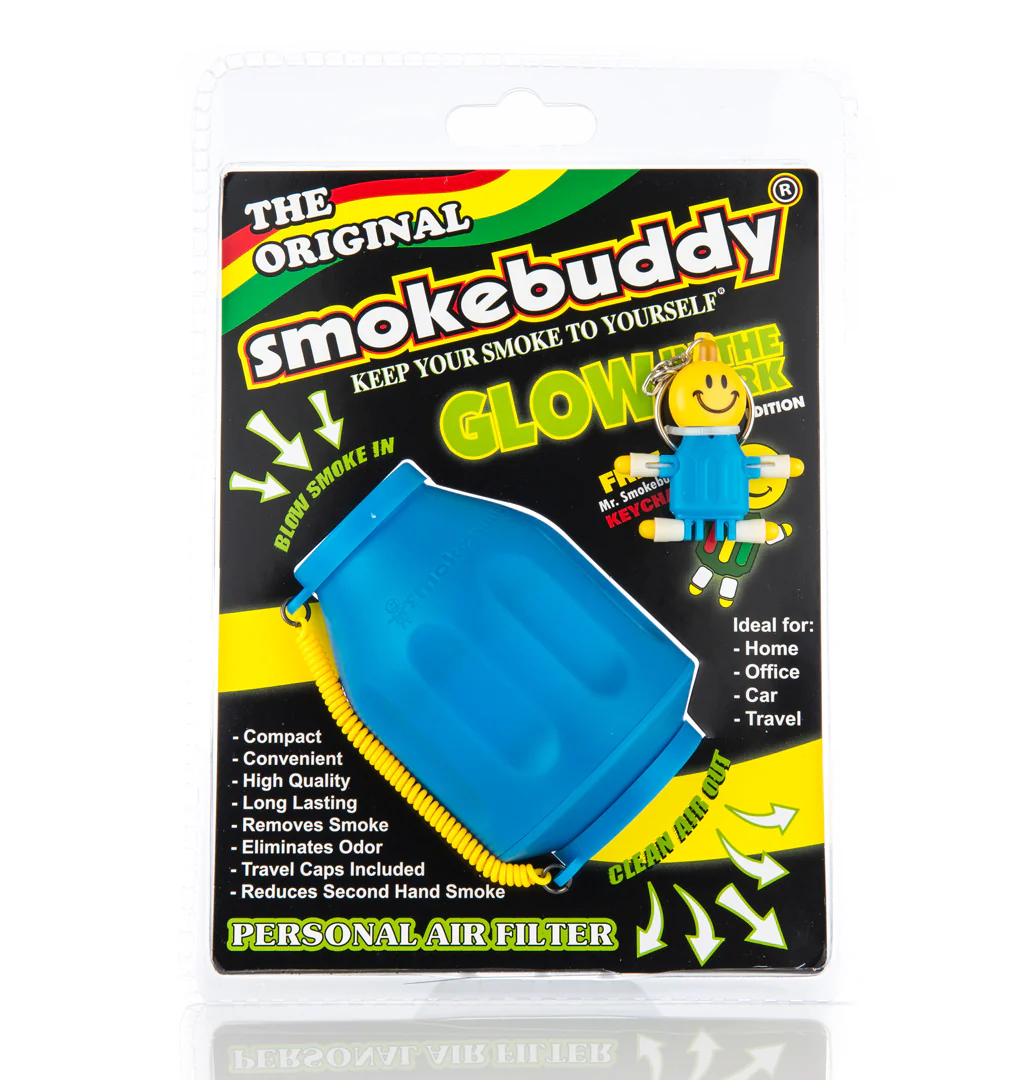
Indoor smoke reduction becomes difficult when airflow options are limited. Many indoor spaces do not allow windows to stay open or fans to run continuously. Apartments, shared housing, vehicles, and temporary living spaces often restrict ventilation due to weather, building rules, or privacy concerns. In these environments, smoke accumulates quickly and odor becomes persistent.
Smoke does not behave passively indoors. Once released, particles spread through the air, attach to surfaces, and remain present long after the session ends. Ventilation helps dilute smoke, but it does not stop particles from entering the space. Indoor smoke reduction techniques that operate without ventilation focus on limiting smoke release rather than clearing it afterward.
Indoor smoke reduction without airflow requires a combination of source control, filtration, and behavioral adjustments. These methods focus on preventing smoke from spreading, minimizing particle buildup, and reducing long-term odor retention.
For smoke lovers who value fresh air, Smokebuddy brings a smart solution with their eco-conscious paper personal air filters. They’re easy to use and help keep things clean. Apply SLY25 for 25% off your order.
Understanding How Smoke Accumulates Indoors

Smoke consists of fine particles and gases that remain airborne for extended periods. In enclosed spaces, these particles circulate and settle on fabrics, walls, and furniture. Over time, repeated exposure leads to buildup that becomes difficult to remove.
Without ventilation, smoke has no natural exit. It continues to recirculate until particles settle or are absorbed by surfaces. This process explains why indoor smoke odor lingers even after visible smoke disappears.
Indoor smoke reduction without ventilation requires addressing smoke at its point of release. Preventing smoke from dispersing is more effective than attempting to clean air after contamination occurs.
Particle Behavior in Enclosed Spaces
Smoke particles vary in size. Larger particles fall quickly, while smaller particles remain airborne longer. These smaller particles carry odor-causing compounds and travel deeper into indoor environments.
Once airborne, particles collide with surfaces and embed into porous materials. This creates long-term odor sources that re-release smell over time. Reducing airborne particle concentration directly limits this process.
Source-level indoor smoke reduction interrupts particle spread before it begins.
Why Ventilation Alone Falls Short Indoors
Ventilation dilutes smoke but does not prevent contamination. Smoke still enters the space and interacts with surfaces before being cleared. In buildings with shared airflow systems, ventilation can even spread smoke beyond the original room.
Indoor smoke reduction methods that do not rely on ventilation avoid these issues by limiting smoke release entirely. This approach reduces dependency on airflow conditions that may be unpredictable or unavailable.
Source-Level Smoke Control Techniques
Source-level smoke control focuses on managing smoke before it disperses into the room. This approach treats smoke as a localized output rather than an environmental problem.
One of the most effective tools for this purpose is personal air filters. These devices capture exhaled smoke directly, preventing it from entering the surrounding air.
By treating smoke at the source, overall indoor air contamination is reduced. This leads to less odor buildup and lower surface residue over time.
Managing Exhaled Smoke Directly
Exhaled smoke contains the highest concentration of odor and particles. Filtering smoke at this stage limits the volume released into the room.
A properly designed filter for smoking routes exhaled air through internal filtration layers that trap particles and bind odor compounds. This process significantly reduces the amount of smoke entering the environment.
Direct exhale control is especially useful in spaces where ventilation cannot be adjusted.
Consistency and Technique Matter
Source-level smoke control depends on consistent use. Smoke that bypasses filtration still contributes to indoor buildup. Controlled airflow through the filter improves effectiveness and extends filter lifespan.
Even airflow prevents saturation in one area of the filter and ensures consistent performance over time.
Filtration-Based Indoor Smoke Reduction
Filtration removes smoke particles and odor compounds from the air. While room purifiers treat ambient air, source-level filtration targets smoke before it spreads.
A smoke filter designed for personal use handles a small, concentrated airflow stream. This makes it more efficient than room-based systems in enclosed spaces.
Filtration-based smoke reduction works best when applied before smoke disperses throughout the room.
Adsorptive Filtration for Odor Control
Odor control relies on adsorption. Adsorptive materials attract and bind volatile compounds responsible for smoke smell. Once bound, these compounds do not easily return to the air.
Filters that incorporate adsorptive layers reduce odor persistence. Over time, this leads to cleaner indoor air without relying on ventilation.
Mechanical Filtration for Particle Capture
Mechanical filtration traps particles using dense fibrous structures. Smoke particles collide with fibers and become trapped, preventing further spread.
This particle capture reduces visible haze and limits surface contamination. Combining mechanical and adsorptive filtration addresses both smoke visibility and odor.
Material Choices That Support Indoor Smoke Reduction
Filtration materials influence effectiveness, airflow, and lifespan. Different materials offer trade-offs between performance and sustainability.
An eco friendly air filter focuses on reducing environmental impact while maintaining filtration efficiency. These designs appeal to users seeking lower waste without sacrificing smoke control.
Material density affects airflow resistance and saturation rate. Understanding these properties helps match filters to usage patterns.
Paper and Fiber-Based Filtration Materials
A paper based filter uses tightly packed fibers to trap smoke particles efficiently. These fibers create resistance paths that force particles to collide and adhere.
Paper and plant-derived fibers offer effective filtration with predictable airflow. They require mindful use to avoid early saturation but perform well for controlled indoor sessions.
Fiber-based materials also support recyclability and reduced environmental impact.
Saturation and Performance Decline
All filtration materials eventually saturate. As particles and odor compounds accumulate, airflow resistance increases and effectiveness declines.
Signs of saturation include increased exhale resistance and reduced odor control. Timely replacement ensures consistent indoor smoke reduction.
Behavioral Techniques That Reduce Indoor Smoke
Behavioral adjustments complement filtration-based smoke reduction. Small changes in session habits can significantly reduce smoke accumulation.
Spacing sessions allows airborne particles to settle and filtration systems to recover. Controlled exhale reduces moisture buildup and extends filter lifespan.
These techniques require no equipment changes and work alongside filtration tools.
Positioning and Surface Awareness
Smoke rises and spreads differently based on room layout. Avoiding soft furnishings reduces odor absorption. Hard surfaces are easier to clean and retain less odor.
Positioning near neutral surfaces limits long-term odor buildup.
Session Timing and Frequency
Frequent sessions in enclosed spaces increase cumulative smoke exposure. Allowing time between sessions reduces buildup and improves indoor air conditions.
Combining timing awareness with filtration maximizes indoor smoke reduction without ventilation.
Comparing Ventilation-Free Techniques to Traditional Methods
Traditional smoke control relies heavily on airflow. Fans, windows, and HVAC systems dilute smoke but do not prevent contamination.
Ventilation-free techniques focus on prevention rather than dilution. Source-level filtration, material selection, and behavior changes reduce smoke output directly.
This approach is more reliable in spaces where airflow cannot be controlled.
Why Masking Agents Are Ineffective
Sprays and candles add fragrance but do not remove smoke particles. Once the scent fades, smoke odor remains.
Filtration removes particles rather than covering them. This leads to longer-lasting results.
Room Purifiers Versus Source Control
Room purifiers clean ambient air after smoke disperses. Source control limits dispersion entirely.
Using a personal filter for smoking reduces the burden on room purifiers and minimizes reliance on ventilation systems.
Indoor Smoke Reduction in Specific Environments

Different environments present unique challenges. Indoor smoke reduction techniques must adapt accordingly.
Apartments, vehicles, and shared housing benefit most from ventilation-free methods due to limited airflow options.
Apartments and Shared Housing
Smoke travels through walls and vents. Reducing smoke at the source prevents migration into shared spaces.
Filtration-based techniques support cleaner shared environments without affecting others.
Vehicles and Enclosed Cabins
Vehicles trap smoke quickly. Filtering exhaled smoke before it fills the cabin reduces upholstery odor and air system contamination.
Compact filtration tools are well-suited for this environment.
Long-Term Benefits of Ventilation-Free Smoke Reduction
Consistent indoor smoke reduction leads to cleaner surfaces, reduced odor retention, and improved air comfort.
Over time, spaces require less deep cleaning and deodorizing. This lowers maintenance effort and preserves indoor materials.
Preventive approaches outperform reactive solutions in enclosed spaces.
Final Thoughts
Indoor smoke reduction without ventilation relies on prevention rather than correction. Managing smoke at the source limits particle spread and odor buildup before contamination occurs.
Filtration, material selection, and behavioral adjustments work together to maintain cleaner indoor environments. Understanding how smoke behaves indoors clarifies why ventilation-free techniques deliver consistent results.
FAQs
Can indoor smoke reduction work without ventilation?
Yes. Source-level filtration and behavioral techniques reduce smoke release without relying on airflow.
Are filtration-based methods effective long term?
Yes, when filters are replaced as needed and used consistently.
Do these techniques eliminate smoke odor completely?
They significantly reduce odor but may not remove it entirely in every setting.
Is ventilation still helpful?
Ventilation complements smoke reduction but is not required for effective source-level control.
Are these methods suitable for small spaces?
Yes. They are most effective in enclosed environments where ventilation is limited.