

Not all kratom is created equal. Walk into the wrong store without knowing what to look for, and you could end up with stale powder, mislabeled strains, or worse, a product that was never tested for safety. The kratom market has grown fast, and while that has brought more choices, it has also made it easier for low-quality products to slip through. Having a solid kratom quality checklist before you buy is no longer optional; it’s just smart shopping.
This guide breaks down exactly what a high-quality kratom product looks like. From lab reports and powder texture to transparency and pricing red flags, every item on this kratom quality checklist is here for a reason. Whether you’re buying for the first time or switching vendors, this list keeps you grounded and informed.
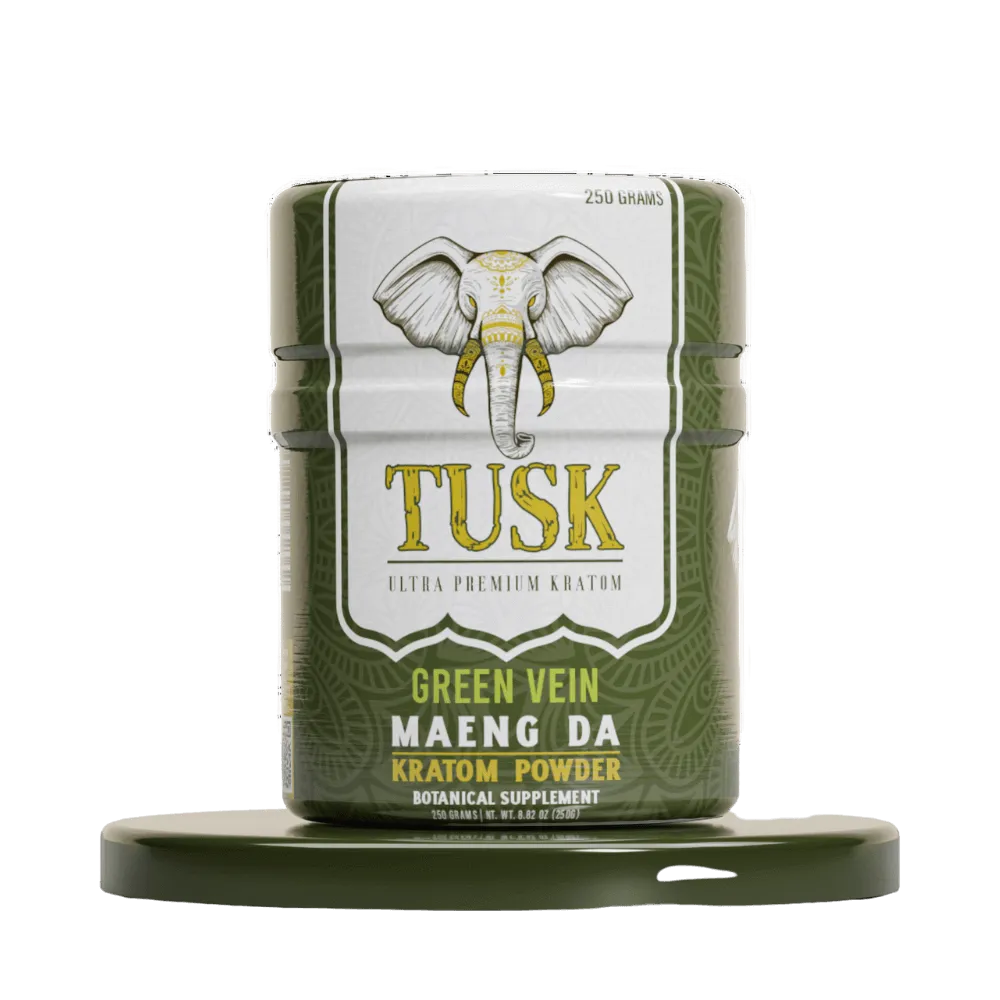
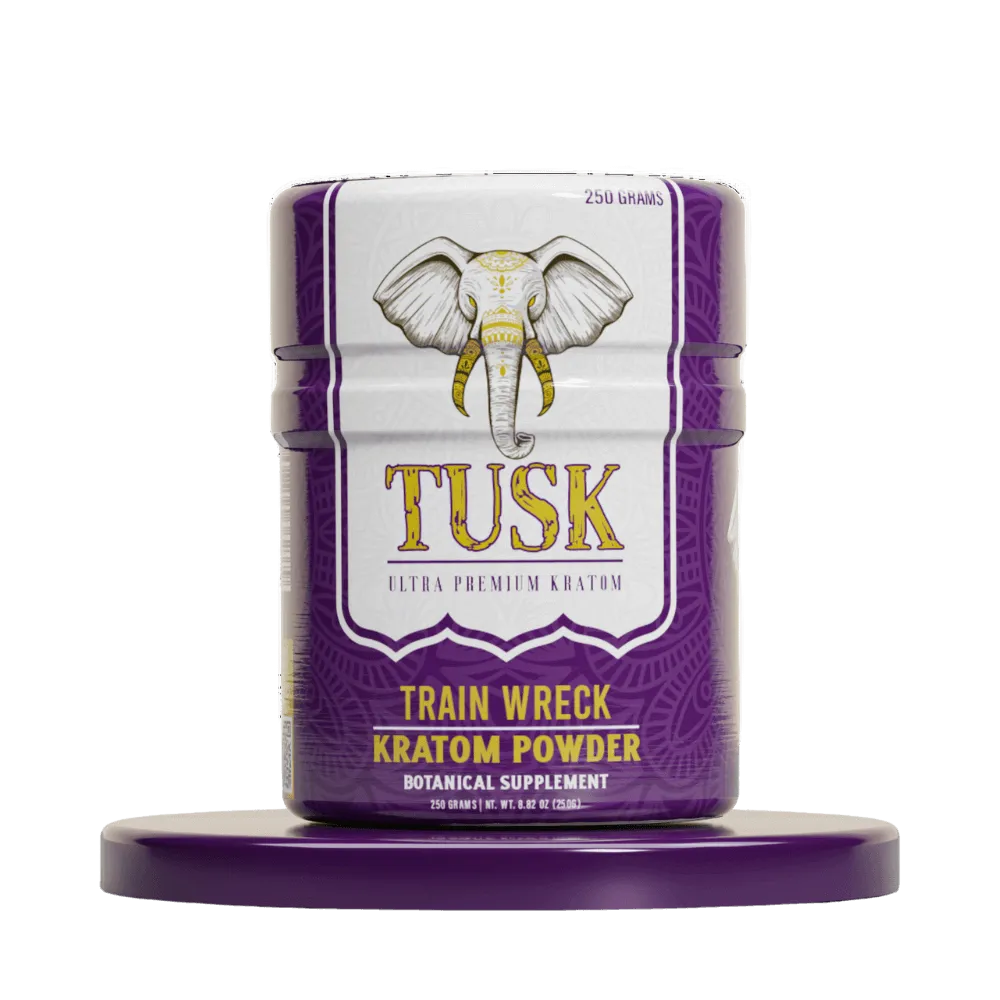
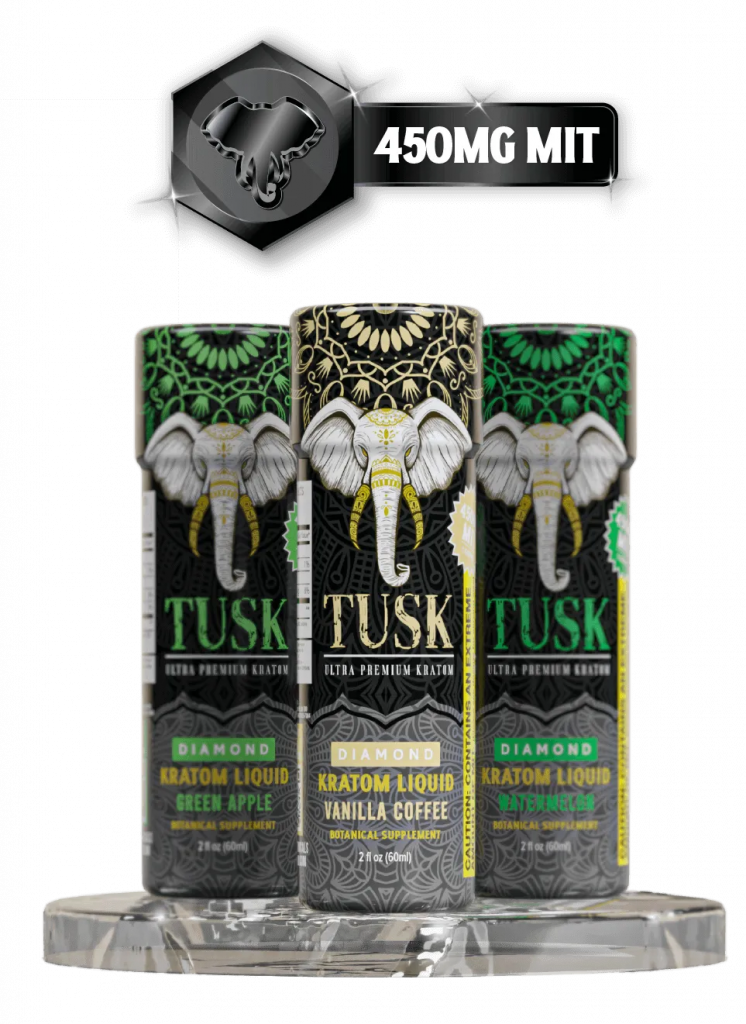
Do you want to put your checklist to good use? Hurry up now! You can get a kratom product now for 25% less than its price on Tusk Kratom. Just use the coupon code – SLYNG_25 and snag yourself a good deal.
What Makes Kratom ‘High Quality’ in the First Place?
It would help if you understood what quality actually means in this space before we go into the total kratom quality checklist. A great kratom starts long before it reaches your door; it starts at the source. The region where kratom is grown, how it’s harvested, and how it’s processed all play a role in the final product’s potency, freshness, and safety.
It Begins at the Farm
Kratom trees, Mitragyna speciosa, grow naturally in Southeast Asia, with Indonesia, Malaysia, and Thailand being the most recognized sources. Kratom grown in the right climate with proper care tends to produce leaves with consistent alkaloid profiles. When a vendor can tell you where their kratom came from, that’s already a green flag on your kratom quality checklist.
Freshness Is a Real Factor
Kratom degrades over time, especially when exposed to light, heat, or humidity. Fresh kratom has a distinct earthy, slightly bitter aroma. Stale kratom smells musty or flat, and its powder often clumps or loses color consistency. If a product has been sitting in a warehouse for too long, no amount of fancy packaging will fix it. Freshness is one of the easiest things to assess once you know what to look for.
Purity Matters More Than Price
High-quality kratom is pure kratom, nothing more. It will have no added fillers, no synthetic boosters, or no mystery ingredients. Some cheaper products are cut with other substances to stretch inventory or inflate potency claims. A proper kratom quality checklist always includes checking the ingredient list and verifying it against an independent lab report.
Your Kratom Quality Checklist: What to Look for Before You Buy
Not all kratom is created equal. Whether you’re a first-time buyer or a seasoned user, knowing how to assess quality before spending your money can save you from disappointment, or worse, a product that’s unsafe. Run through this checklist before any purchase.
Third-Party Lab Testing (COA)
This is non-negotiable. A reputable vendor will provide a Certificate of Analysis (COA) from an independent laboratory for every batch they sell. The COA should confirm alkaloid content (particularly mitragynine and 7-hydroxymitragynine), and screen for contaminants like heavy metals, pesticides, and microbial pathogens such as Salmonella. If a vendor can’t produce one, walk away.
Source and Strain Transparency
Quality vendors are upfront about where their kratom comes from. Authentic kratom is sourced from Southeast Asia, primarily Indonesia, Malaysia, Thailand, and Borneo. Be skeptical of vague descriptions. A trustworthy seller will tell you the region, the vein color (red, green, white, or yellow), and ideally something about the harvest and drying process.
Color and Texture of the Powder
High-quality kratom powder should have a fine, consistent texture, not clumpy, grainy, or gritty. The color varies by strain: green vein tends to be a medium earthy green, red vein is often a deeper, slightly brownish green, and white vein leans lighter. Any powder that looks gray, beige, or unusually pale may be old, adulterated, or low-grade filler material.
Smell
Fresh kratom has a distinctly earthy, slightly bitter, grassy aroma. If your kratom smells musty, moldy, chemically off, or has almost no scent at all, those are red flags. Lack of smell often points to old stock or poor storage conditions; chemical odors may suggest contamination or additives.
Vendor Reputation and Transparency
Do your homework on the seller. Look for vendors who are members of the American Kratom Association (AKA) and comply with their Good Manufacturing Practice (GMP) standards program. Read independent reviews across multiple platforms, not just testimonials on the vendor’s own site. Established vendors with consistent, verifiable track records are far safer bets than fly-by-night online shops offering rock-bottom prices.
Packaging and Labeling
Professional packaging matters. Look for resealable, airtight bags that protect the product from moisture and light. Labels should clearly state the strain name, vein color, net weight, batch number, and any relevant warnings. Missing or vague labeling is a sign the vendor isn’t operating to a serious standard.
Price as a Quality Signal
If the price seems too good to be true, it probably is. Quality kratom that has been properly sourced, lab-tested, and handled costs money. Extremely cheap products often cut corners on testing, sourcing, or both. That said, the most expensive product isn’t automatically the best, but use price as one data point alongside everything else on this list.
Return Policy and Customer Support
Confidence in a product shows up in the vendor’s policies. Reputable sellers typically offer a satisfaction guarantee or at least a clear return policy. Responsive, knowledgeable customer support is another good indicator. If they can answer detailed questions about their sourcing and testing, that’s a vendor worth trusting.
Taking five minutes to run through this checklist before you buy can make the difference between a quality product and one that underdelivers or raises safety concerns. When in doubt, prioritize lab testing and vendor reputation above everything else.
Red Flags to Watch For
Even with a solid checklist in hand, it helps to have a clear sense of the warning signs that should stop a purchase in its tracks.
Walk away from any vendor who can’t provide a verifiable COA, makes medical or therapeutic claims about their product, prices their kratom unrealistically low, or offers no clear information about strain origin or processing.
Poor or nonexistent independent reviews, unprofessional packaging, and the absence of any return or satisfaction policy are equally telling signs that a vendor isn’t worth your business.
Final Thoughts
The kratom market isn’t going anywhere, and neither is the variation in quality across it. Having a kratom quality checklist in your back pocket isn’t about being paranoid; it’s about shopping with intention. The best vendors in the space welcome scrutiny. They publish their lab results, explain their sourcing, and earn their reputation through real transparency.
Every item on this checklist exists because it reflects something that actually matters: purity, safety, freshness, and honesty. When you apply these standards consistently, you stop guessing and start buying with confidence.
FAQs
What is a kratom quality checklist, and why do I need one?
A kratom quality checklist is a structured set of criteria that helps buyers evaluate a product and its vendor before making a purchase. It covers things like lab testing, labeling, freshness, and vendor transparency. Without a checklist, it’s easy to overlook important red flags, especially when shopping online, where you can’t physically inspect the product first.
How do I know if a kratom COA is legitimate?
A legitimate COA comes from an accredited, third-party lab that you can independently verify online. It should be dated within the last 12 months, include the specific batch or lot number, and test for alkaloid content, heavy metals, and microbial contamination. If the lab name isn’t searchable or the document lacks batch-specific details, treat it with skepticism.
What should I do if a vendor refuses to show a COA?
If a vendor can provide the COAs for their product, it means they have cut corners somewhere in production. Those cut corners can be what determines how safe the product is. In this case, it is best to avoid the product altogether.
Is AKA GMP certification required to buy good kratom?
It’s not a legal requirement, but AKA GMP certification is one of the most reliable indicators that a vendor meets a real standard of safety and transparency. Vendors who go through the certification process are independently audited, which adds a layer of accountability that non-certified vendors simply don’t have. It’s a strong green flag on any kratom quality checklist.
Can I use this kratom quality checklist for capsules and extracts, too?
Absolutely. While this checklist is often discussed in the context of powder, the same core principles, lab testing, strain labeling, purity, and vendor transparency, apply equally to kratom capsules and extracts. For extracts specifically, pay close attention to potency claims and ensure the COA reflects accurate alkaloid concentrations for that specific extract format.