


A long lasting dry herb vaporizer come down to three things: what it is made of, how many parts can fail, and how well it survives repeated heat.
Plenty of dry herb vaporizers look solid in photos but wear out fast once real use kicks in.
Knowing what separates a device that holds up for years from one that quits after a few months makes for a smarter purchase.
Ready to see what a discreet, portable setup with better flavor and less waste actually feels like? Use code 26DYNA26 at DYNAVAP for 20% off and find out firsthand. One small upgrade, a noticeably better session.
What Actually Determines Durability
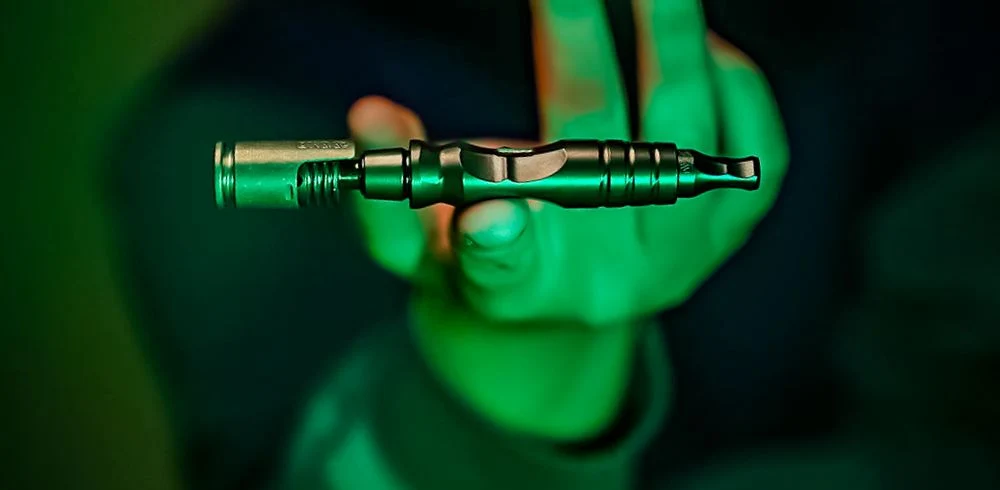
Heat is the main stress a vaporizer deals with. Every session pushes the chamber through an expansion and contraction cycle, and cheap materials cannot take that punishment forever.
Eventually they crack, warp, or start giving off a burnt taste that signals something inside has broken down.
The number of parts matters just as much. A device with fewer seals, screens, and joints simply has fewer places where things can go wrong.
Material Quality Sets the Foundation
Medical grade titanium and stainless steel hold up far better than plastic or low grade alloys. They resist corrosion, they do not react with resin buildup, and they keep their shape after thousands of heat cycles.
Titanium is the standout here. It is light, it barely reacts to torch or induction heat, and it stays structurally sound for years. Stainless steel does similar work at a lower cost, which is why a lot of well built devices lean on both, using titanium where the heat hits hardest and steel in supporting roles.
A best dry herb vaporizer shortlist almost always narrows down to devices built around one or both of these metals.
Simpler Builds Age Better
A stripped down mechanical design tends to outlast a feature heavy one. Screens, circuit boards, and batteries all add points of failure that a purely mechanical device does not have.
If something feels off during a session, a simple device is also easier to troubleshoot, since there is no internal electronics to guess at. Fewer components is not a compromise. It is often the reason a device is still working years later.
Build Choices That Add Years to a Device
Two vaporizers can use similar metals and still age completely differently depending on how those metals are shaped and finished. These details rarely get attention, but they decide whether a device lasts five years or needs replacing within months.
Titanium and Stainless Steel Working Together
Titanium keeps its shape even after thousands of heating cycles, which matters because a warped chamber leads to leaks and uneven airflow.
Stainless steel usually covers smaller components like screens or condensers, parts that do not need to withstand direct flame but still benefit from strong corrosion resistance. Pairing the two lets a manufacturer keep costs reasonable without sacrificing the durability where it counts most.
Finishes That Protect the Surface
A protective finish does more than keep a device looking clean. Coatings like anodizing guard against scratches, discoloration, and the kind of oxidation that comes from repeated exposure to high heat.
Without that layer, a metal surface can dull or even flake over time.
Manufacturers who add this step are usually building for the long term, not for a quick sale. A glass dry herb vaporizer can offer clean flavor too, but glass lacks that same protective coating option and tends to chip or crack under the kind of daily handling metal builds shrug off.
Battery Free Design and Long Term Reliability
Batteries are one of the most common reasons electronics stop working long before the rest of the hardware wears out. Every charge cycle degrades a lithium cell a little more, and that decline happens regardless of how well everything else is built.
No Battery to Degrade
A device that runs on external heat instead of an internal battery skips this problem entirely.
There is no charge cycle wearing anything down, no waiting on a full battery before a session, and no expiration date tied to a cell losing its capacity.
That alone removes one of the biggest reasons electronic vapes stop performing after a year or two.
Consistent Output Over Time
Since the heat source is external, there is no voltage drop or inconsistent power delivery to account for. Session one thousand performs the same as session ten. Maintenance also gets simpler, since there is no battery health to monitor, just the mechanical parts to keep clean.
Maintenance That Keeps a Device Running
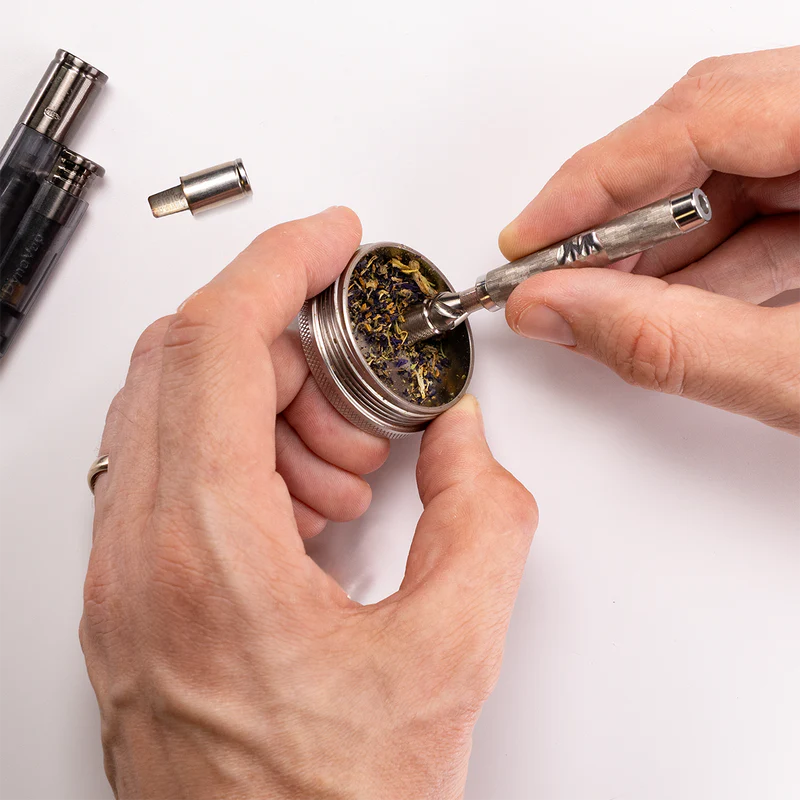
Even solid construction needs some upkeep. A quick brush after each session keeps loose material from hardening into something harder to remove later.
Soaking removable parts in isopropyl alcohol once a week, depending on use, clears out resin that a brush alone cannot reach.
Letting every piece dry fully before reassembly matters too, since trapped moisture inside metal parts can lead to corrosion down the line. None of this takes much time, but it makes a real difference in how a device performs years down the road.
Replacing Parts Instead of the Whole Device
A modular build lets seals, screens, and other small pieces get swapped out instead of forcing a full replacement the moment something wears down.
This keeps costs low and stretches the usable life of the main body considerably. A manufacturer that sells individual replacement parts is signaling confidence in the core construction, since they expect the main unit to keep functioning long after minor components need refreshing.
Checking a dry herb vaporizer store for individual seals or screens before assuming a device is done for is usually worth the few extra minutes.
Final Thoughts
A long lasting dry herb vaporizer comes from several things working together rather than one standout feature.
Strong metals handle the stress of repeated heat cycles, a simple mechanical design cuts down on failure points, and skipping a battery removes one of the most common reasons electronics quit early. Add in a protective finish, replaceable parts, and a basic cleaning routine, and a device can stay reliable for years instead of months.
Anyone comparing options should weigh these factors together instead of going by price or looks alone.
FAQs
What materials hold up best in a vaporizer?
Medical grade titanium and stainless steel are the most durable choices available. Both resist corrosion and heat warping far better than plastic or lower grade metal, keeping the chamber functional even after years of regular use.
Do battery free vaporizers last longer than battery powered ones?
Usually, yes. Battery powered devices lose performance as their internal cell degrades over time, while battery free designs sidestep that issue entirely by relying on external heat instead of a power supply.
How often should a vaporizer be cleaned?
A quick brush after each session prevents buildup, while a deeper soak in isopropyl alcohol about once a week for regular use keeps residue from affecting airflow or internal parts.
Is a simpler design more durable than one packed with features?
Generally, yes. Fewer moving parts and fewer electronic components mean fewer things that can break. Devices with screens or circuit boards carry more potential failure points than a purely mechanical build.
Can worn parts be replaced without buying a new device?
Many well designed vaporizers allow seals, screens, and other small components to be swapped out individually. This keeps costs down and extends the life of the main device considerably.