

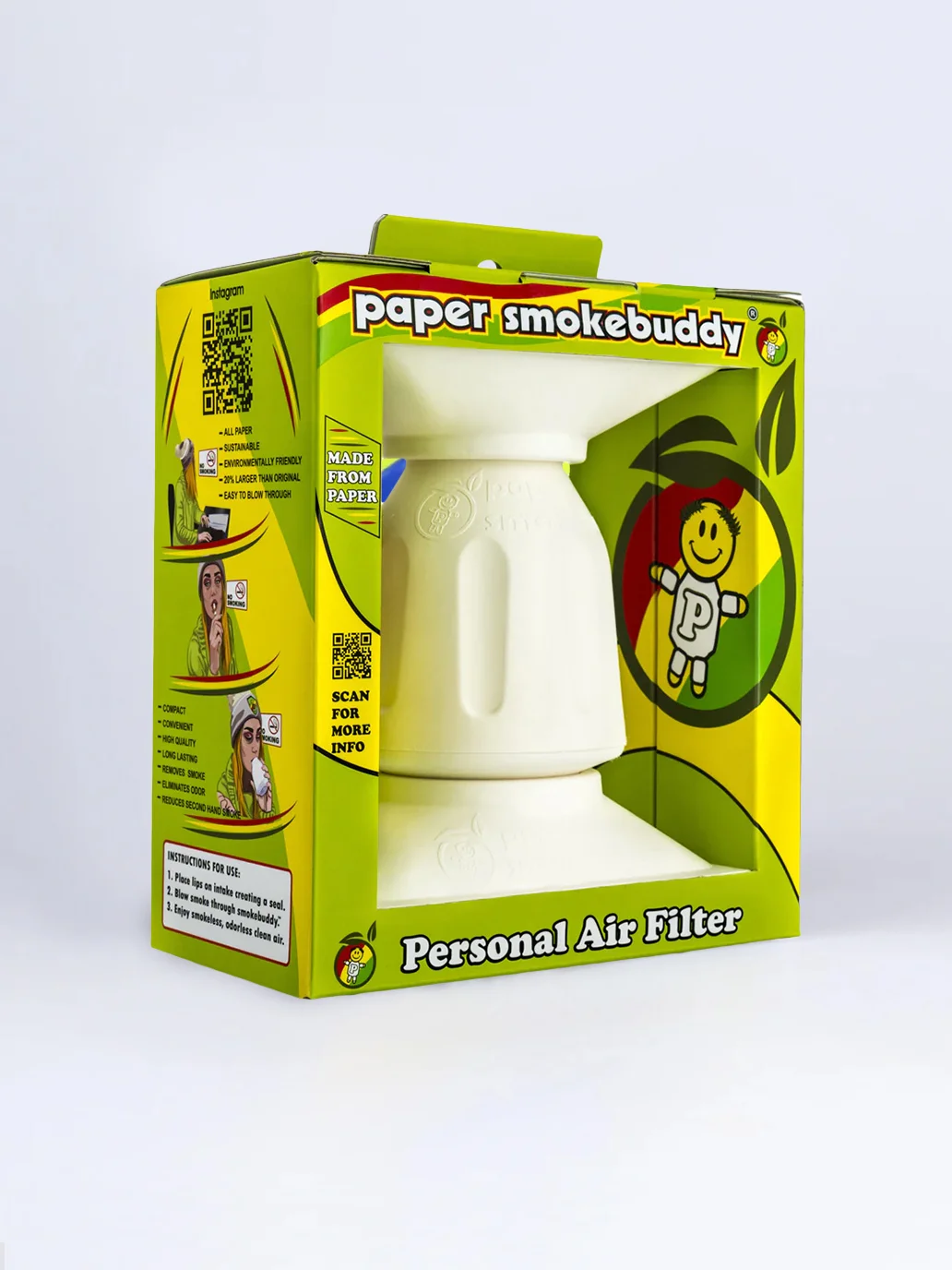
Let’s filter through the facts. If you’ve looked into personal air filters to manage smoke smell indoors, you’ve probably wondered: do these things actually work? It’s a fair question. Marketing claims sound great, but personal air filter effectiveness in real life is what matters.
The truth about personal air filter effectiveness isn’t black and white. These devices do trap smoke particles and reduce odor; that part is real. But they’re not magic, and some things still escape, no matter how good the filter is.
In this guide, we’ll break down exactly what personal air filter effectiveness looks like in practice. You’ll learn how these filters work, what they’re good at catching, what slips through, and how they stack up against other air-cleaning options.
If you’ve been thinking about getting one, now might be the best time. Smokebuddy is currently running a special sale. With the code SLY25, you can get 25% off on your next purchase.
What People Mean When They Search “Personal Air Filter Effectiveness”
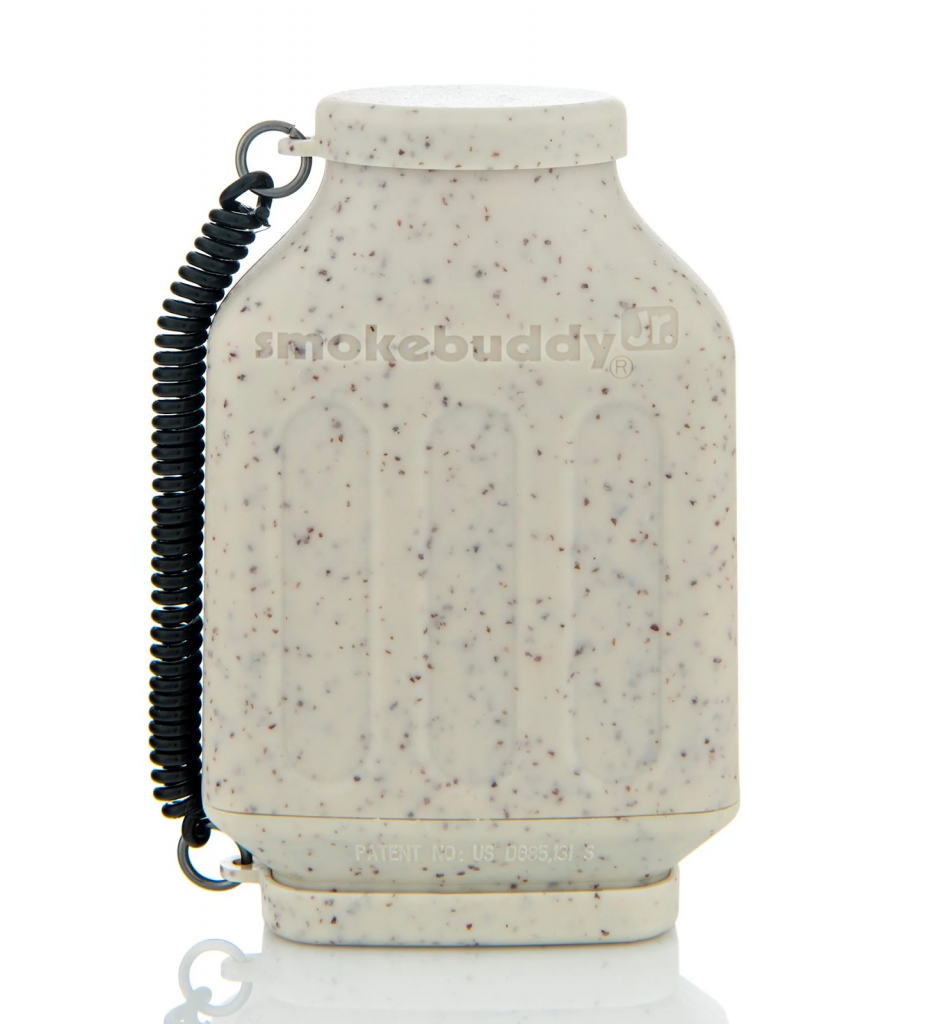
When people look up personal air filter effectiveness, they’re usually confused about the extent of its effect.
A personal air filter is a handheld smoking filter device you exhale through when smoking. It’s designed to trap smoke particles and odor before they spread into the room. Think of it as a personal barrier between your exhaled smoke and the air around you.
People hope personal air filter effectiveness solves a few problems. The main one is lingering smell; i.e., smoke odor that sticks to clothes, furniture, and walls. Another is discretion, especially if you share space with others. Some users also want better air quality without needing complicated or expensive equipment.
The key thing to understand upfront: personal air filter effectiveness is about reduction, not elimination. These filters help manage smoke and smell, but they don’t remove every trace. Knowing this from the start keeps expectations realistic.
How Personal Air Filters Work (Simple Breakdown)
Understanding personal air filter effectiveness starts with knowing how the device actually works. The process is straightforward.
When you exhale smoke through a personal air filter, the smoke enters the filter and passes through layers of material, usually activated charcoal and natural fibers. As smoke moves through these layers, particles get trapped in the charcoal’s tiny pores. The charcoal also absorbs some of the gases that cause the smell.
What comes out the other end is cleaner air. Not perfectly clean, but noticeably cleaner. Less visible smoke, less smell, and fewer particles floating around your space.
Personal air filter effectiveness depends on this trapping and absorbing process. The better the filter material and the more layers it has, the more smoke gets caught. Quality filters use coconut shell charcoal because it has millions of microscopic pores, ideal for catching particles and absorbing odors.
The process with a premium smoking filter isn’t complicated, but it does have limits. Some particles are too small to get trapped. Some gases slip through. And if smoke doesn’t pass directly through the filter, like smoke from the burning end or smoke you don’t fully exhale through the device, it still escapes into the room.
Personal Air Filter Effectiveness for Smoke and Odor
Let’s talk about personal air filter effectiveness in real-world situations. How well do these filters handle actual smoke and smell?
For cannabis smoke, personal air filter effectiveness is solid. Cannabis smoke contains visible particles and strong odor compounds. A good personal air filter catches most of the visible smoke you exhale through it. The smell gets significantly reduced, though not eliminated. You’ll still notice some odor, but it’s much lighter than smoking without a filter.
Secondhand smoke is where personal air filter effectiveness really matters for the consideration of others. When you use the filter properly, people nearby are exposed to far less smoke. The filter traps particles that would otherwise float around the room and get breathed in by others. It’s not a complete barrier, but it’s a noticeable improvement.
Lingering smells show the limits of personal air filter effectiveness. Even with a premium smoking filter, some odor molecules escape and settle on surfaces. If you smoke regularly in a small room, you’ll eventually notice smell buildup. The filter slows this down considerably, but it doesn’t stop it entirely.
The best personal air filter effectiveness comes from pairing the filter with good ventilation. Use your filter near an open window or with a fan running, and results improve dramatically.
What Personal Air Filters Capture Well
Personal air filter effectiveness is strongest for certain types of smoke and odor. Here’s what these filters handle best:
Visible smoke particles get captured well
These are the larger particles you can see floating in the air. When you exhale through a personal air filter, most of this visible smoke gets trapped in the charcoal and fiber layers. You’ll notice much less smoke clouds coming out the other end.
Medium-sized odor compounds are also caught effectively
These are the molecules that carry the distinctive smoke smell. Activated charcoal absorbs many of these compounds, which is why personal air filter effectiveness for odor reduction is real. The smell doesn’t disappear, but it gets noticeably weaker.
Tar and resin particles stick to the filter material
Over time, you’ll see discoloration inside the filter; that’s evidence of trapped particles. These are the same particles that would otherwise coat your walls, furniture, and lungs.
Personal air filter effectiveness is most reliable for the smoke you exhale directly through the device. As long as you’re using it correctly; sealing your lips around the opening of the air filter for smoking and exhaling fully, the filter does its job on this portion of smoke.
What Escapes Personal Air Filters (And Why)
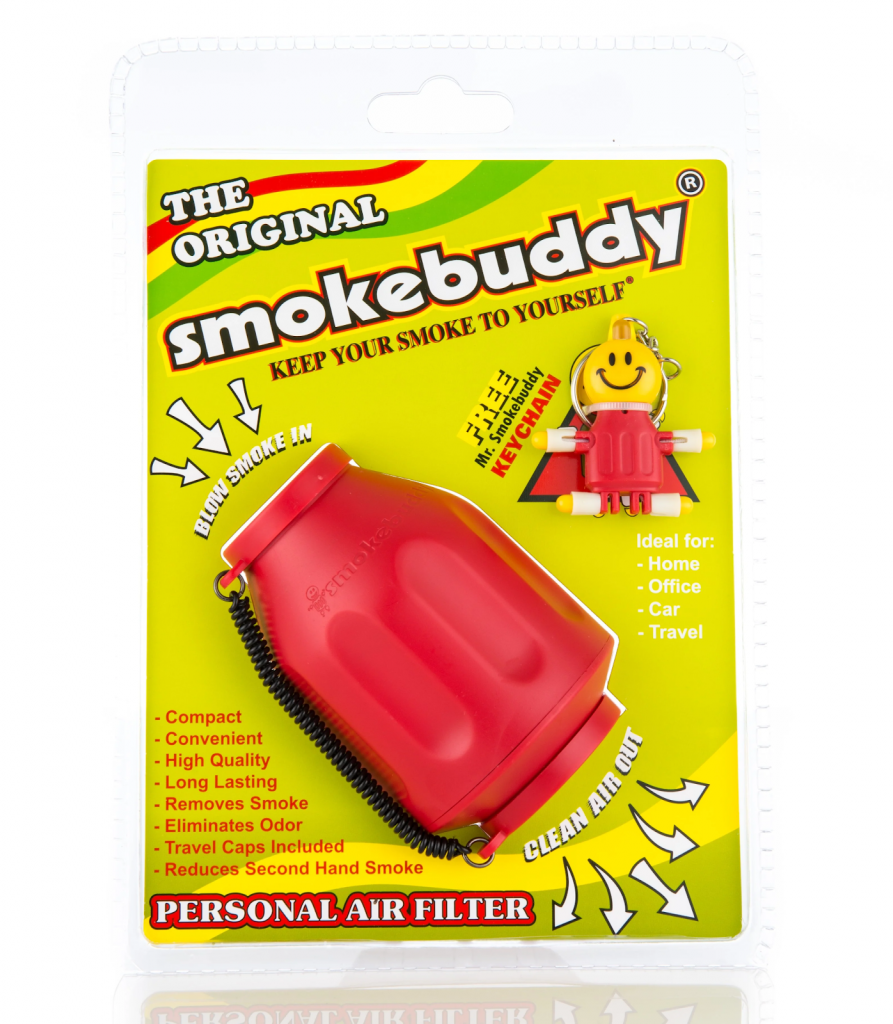
Understanding what escapes is just as important as knowing what gets caught. Personal air filter effectiveness has real limits.
Tiny gas molecules slip through
Smoke isn’t just particles; it’s also gases. Some of these gas molecules are too small to get trapped by the charcoal pores. They pass right through and escape into the air. This is why you’ll still smell some smoke even with a filter.
Smoke from the burning end bypasses the filter entirely
Whether you’re smoking a joint, pipe, or bong, the burning end produces smoke that goes directly into the room. Personal air filter effectiveness only covers what you exhale, not what’s constantly being released from the lit end.
Smoke that doesn’t go through the filter obviously escapes
If you remove the filter from your mouth between hits, smoke leaks out. If you don’t seal your lips properly, some smoke escapes around the edges. Personal air filter effectiveness drops when the device isn’t used consistently.
Very fine particulate matter can pass through. Not all smoke particles are large enough to get trapped. The smallest particles, i.e., the ones measured in micrometers, can slip past the filter material. This is why personal air filter effectiveness isn’t 100%.
These limitations don’t make personal air filters useless. They just mean you need realistic expectations. The filter catches a lot, but not everything.
Personal Air Filter Effectiveness vs Room Air Purifiers
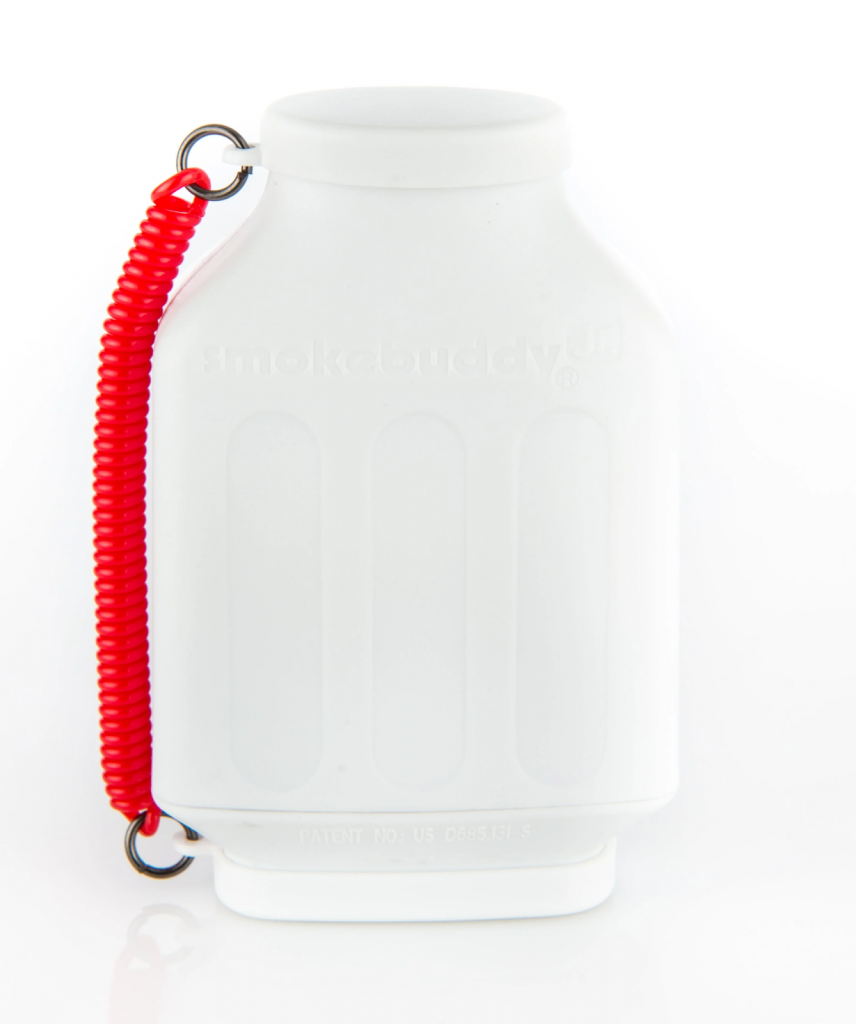
How does personal air filter effectiveness compare to room air purifiers? They’re different tools designed for different jobs.
Key Usage
A personal air filter is designed to filter smoke right at the point where you exhale. It works immediately but only affects the smoke you blow into it. A room air purifier, on the other hand, cleans the air throughout an entire room over time. The personal option is fast but limited, while the purifier is more thorough but slower.
Portability
A personal air filter is handheld and can be used anywhere. A room air purifier is stationary and needs to be plugged into an outlet. This makes the personal air filter more convenient when you’re on the move.
Power Source
When it comes to power, personal air filters don’t require electricity at all. Room air purifiers do, which adds setup and running requirements. This makes the personal option simpler to use.
Coverage
A personal air filter only cleans the smoke you exhale through it. A room air purifier cleans all the air in the room, depending on the room size. This gives the purifier better overall air coverage.
Cost
Looking at cost, personal air filters have a low upfront cost with only occasional replacements. Room air purifiers usually require a higher upfront investment, plus ongoing electricity and filter costs. The personal filter is generally more budget-friendly.
In sum, personal air filter effectiveness is about targeted smoke reduction at the source. Room air purifiers provide broader air cleaning. They’re not meant to replace each other. Ideally, you could use both for maximum results.
Bottom Line on Personal Air Filter Effectiveness
Personal air filters are genuinely effective at reducing visible smoke and odor when used correctly. They trap a significant portion of what you exhale, which means less smoke floating around your space and less smell sticking to surfaces. This is real personal air filter effectiveness, not marketing hype.
What they don’t do is eliminate all the smoke or smell. Some particles escape. Some gases slip through. Smoke from the burning end bypasses the filter entirely. Personal air filter effectiveness is about improvement, not perfection.
These filters work best when paired with other smart choices. Use them near a window. Combine them with a fan or air purifier. Don’t rely on them as your only smoke management strategy.
Personal air filter effectiveness fits specific needs. If you want a portable, low-cost way to reduce smoke smell and be more considerate of others, these filters deliver. If you need perfect air quality or want to smoke indoors with zero impact, they won’t meet those expectations.
FAQs
Do personal air filters actually remove the smoke smell?
Yes, personal air filter effectiveness includes significant odor reduction. The activated charcoal traps many odor-causing compounds as you exhale through the filter. However, they don’t remove 100% of the smell. You’ll notice much less odor compared to smoking without a filter, but some smell still escapes, especially from the burning end and from gases too small to trap.
How does personal air filter effectiveness compare for different types of smoke?
Personal air filter effectiveness works similarly across different smoke types: cannabis, tobacco, or herbs. All produce particles and odor compounds that the filter can trap. Cannabis smoke tends to have a stronger odor, so you might notice more residual smell compared to lighter smoke. The filter’s ability to trap particles remains consistent regardless of what you’re smoking.
Can I measure personal air filter effectiveness at home?
You can observe personal air filter effectiveness through simple tests. Exhale smoke through the filter in a well-lit room and watch how much visible smoke comes out the other end compared to exhaling without a filter. You’ll see significantly less smoke cloud. For odor, ask someone who doesn’t smoke to compare the smell with and without filter use. These aren’t scientific measurements, but they give you a clear sense of the difference.
Does personal air filter effectiveness decrease over time?
Yes, personal air filter effectiveness gradually decreases as the charcoal becomes saturated with trapped particles and absorbed compounds. Most filters last 300 to 600 uses before you’ll notice reduced performance. Signs of decreased effectiveness include more visible smoke passing through, a stronger smell, and harder resistance when exhaling. Replacing the filter restores full effectiveness.
Will using a personal air filter protect people with asthma or allergies?
Personal air filter effectiveness reduces secondhand smoke exposure but doesn’t eliminate it completely. Some smoke particles and irritants still escape, which can trigger reactions in sensitive individuals. While the filter helps by trapping much of what you exhale, it shouldn’t be considered a safe solution for smoking around people with respiratory conditions. If you share space with someone who has asthma or allergies, smoking outdoors is the safest option.