

Kratom has earned a loyal following for good reason. When used thoughtfully, it fits naturally into the routines of people looking for balance, focus, or relaxation. However, the key to being able to enjoy this plant in the long term is responsible kratom use. This means, knowing the goals of your usage and having restraint instead of simply taking more.
In this guide, we’ll cover how to dose smartly, manage your tolerance before it becomes an obstacle, and how to recognize the feedback your body provides.
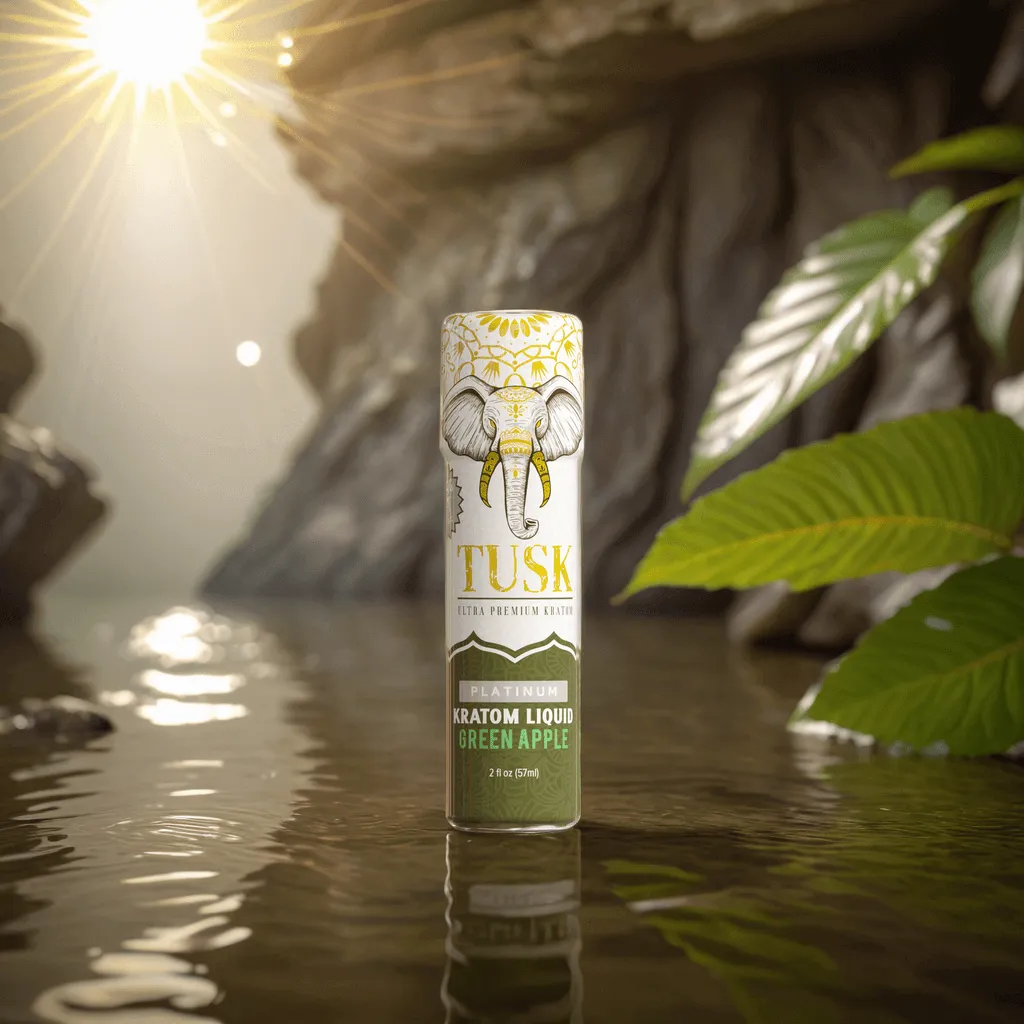
While we’re on it, responsible kratom use also means getting good quality products at the right spot. Thankfully, Tusk Kratom is one such option. Use SLYNG_25 at checkout for 25% off your purchase.
The Golden Rule of Responsible Kratom Use: Start Low, Go Slow

If there’s one principle that underpins responsible kratom use more than any other, it’s this: start with less than you think you need.
New users often make the mistake of taking large doses immediately because they’re eager to feel something. The problem is that kratom’s effects are very dose-dependent.
A smaller amount tends to produce alertness and energy, while a larger amount leans more toward relaxation and sedation. Taking too much too soon doesn’t give you a “better” experience; it usually gives you an overwhelming one.
What a Beginner Dose Looks Like
For someone new to kratom, a starting dose in the range of one to two grams is a smart place to begin. From there, you wait, give it time, assess how you feel, and only add a fraction only if it’s necessary. And do not add the same size as what you took before. Adding more mid-session often leads to an unpleasant time.
Why Less Protects Your Experience Long-Term
Responsible kratom use at lower doses does more than prevent discomfort, it preserves sensitivity. The longer you can stay effective at a modest dose, the better your overall relationship with kratom will be. Think of it as protecting an investment. A little restraint now pays off in a much longer, more enjoyable experience down the road.
How Often Should You Use Kratom? Find Your Rhythm
Frequency is just as important as dose size when it comes to responsible kratom use. There’s no universal answer that fits everyone, but there are some practical principles that work well for most people.
Daily Use vs. Rotating Use
Using kratom every single day at the same time can cause your body to adapt quickly, leading to a “flat” experience. You can start using it two to three times a week, and resting on other days. This can help refine your overall experience.
The “Less Frequent, More Effective” Principle
Using kratom less often actually makes each session more satisfying. When your body hasn’t had kratom in a day or two, even a modest dose tends to feel more noticeable. Therefore, regular breaks aren’t a sacrifice, they are a tool for effectiveness.
How Responsible Kratom Use Helps With Tolerance
Tolerance is one of the most talked-about topics in the kratom community. You won’t notice it overnight, instead, you’ll find that a dose you regularly use does not bring the same feeling anymore. Recognizing this pattern is the hallmark towards responsible kratom use.
Strain Rotation as a Practical Tool
One of the best ways to manage tolerance is rotating between kratom strains. Red, white, and green strains interact with the body in slightly different ways. Switching strains every few days prevents your body from fully adapting to any single one. It keeps things fresh without requiring you to change your dose.
Tolerance Breaks: What They Are and When to Take One
A tolerance break, or “T-break”, is simply a planned period where you stop using kratom entirely. Even a five to seven-day break can noticeably reset sensitivity. Some people do this once a month, others do it seasonally. If you find yourself “chasing” an effect by constantly increasing your dose, that is your cue to do the opposite: stop, reset, and return with a lower threshold.
Picking the Right Strain for the Right Reason

Part of responsible kratom use is being intentional about which strain you reach for and why. Two different kratom strains can’t work for the same goal. Each kratom strain has its own tendencies, and matching your strain to your goal helps you use less while getting more out of it.
Types of Kratom Strains and How They Feel
Red vein kratom is generally associated with relaxation and winding down. White vein tends to lean toward energy and focus. On the other hand, the green vein sits somewhere in the middle, often used for balance.
Matching the strain to your specific intention allows you to get the desired result without having to rely on higher doses
Responsible Kratom Use Means Listening to Your Body
No guide replaces the feedback your own body gives you. Responsible kratom use involves paying attention to that feedback and actually acting on it.
Recognizing Early Signs You’ve Taken Too Much
The most common sign that a dose is too large is a set of symptoms often called “the wobbles”. It feels like dizziness, nausea, or disorientation. These aren’t dangerous in most healthy individuals, but they’re uncomfortable and entirely avoidable. If you experience them, it’s a clear signal to reduce your dose next time, not push through.
Adjusting Without Judgment
The best and healthiest mindset towards responsible kratom use is treating your body’s signals as neutral information, not failures. Needing to scale back isn’t a setback, it’s just feedback from your body. The goal is a long-term relationship with kratom that stays enjoyable, and that requires flexibility.
Danger in Dehydration
For some people, kratom has a mild dehydrating effect. Once your body starts lagging or has consistent headaches, it means you’re one of them and your body is letting you know you’re dehydrated. Drinking enough water throughout the day, not just when using kratom helps prevent all these symptoms.
Keeping a Simple Use Log
A basic log, even a few notes on your phone, can be surprisingly useful. Track your dose, strain, time of day, and how you felt. Over time, patterns emerge that help you fine-tune your approach. It doesn’t need to be elaborate to be helpful.
Combining Substances With Responsible Kratom Use
For a stronger high, you might feel the need to mix things up when using kratom. Don’t be tempted. Mixing kratom with other substances, particularly alcohol, sedatives, or anything that affects the central nervous system, is not safe. Having feelings like this also means you’ve built up a tolerance and it’s time for a break.
Final Thoughts: Responsible Kratom Use is a Long Game
If you’re thinking of using kratom, it is important to understand what you’re using it for and the best ways to use it. That’s what responsible kratom use is all about. It’s about intention and restraint in consistency.
Remember, do not combine substances, especially alcohol, when using kratom. Start small. Space out your sessions. Rotate your strains. Listen to your body. Take breaks. These habits aren’t restrictive, they’re what keep the experience enjoyable for the long haul.
FAQs
What is considered responsible kratom use?
Responsible kratom use means starting with a low dose. It means you use kratom with a goal, rotate your strains, take breaks, and build kratom habits that help you keep your experience positive over time.
How much kratom is too much?
There’s no single answer because tolerance and body chemistry vary from person to person. Signs like nausea, dizziness, or the “wobbles” are clear indicators that you’ve exceeded your personal threshold. If you hit those signs, your dose is too high for your body.
How do I know if I’ve built a kratom tolerance?
The clearest sign of tolerance is needing more kratom to feel the same effects you used to get at a lower dose. If your regular amount feels flat or ineffective, and you’ve been using it consistently, tolerance has likely developed. A break or strain rotation is usually the most effective response.
Can I use kratom every day?
Daily use isn’t automatically problematic, but it does accelerate tolerance and makes it harder to maintain effectiveness at lower doses. Taking one to two days off between sessions, or using kratom only a few days a week, keeps the experience more consistent and enjoyable long-term.
What strains are best for beginners practicing responsible kratom use?
We recommend the green vein type for beginners because it offers a balanced experience without leaning too much into stimulation or sedation. They are a good starting point while you learn how your body responds to kratom before trying out red or white vein options.