

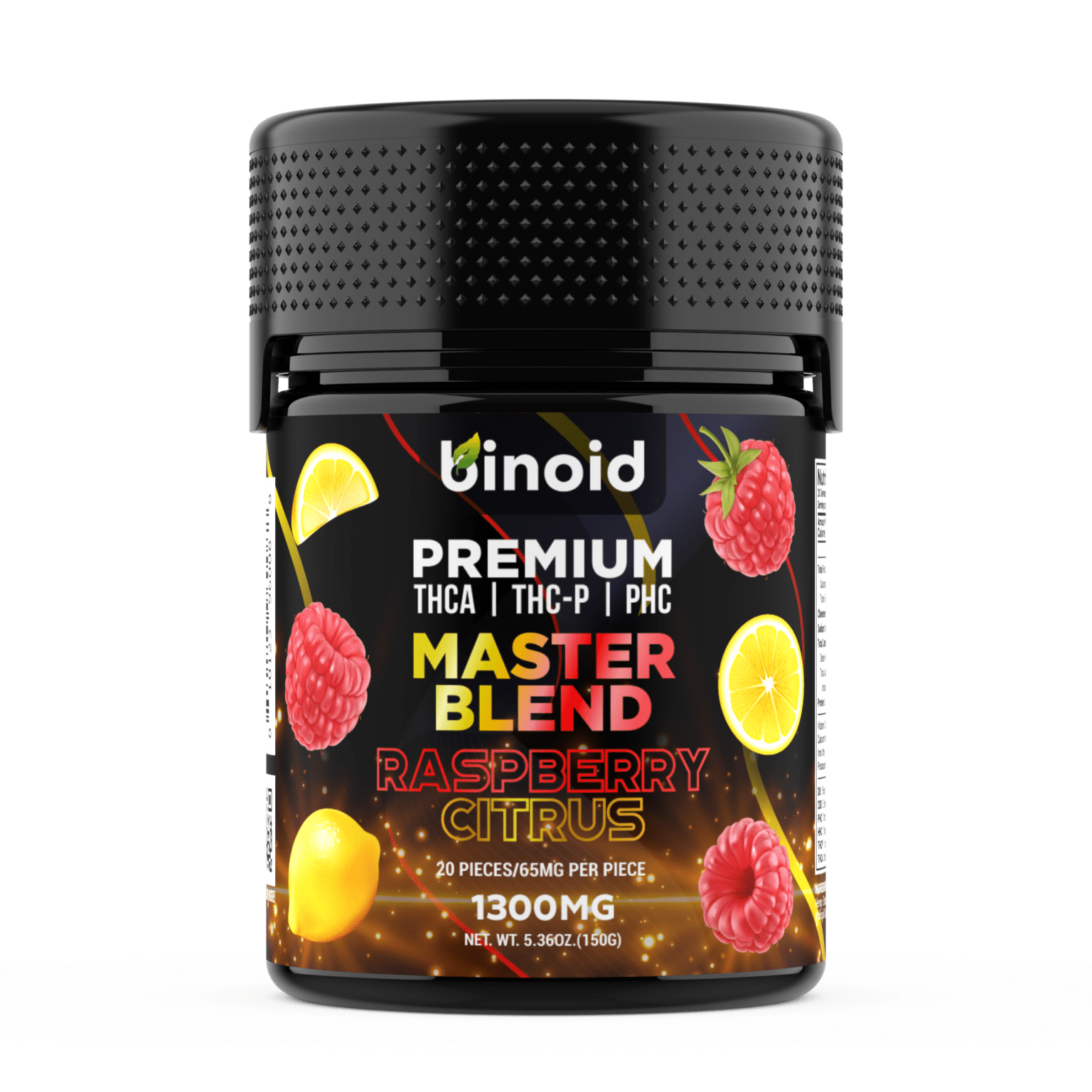
THC-P effects are usually euphoric and quite intense. While THC-P is one of the most talked-about cannabinoids right now, its effect is significantly different compared to other hemps.
Whether you’re researching before you make a purchase or trying to make sense out of an experience, this guide covers all you need to know about THC-P effects. We’ll be exploring what THC-P actually is, why its effects feel so much stronger than regular THC, how long those effects last, and best usage practices.
If you’re willing to go all in with this cannabinoid, best to do that with a brand that guarantees safety and quality. The best part is, the brand (Binoid) is currently running a huge sale. With the code 30BIN, you can get 30% off your order.
What is THC-P?
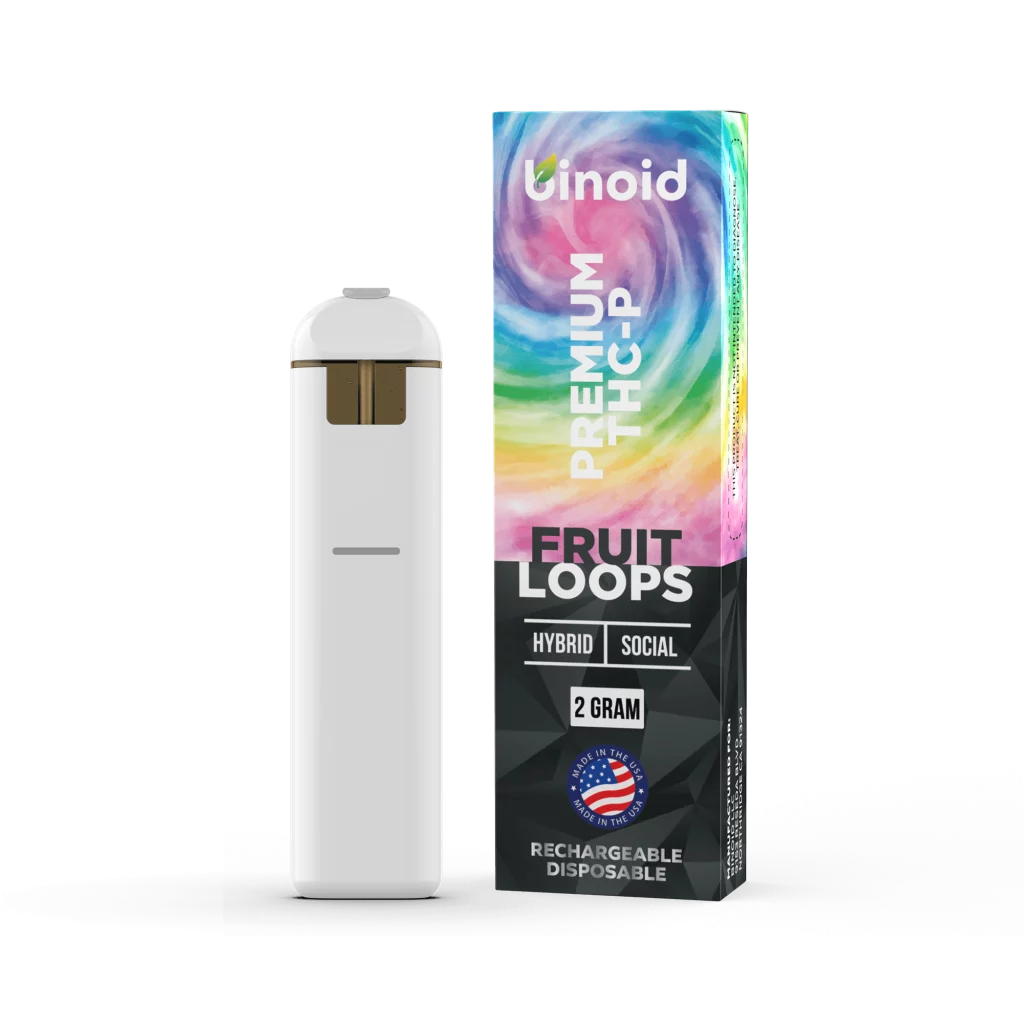
THC-P, short for Tetrahydrocannabiphorol, is a naturally occurring cannabinoid found in the hemp plant. It was officially identified in 2019 by a team of Italian researchers. It quickly caught attention in the scientific community because it binds to the body’s cannabinoid receptors far more aggressively than regular delta-9 THC.
To put it simply, THC-P locks into the same receptors that THC targets, but with a much tighter grip. That stronger connection is what makes THC-P effects stand out, even at small doses. It exists in the plant in very small amounts naturally, which is why most commercially available THC-P is produced from hemp-derived CBD through a conversion process.
Why Does THC-P Effects Feel So Much Stronger?
The answer comes down to molecular structure, specifically something called the alkyl side chain. Regular THC has a side chain made up of five carbon atoms. THC-P has seven. Those two extra carbons might not sound like much, but they make a massive difference in how tightly the molecule attaches to your CB1 receptors, which are the ones responsible for psychoactive effects.
The Binding Affinity
Think of it like a key and a lock. THC fits the lock, but THC-P fits that same lock far more precisely, which means it activates the receptor more efficiently. The binding affinity of THC-P to CB1 receptors is about 33 times stronger than delta-9 THC.
In practical terms, that does not mean the experience is 33 times more intense, but the effects are reliably heavier, more enveloping, and longer-lasting than what regular THC produces.
The difference of THC-P effects shows up fast, especially if someone doses it the same way they would with a typical product.
What Does THC-P Effects Actually Feel Like?
The overall experience shares a lot in common with a strong THC high, but it tends to be more intense and more physically pronounced. The effects are real, they vary from person to person, and they depend heavily on dose, tolerance, and the type of product used.
Euphoria and Mood Lift
One of the most commonly noted THC-P effects is a strong sense of euphoria, a mood lift that can feel very powerful and come on quickly. At the right dose, it’s pleasant. At too high a dose, it can tip into anxiety or disorientation, which is why controlled dosing matters so much with this cannabinoid.
Deep Body Relaxation
THC-P tends to produce a heavy, sedating body effect that goes beyond what most people feel from delta-9 THC. Physical relaxation is one of the main reasons experienced users seek it out, particularly those looking for stronger relief or deeper sleep support. It’s worth noting that the research on specific benefits is still limited, so individual results will vary.
Heightened Sensory Perception
Colors, sounds, and textures can feel more vivid under the influence of THC-P effects. Some users describe the experience as bordering on psychedelic, not in the sense of true hallucinations, but in the sense that sensory input feels amplified. For some, this is enjoyable. For others, especially first-timers or those who took too much, it can feel overwhelming.
Altered Mental State
At higher doses, THC-P effects can produce a more significant shift in mental clarity. Time perception may feel altered, thought patterns can become abstract, and focus or coordination may be reduced. This is not the cannabinoid for a casual or light experience, it demands respect and careful attention to dose.
How Long Do THC-P Effects Last?
Duration depends on how you consume it, when it comes to THC-P effects. When inhaled through a vape or flower product, THC-P effects typically begin within 5 to 15 minutes and can last anywhere from 2 to 4 hours. With edibles, the onset is slower, usually 30 minutes to 2 hours, but the duration stretches significantly, often 6 to 8 hours or longer.
The Biggest Rookie Mistake: Redosing Too Soon
One of the most common issues with THC-P is redosing before the first dose has fully kicked in, especially with edibles. Because the onset can feel slow, some people assume it’s not working and take more. By the time both doses hit, the experience can become very uncomfortable. The smart move is to wait at least two hours after an edible before considering any additional amount.
THC-P Effects vs. Regular THC: What’s Actually Different?
Both cannabinoids target the same receptors and produce broadly similar experiences, but the differences in intensity, duration, and feel are significant enough to matter for anyone making a choice between them.
Potency at Low Doses
THC-P hits hard at much smaller doses than regular THC. A beginner-friendly THC dose might be 5 to 10mg. With THC-P, starting at just 1 to 2mg is the safer approach, especially for anyone without a very high tolerance. The intensity difference is real, and it catches a lot of people off guard.
How Long It Sticks Around
THC-P effects typically last longer than those of regular delta-9 THC. If a standard THC session runs 2 to 3 hours for someone, THC-P may extend that noticeably, particularly with edibles. That longer duration is a feature for some users, but it can be an issue for anyone who didn’t plan around it.
The Character of the High
Compared to other potent cannabinoids like delta-8 or THC-O, THC-P effects lean more strongly toward the euphoric and physical side. Delta-8 tends to be milder and more clear-headed. THC-O has more of a psychedelic lean. THC-P sits in its own category. It’s heavy, euphoric, and long-lasting, without the distortion associated with stronger psychedelics.
In addition, best not to mistake THCA with THC-P. The former brings the raw approach, while the latter offers heightened strength for those who want something deeper.
Is THC-P Legal?
The legal status of THC-P in the United States is complicated, and it’s changing. Hemp-derived THC-P currently exists in a gray area under federal law. While the 2018 Farm Bill legalized hemp and its derivatives, several states have since moved to ban intoxicating hemp-derived cannabinoids, and federal-level conversations about restricting them are ongoing.
Check Your State Before You Buy
Due to the dynamic regulatory landscape, it’s important to check your specific state’s laws before purchasing any THC-P product. What’s legal in one state may not be in another. Note that this is not legal advice, but a practical reminder that staying informed is your responsibility as a consumer.
Final Thoughts
THC-P effects are no joke, and now you know exactly why. The science behind its potency is real and the experiences are consistent with that science. This is a cannabinoid that rewards respect and punishes carelessness. Hence, best to be cautious while using it.
For experienced users looking for something stronger than what they’ve found elsewhere, THC-P can be a genuinely compelling option, especially when sourced from a brand that prioritizes transparency and third-party testing. For first-timers or anyone with a lower tolerance, it’s smarter to build experience with milder cannabinoids before stepping up.
FAQs
Will THC-P show up on a drug test?
Yes. Standard drug tests screen for THC metabolites, and THC-P is processed through the same pathways. Using THC-P will very likely result in a positive test, and the detection window may actually be longer due to its potency and how your body metabolizes it. If drug testing is a concern in your life, THC-P is not a safe choice.
Is THC-P safe for beginners?
No, THC-P is best suited for experienced users who already have a strong familiarity with how THC affects their body. Its potency makes it very easy to overconsume, and the side effects of taking too much including intense anxiety and disorientation can be a difficult experience for someone without a solid baseline tolerance.
How is THC-P different from delta-8 and delta-9?
Delta-8 is a milder, more functional cannabinoid that produces a lighter, clearer-headed high. Delta-9 THC is the most widely known cannabinoid and what most people mean when they say “THC.” THC-P takes everything up several notches, and it’s more potent, longer-lasting, and more physically sedating than either. They all target the same receptors, but THC-P does so with far more intensity.
Can you take too much THC-P?
Yes, very easily. Taking too much THC-P can result in intense anxiety, paranoia, extreme drowsiness, increased heart rate, and a loss of coordination. The experience of overconsumption can feel distressing even for seasoned users. If that happens, the best response is to move to a calm, safe environment, stay hydrated, and wait it out. THC-P is not known to cause physical overdose, but a bad experience is entirely avoidable with proper dosing.
Where can I buy THC-P products?
THC-P products are available online and in some hemp retail shops, depending on your state. The most important thing is to buy from a brand that publishes third-party Certificates of Analysis (COAs) for their products.