

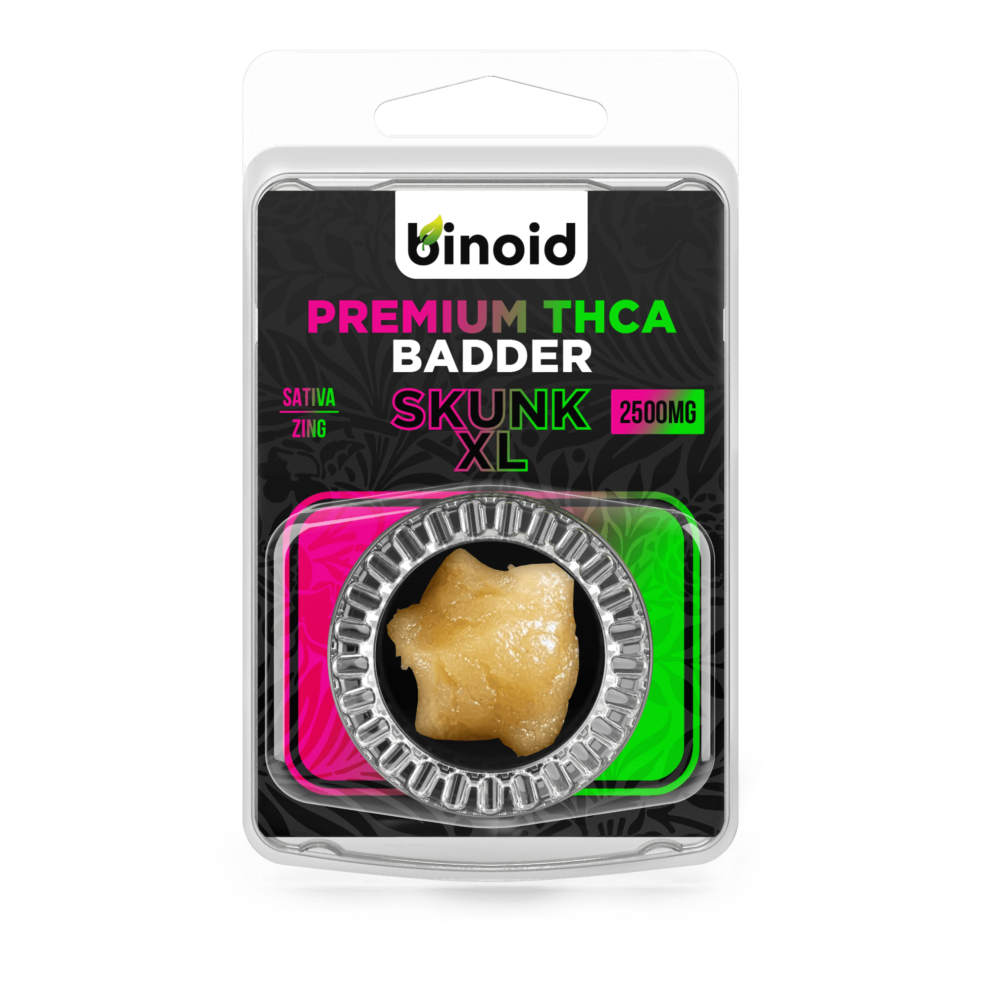
With a little time around the concentrate world, you’d have probably heard the term THCA badder tossed around more than once. You might have even seen it show up on shelves, in online stores, and in conversations between people who take their sessions seriously. The name alone is enough to make you curious, but what is it actually, and why does it keep coming up?
This guide is here to give you a straight look at THCA badder from every angle. You’ll learn what makes it different from other concentrates, why its texture matters, how strong it actually gets, and which formats work best for different kinds of users. Whether you’re a seasoned dabber or someone who’s just starting to explore concentrates, this breakdown will help you figure out whether THCA badder belongs in your rotation.
By the time you’re done reading this guide, you’ll know exactly how to spot quality badder, how to use it safely, and what to realistically expect from your experience. That way, when you pick it up from Binoid shelves, you know you’re getting the best quality for your money. And even then, with the coupon code 30BIN, you can still get 30% off your entire order. Grab the best exclusive offer for yourself today.
What Is THCA Badder?
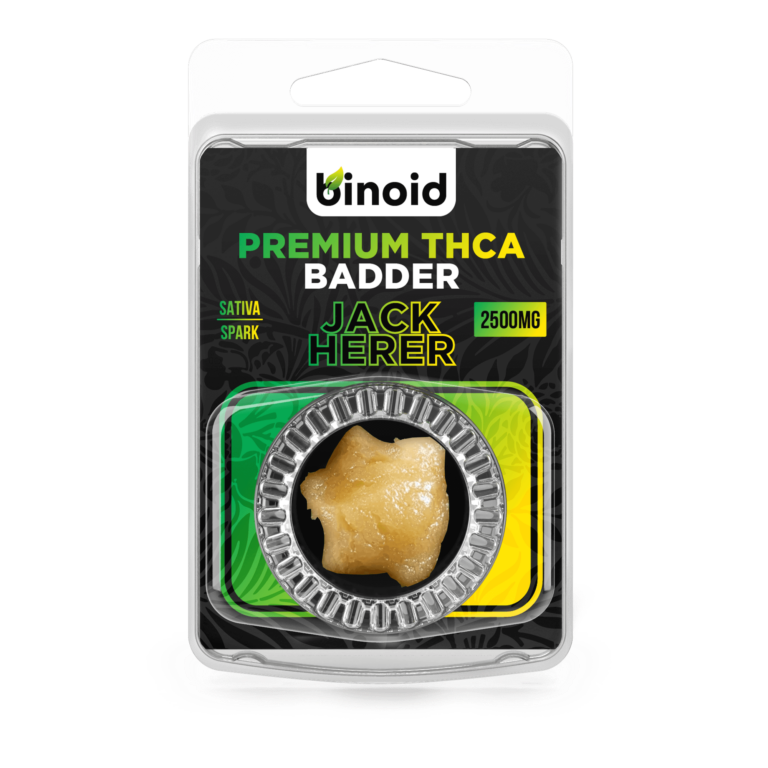
THCA badder (sometimes spelled as budder) is a type of hemp-derived concentrate known for its soft, creamy consistency that looks and feels a lot like cake batter or whipped butter. The name isn’t just clever branding; it’s a direct nod to how the product actually looks and feels.
Breaking Down the Basics
THCA, or tetrahydrocannabinolic acid, is the raw, non-psychoactive form of THC found naturally in the hemp plant. On its own, THCA won’t produce any psychoactive effects. The key change happens when it goes through decarboxylation (when heat is applied). During decarboxylation, THCA changes into Delta-9 THC. That’s the compound responsible for the effects most concentrate users are after.
How THCA Badder Differs From Other Concentrates
Where THCA badder stands apart from options like shatter or crumble is in its texture and finish. Shatter is hard and glassy. Crumble is dry and breaks apart easily. Badder lands somewhere in the middle. It is pliable, smooth, and easy to work with. That soft consistency makes it one of the more beginner-friendly concentrates to handle, even if the potency level is anything but beginner-grade.
How THCA Badder Is Made
The process behind THCA badder starts with solvent-based extraction, typically using butane or a similar hydrocarbon. This pulls the high quality THCA and other desirable compounds away from the plant material, leaving behind a concentrated extract.
The Role of Whipping and Agitation
What separates badder from other solvent-based extracts is what happens after extraction. The concentrate is whipped or agitated during the purging process, which introduces air into the mixture and breaks down the molecular structure. This is what gives THCA badder that signature creamy, butter-like consistency. The more it’s worked during this stage, the softer and smoother the final product tends to be.
Why the Process Matters for Purity
The purging step is just as important as the extraction itself. A properly purged THCA badder will have very low residual solvent levels, making it safer to consume. This is one of the main reasons why lab testing matters: it confirms that the purging was done correctly and that what’s in the jar is clean.
THCA Badder Texture: What to Expect
Texture is one of the first things you’ll notice when you open a jar of THCA badder, and it’s also one of the easiest ways to gauge quality before you even take a dab.
What Good THCA Badder Looks and Feels Like
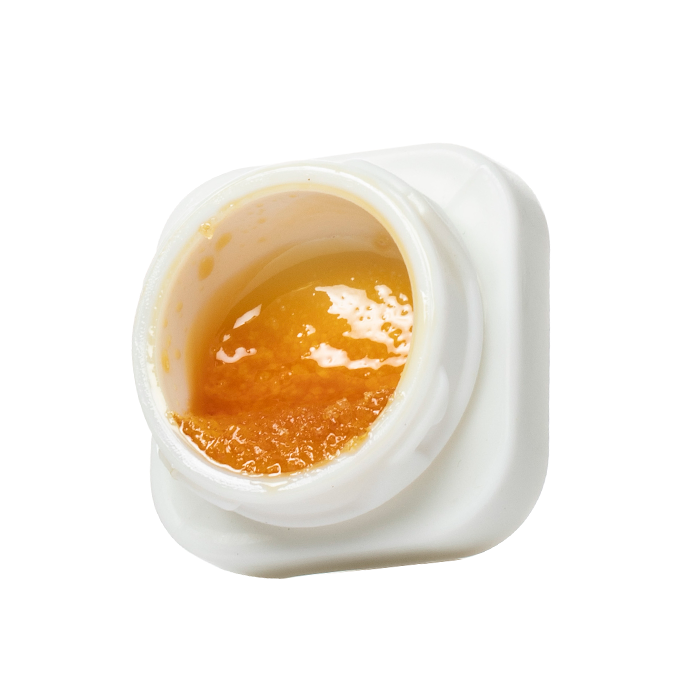
High-quality THCA badder typically has a smooth, uniform consistency with a color that ranges from light golden yellow to a slightly darker amber. It should be soft enough to scoop easily with a dab tool but not so wet that it drips or runs. When you work it between your fingers slightly, it should feel pliable, not crumbly or sticky like taffy.
How to Spot Low-Quality Badder
Poor-quality THCA badder often shows obvious warning signs. If it looks green, dark brown, or has an uneven texture with chunks or separation, those are red flags. An extremely wet or oily badder can indicate improper purging. Overly dry or crumbly badder suggests it may have been stored poorly or that the whipping process was rushed.
Storing Your THCA Badder the Right Way
THCA badder is sensitive to heat and light. Left at room temperature for too long, it can become too soft or begin to separate. The best practice is to store it in an airtight, opaque glass jar, kept in a cool, dark place. For longer-term storage, the refrigerator works well, but let it come back to room temperature before using it to restore its ideal consistency.
How Strong Is THCA Badder?
Potency is where THCA badder gets a lot of attention, and for good reason. This is a high-concentration product, and understanding how strong it actually is helps set realistic expectations.
Typical THCA Percentages in Badder
Most THCA badder products on the market test around 70% to 90% THCA by weight. Some premium extracts push closer to the higher end of that range. For comparison, high-potency hemp flower usually sits around 20% to 25% THCA, so the gap between flower and badder in terms of concentration is significant.
THCA to THC: How Strong Is It When You Apply Heat
When THCA badder is dabbed, vaped, or smoked, decarboxylation, which instantly converts the THCA into Delta-9 THC happens. This is why THCA badder produces psychoactive effects even though THCA in its raw form is non-intoxicating. The conversion rate isn’t perfectly 1:1, but the difference is small enough that the effective potency is still very high.
It’s also stronger than most standard vape cartridges, which typically range from 50% to 80% total cannabinoids. Among concentrates specifically, badder sits at a competitive potency level alongside other full-spectrum options like live resin and sauce.
THCA Badder vs. Other Concentrates: Which Format Is Right for You?
Not every concentrate is built the same, and THCA badder has some clear differences from its counterparts worth knowing before you commit.
Badder vs. Wax, Shatter, Sugar, and Live Resin
Wax is very similar to badder in texture but tends to be a bit firmer and less creamy. Shatter is brittle and hard, which makes it trickier to handle but often offers a very clean flavor. Sugar has a granular, wet texture and is known for being rich in terpenes. Live resin is extracted from fresh-frozen plant material, which preserves more of the original terpene profile compared to a standard badder. Though some badder products are made using live resin as the base.
Compared to the other four, THCA badder sits in a sweet spot. It’s easy to handle, high in potency, and available in a range of terpene profiles depending on how it was made.
Who THCA Badder Works Best For
THCA badder is a solid choice for people who dab regularly and want a concentrate that’s easy to portion and load. Its consistency makes it forgiving to work with, especially compared to shatter, which can shatter (literally) all over your setup. It’s also a good fit for flavor-focused users, as many badder products retain a solid terpene presence.
Who Might Want to Look at Other Options
If you’re brand new to concentrates entirely, the potency of THCA badder may be more than you need starting out. In that case, a standard hemp flower with a moderate THCA percentage is a gentler entry point. If you prefer maximum terpene preservation above all else, a live resin or live rosin product might be worth exploring first.
How to Use THCA Badder the Right Way
Getting the most out of THCA badder comes down to choosing the right method and being smart about how much you use.
Dabbing THCA Badder
Dabbing is the most popular way to use THCA badder, and it’s where this concentrate shines. You’ll need a dab rig, a nail or banger, and a dab tool. Heat the banger to your preferred temperature. Low-temp dabs in the 400–500°F range tend to preserve flavor, while higher temps produce thicker vapor. Scoop a small amount of badder with your dab tool, apply it to the hot surface, and inhale slowly. Start with a very small amount if you’re new to concentrate use.
Using THCA Badder in a Dab Pen
A dab pen or wax pen is a more portable option. Most wax pens can handle badder without any issues, just load a small amount into the chamber, set it to a medium heat setting, and you’re good to go. This is a convenient option for users who want a cleaner, more discreet setup.
Adding THCA Badder to Flower
THCA badder can also be added to a bowl or rolled into a joint along with ground flower. This is sometimes called “twaxing.” It’s a simple way to boost the overall potency of your session without needing a full dab setup. Just use a small amount. That little goes a long way.
Dosing Tips for First-Time Concentrate Users
Starting small is always the right call. A portion about the size of a grain of rice is a reasonable starting dose for anyone new to THCA badder. Wait and see how you feel before adding more. Concentrates hit faster and harder than flower, so patience pays off here.
Is THCA Badder Legal?
The legal landscape around THCA badder is worth understanding clearly, especially since it varies depending on where you live.
Federal Status Under the 2018 Farm Bill
Hemp-derived THCA badder falls under the same federal framework as other hemp products regulated by the 2018 Farm Bill. As long as the product is derived from hemp and the Delta-9 THC content is below 0.3% on a dry weight basis, it’s federally legal. THCA itself is not Delta-9 THC in its raw state, which is why many hemp-derived THCA products are sold legally across state lines.
Why State Laws Vary
Federal legality doesn’t automatically mean every state allows it. Some states have enacted their own restrictions on high-potency hemp derivatives, including THCA concentrates. Always check the current laws in your state before purchasing or using THCA badder. Laws in this space change frequently, so staying up to date matters.
Final Thoughts
THCA badder has earned its spot as one of the most sought-after concentrate formats available right now. It’s potent, versatile, and easy enough to work with that it appeals to regular dabbers and curious newcomers willing to take the step up from flower. The texture alone makes it stand out on a shelf, but it’s the combination of high THCA levels, solid terpene retention, and flexibility in how it can be used that makes it a genuine go-to for concentrate fans.
The key to getting the best experience with THCA badder is buying from a brand that prioritizes transparency, clear lab results, honest potency claims, and quality sourcing. Don’t rush the decision. Read the COA, check the reviews, and start with a small dose until you know how it works for you. When done and sourced right, THCA badder is one of the most satisfying concentrates in the game.
FAQs
Does THCA badder get you high?
On its own in raw form, THCA is non-intoxicating. When THCA badder is exposed to heat, through dabbing, vaping, or smoking, is when the THCA converts to Delta-9 THC. That conversion is what produces psychoactive effects. So yes, when used in its intended way, THCA badder does get you intoxicated.
How do you store THCA badder properly?
THCA badder should be kept in an airtight, opaque airtight glass container in a cool, dark environment. Avoid leaving it in direct sunlight or in warm areas, as heat causes it to soften and can degrade its quality over time. For extended storage, the refrigerator is a reliable option; just let it return to room temperature before using.
What is the shelf life of THCA badder?
When stored correctly, THCA badder can stay in good condition for several months. The main factors that shorten shelf life are heat, light, and air exposure. If the badder starts to look or smell off, changes in color, texture, or aroma; that’s a sign its quality has declined. Buying in quantities you can use within a reasonable timeframe is always the smarter move.
Is THCA badder safe to use?
THCA badder produced by reputable brands with full third-party lab testing is generally considered safe for adult use. The most important thing is confirming through a COA that the product is free of residual solvents, pesticides, and heavy metals. As with any high-potency product, using it responsibly and starting with a low dose is the best approach for a safe experience.
How is THCA badder different from live resin badder?
Standard THCA badder is made from dried and cured hemp material, while live resin badder starts with fresh-frozen plant material that was never dried. The fresh-freeze process preserves a much broader range of terpenes, which typically results in a more complex and aromatic flavor profile. Both are high-quality options, with the main difference coming down to flavor depth and how the source material was handled before extraction.