


Finding the best odor eliminator for smoke usually means sorting through a mix of sprays, natural remedies, and filtration tools that all claim to solve the same problem.
Some of these methods genuinely work, while others just mask odor temporarily without addressing the actual source.
This guide breaks down which approaches hold up, which fall short, and how combining a few methods produces the most reliable results.
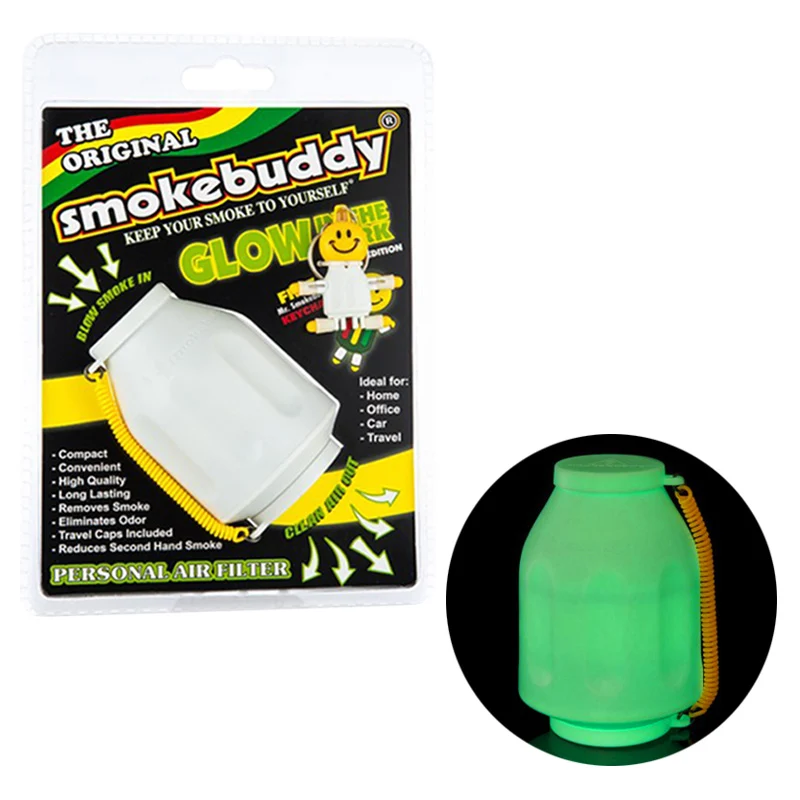
Before running through everything that actually works for smoke odor, Smokebuddy deserves a spot at the top of the list. Grab a personal air filter and use code SLY25 for 25% off. Worst case, the search for a real solution just got a whole lot shorter.
What Makes an Odor Eliminator Actually Effective
Not every product or method marketed as an odor solution actually removes odor at its source. Some simply cover one smell with another, which means the original odor returns once the fresh scent fades. Understanding this distinction is the first step toward identifying the best odor eliminator for smoke for any given situation.
Effectiveness also depends heavily on matching the method to the specific space and situation involved. A solution that works well in a small car might not do much in a larger room, and vice versa.
Considering both the mechanism behind a product and the environment it’s used in leads to far better results than picking something at random.
Neutralizing Odor Versus Masking It
Neutralizing odor means breaking down or capturing the actual particles responsible for the smell, rather than just introducing a competing scent. Baking soda, activated charcoal, and certain filtration methods work this way, targeting the source directly. This is generally what separates a genuinely effective solution from one that only provides temporary relief.
Masking, on the other hand, involves adding a stronger or more pleasant scent on top of the existing odor. While this can work in a pinch, the original smell typically returns once the masking scent wears off, since nothing was actually removed. Recognizing this difference helps set realistic expectations for any product being considered.
Matching the Method to the Space
Small, enclosed spaces like cars or closets respond well to compact solutions that don’t require much room to work. Larger spaces, like living rooms or bedrooms, often need a combination of methods since a single small scale solution won’t cover as much ground. Thinking through the size and airflow of a space before choosing a method saves time and avoids wasted effort.
Situations involving frequent exposure, like a home where smoking happens daily, generally call for more consistent and durable solutions compared to occasional or one time odor issues. Matching the intensity of the method to the frequency of exposure produces more sustainable long term results.
Filtration Based Odor Elimination
Filtration remains one of the most direct ways to stop odor before it ever spreads into a room. Rather than dealing with smoke after it settles into fabric and surfaces, filtration captures it at the source, which prevents a lot of the buildup that leads to persistent smell. This makes filtration a strong contender for the best odor eliminator for smoke in situations involving regular indoor use.
Different filtration options serve different needs depending on frequency of use and the size of the space involved. Understanding these differences helps narrow down which type of filtration actually fits a given situation.
Personal Filters for Immediate Source Control
Personal air filters capture smoke directly as it’s exhaled, which stops odor from ever reaching the surrounding air in meaningful amounts. This approach works particularly well for anyone dealing with regular indoor sessions, since it prevents the gradual buildup that leads to stubborn, lingering odor. A filter for smoking used consistently reduces both immediate smell and long term residue that would otherwise settle into furniture and walls.
Using a smoke filter at the source pairs well with other methods covered later, since it handles the bulk of the problem before it even has a chance to spread. This makes it a strong foundation for anyone building out a complete odor elimination approach.
Room Level Filtration Options
Standalone air purifiers, particularly those with activated carbon components, help manage residual odor that’s already circulating in a room. These devices work continuously in the background, which makes them useful for spaces where smoking happens somewhat regularly. Unlike personal filtration, these units address odor after it’s already present in the air rather than stopping it at the source.
Combining room level filtration with source based methods like personal filters tends to produce the most complete results. Each method covers a different stage of the odor problem, which is why relying on just one often leaves gaps.
Natural and Household Odor Eliminators
Several household items work surprisingly well at neutralizing smoke odor without requiring any specialized equipment. These options tend to be affordable and widely available, making them a practical starting point for anyone dealing with lingering smell. While they may not fully replace filtration, they play a strong supporting role.
These natural methods work best when applied consistently rather than as a one time fix. Building them into a regular cleaning routine produces far better long term results than occasional use.
Baking Soda and Activated Charcoal
Baking soda absorbs odor molecules rather than simply covering them up, which makes it genuinely effective on fabric, carpet, and upholstery.
Sprinkling it across a surface, letting it sit for several hours, and vacuuming it up afterward pulls a noticeable amount of trapped odor out of fibers. This process can be repeated regularly during periods of heavy odor buildup.
Activated charcoal works through a similar principle, trapping odor molecules within its porous structure rather than releasing a competing scent.
Placing bowls of activated charcoal in a room helps absorb ambient odor over time, making it a useful passive addition alongside more active methods like filtration.
Vinegar Based Solutions
A simple mixture of water and vinegar cuts through the oily residue that smoke leaves behind on hard surfaces like walls, countertops, and glass.
Wiping these surfaces down regularly prevents buildup from settling in permanently, which helps maintain results between deeper cleaning sessions. Vinegar’s acidity breaks down odor causing compounds rather than simply covering the smell with a stronger scent.
This method works particularly well as a complement to fabric focused solutions like baking soda, since it targets a different category of surface. Using both together covers most of the areas where smoke residue tends to accumulate.
Commercial Sprays and Their Limitations
Commercial odor sprays are widely available and often marketed as a quick fix, but their effectiveness varies significantly depending on the formula and the situation.
Many rely primarily on masking rather than neutralizing, which limits how long the results actually last. Understanding these limitations helps set realistic expectations before relying on sprays as a primary solution.
Sprays can still play a useful supporting role when used appropriately, particularly for quick, temporary situations rather than as a long term fix.
Why Sprays Often Fall Short
Many commercial sprays work by introducing a strong competing scent rather than actually breaking down the odor causing particles. This means the original smell often returns once the spray’s scent fades, sometimes within just a few hours. Relying solely on sprays without addressing the underlying source tends to produce inconsistent and short lived results.
Sprays also generally only address the air in a room rather than the surfaces where odor actually accumulates over time. Without pairing sprays with surface cleaning or filtration, the deeper source of the smell remains untouched.
When Sprays Actually Help
Sprays work best as a quick, temporary solution for situations like unexpected guests or a quick freshening before returning to a space. In these scenarios, a spray can provide immediate relief while more thorough methods are applied afterward. Treating sprays as a supplement rather than a standalone solution leads to more realistic and satisfying results.
Choosing sprays formulated specifically for smoke odor, rather than general air fresheners, tends to produce somewhat better results, though even these still work best alongside other methods covered here.
Sustainable and Long Term Odor Control Options
For anyone looking for a more sustainable approach, certain filtration options balance effectiveness with reduced environmental impact. These choices matter for people who use filtration regularly and want a long term solution that doesn’t generate excessive waste.
Sustainability doesn’t have to come at the cost of performance, since several eco conscious options provide comparable results to standard alternatives.
Eco Friendly Filtration Choices
An eco friendly air filter made from recycled materials offers effective odor and particle capture while reducing overall waste generated through regular use. These filters can typically be recycled again once their lifespan ends, which makes them a practical choice for anyone using filtration consistently over time. Choosing this option allows for effective odor control without contributing unnecessary plastic waste.
This kind of filter pairs well with the natural and surface based methods already covered, creating a well rounded approach that handles both source control and residual cleanup.
Paper Based and Biodegradable Options
A paper based filter offers a simpler, more biodegradable alternative for lighter or less frequent use. While its capacity may differ from other filter types, it still provides meaningful odor reduction for people who don’t need heavy duty, long lasting filtration. This option works well for occasional use or as a backup to a primary filtration method.
Comparing lifespan and capacity across different filter materials helps match the right option to actual usage habits, rather than defaulting to whichever option happens to be most convenient.
Building a Complete Odor Elimination Routine

The most effective approach to smoke odor rarely comes down to a single product or method. Combining filtration, natural remedies, and occasional spray use covers different stages of the problem, from immediate source control to lingering surface residue. Building these methods into a consistent routine produces far more reliable results than relying on any single solution.
Consistency matters more than intensity when it comes to long term odor control. A well maintained routine, applied regularly, tends to outperform sporadic deep cleaning sessions applied only when odor becomes noticeable.
Combining Multiple Methods
Using a personal filter during actual sessions, followed by baking soda treatments on fabric and vinegar wipes on hard surfaces, addresses odor at nearly every stage it can accumulate. Adding room level filtration for ongoing air quality rounds out a fairly complete system. This layered approach tends to be what people mean when searching for the best odor eliminator for smoke, since no single method covers every angle on its own.
Adjusting the combination based on frequency of use and the size of a space allows this approach to scale up or down as needed, whether for occasional use or a daily routine.
Maintenance and Consistency
Sticking to a regular schedule for cleaning surfaces, replacing filters, and refreshing natural odor absorbers like baking soda or charcoal keeps results consistent over time. Skipping maintenance for extended periods tends to allow odor to build back up, even when the initial cleaning was thorough. Treating odor control as an ongoing routine, rather than a one time fix, produces the most reliable long term results.
Final Thoughts
There isn’t one single product that solves smoke odor on its own, but combining filtration, natural remedies, and occasional spray use covers the problem from multiple angles. Source control through filtration prevents buildup before it starts, while surface cleaning and natural absorbers handle whatever remains. Keeping this routine consistent, rather than reactive, produces the most dependable results over time.
FAQs
Do air fresheners actually eliminate smoke odor or just cover it up?
Most air fresheners mask odor with a competing scent rather than breaking it down, which means the original smell typically returns once the fresh scent fades.
How often should baking soda treatments be repeated on fabric?
Repeating this process weekly during periods of heavy odor works well, though frequency can be reduced once the initial buildup has been addressed.
Is filtration necessary if natural remedies are already being used?
Filtration addresses odor at the source before it spreads, while natural remedies handle what’s already settled, so combining both tends to produce more complete results than relying on just one.
Are eco friendly filters less effective than standard options?
Eco friendly filters made from recycled materials generally offer comparable performance, making them a solid choice for anyone who wants effective results without the added waste.
What’s the fastest way to freshen a room before guests arrive?
A quick spray combined with opening a window for airflow provides fast temporary relief, though more thorough methods should still follow for longer lasting results.