


Managing secondhand smoke indoors takes a different approach than dealing with smoke outside, where wind and open space naturally carry particles away.
Indoor spaces trap smoke instead of dispersing it, which means it lingers in the air and settles onto nearby surfaces long after a session ends.
This guide covers the most effective ways to cut down on indoor exposure, from airflow adjustments to filtration tools that tackle the problem directly.
If reducing secondhand smoke indoors has been the goal, Smokebuddy makes a personal air filter built exactly for that. Use code SLY25 for 25% off and take one practical step toward a cleaner indoor environment.
Understanding the Real Risks of Secondhand Smoke Indoors
Before jumping into solutions, it helps to understand why indoor spaces behave so differently than open air environments. Walls, furniture, and limited airflow all work against natural dispersal, which means smoke sticks around far longer indoors than it would outside.
This is the main reason secondhand smoke indoors becomes such a persistent issue in homes and shared living spaces.
Reducing exposure starts with recognizing how much indoor conditions amplify the problem compared to outdoor settings. Even a short indoor session can leave particles circulating in the air for extended periods, especially in rooms without much natural airflow. Knowing this helps set realistic expectations for how much effort ventilation and separation actually require.
How Indoor Spaces Trap Smoke Differently Than Outdoor Areas
Enclosed rooms limit how quickly smoke can disperse, which allows particles to build up in concentration rather than spreading thin the way they would outside. Ceiling height, room size, and existing airflow all play a role in how fast or slow this buildup happens. Smaller rooms with low ceilings tend to trap secondhand smoke indoors much faster than larger, more open spaces.
Furniture and soft materials compound this issue by absorbing smoke particles directly, which means the smell and residue often outlast the visible smoke itself.
This is part of why simply waiting for smoke to clear isn’t always enough indoors. Active ventilation and separation strategies become necessary in a way they usually aren’t outdoors.
Who Is Most Affected By Indoor Exposure
People who spend the most time in a given space, whether that’s family members, roommates, or anyone working from home, face the highest level of ongoing exposure.
Shared living situations in particular create more opportunities for smoke to reach common areas like kitchens, hallways, and living rooms. Recognizing which household members spend the most time indoors helps prioritize where ventilation and separation efforts matter most.
Pets can also be affected by lingering particles in the air, even though this often gets overlooked in typical household planning. Considering every occupant of a space, not just the people directly involved in a session, leads to a more complete approach to reducing exposure overall.
Ventilation Strategies That Cut Down Exposure
Airflow remains one of the most direct tools for managing secondhand smoke indoors, since moving air prevents particles from settling and concentrating in one place. While ventilation alone won’t eliminate every trace of smoke, it significantly reduces how much builds up over time. Combining multiple airflow strategies produces far better results than relying on a single method.
Consistency matters here just as much as the specific technique used. A one time burst of fresh air helps in the moment, but ongoing airflow throughout the day produces much more noticeable long term results.
Cross Airflow and Window Placement
Opening windows on opposite sides of a room creates a path for air to move through rather than just sit and slowly exchange. This kind of cross airflow clears secondhand smoke indoors far more efficiently than a single open window ever could.
Even short bursts of cross ventilation, done consistently throughout the day, add up to a noticeable difference over time.
Positioning matters as well, since windows near where smoking actually happens will clear particles faster than windows on the opposite end of a home. Thinking through window placement in relation to where smoke originates helps maximize the benefit of this simple strategy.
Mechanical Ventilation and Exhaust Fans
Exhaust fans, especially those vented directly outside rather than just recirculating indoor air, provide a more consistent solution than windows alone.
Bathroom and kitchen exhaust fans can sometimes be repurposed to help clear nearby rooms if positioned correctly. This kind of mechanical ventilation works around the clock without requiring constant manual adjustment.
Combining exhaust fans with natural airflow from windows creates a layered approach that handles both immediate clearing and ongoing air movement. This combination tends to outperform either method used entirely on its own.
Creating Physical Separation Between Smoking and Living Areas
Beyond airflow, physical separation plays a major role in limiting how far secondhand smoke indoors actually travels.
Keeping smoking confined to a specific area, rather than letting it happen throughout a home, dramatically reduces how many rooms end up affected. This approach works especially well in larger homes with multiple rooms available.
Separation doesn’t need to be complicated or require major renovations. Simple adjustments to where smoking happens, combined with basic barriers like closed doors, go a long way toward containing exposure.
Designated Smoking Zones Within a Home
Choosing one specific room, porch, or outdoor adjacent space as the only spot for smoking limits how far smoke can spread throughout the rest of a home.
This single change often does more to reduce overall exposure than any other adjustment, since it prevents smoke from ever reaching untouched areas in the first place. Consistency in using this designated zone matters more than the specific location chosen.
Rooms with their own ventilation, like a porch or a room with a dedicated exhaust fan, work especially well as designated zones. This setup naturally limits how much smoke ever reaches shared living spaces like kitchens or bedrooms.
Sealing Off Shared Spaces
Closing doors between a designated smoking area and the rest of a home prevents smoke from drifting into hallways and common rooms.
Placing a towel or draft stopper along the bottom of a door adds an extra layer of separation for spaces with gaps underneath. These small adjustments help contain secondhand smoke indoors to a single area rather than letting it spread freely.
Weatherstripping around doors, originally designed for temperature control, doubles as an effective barrier against smoke drifting between rooms. This kind of low cost adjustment pairs well with a designated smoking zone to keep exposure contained.
Filtration Tools That Reduce Indoor Smoke Exposure
Ventilation and separation handle a lot of the problem, but filtration tackles smoke directly at the source before it ever spreads into a room. This makes filtration a valuable addition for anyone dealing with secondhand smoke indoors on a regular basis, especially in shared or smaller living spaces.
Personal air filters capture smoke as it’s exhaled rather than letting it enter the surrounding air at all. This approach cuts down significantly on how much particle buildup ever reaches furniture, walls, or nearby occupants in a shared space.
Personal Filtration at the Source
A filter for smoking used consistently during indoor sessions reduces exposure for everyone else sharing the space, not just the person smoking. Since these devices capture smoke directly rather than relying on airflow to clear it afterward, they work well even in rooms with limited ventilation options. A smoke filter designed for personal use pairs effectively with a designated smoking zone, adding another layer of protection for the rest of a home.
Using a personal filter for smoking consistently, rather than only when convenient, produces the most noticeable reduction in how much secondhand smoke indoors ever reaches shared areas.
Sustainable Filter Choices for Everyday Use
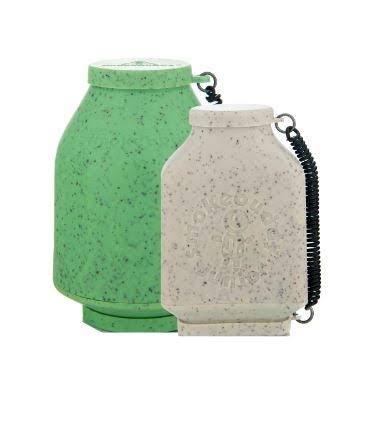
An eco friendly air filter made from recycled materials provides effective filtration while reducing overall waste, which appeals to households trying to balance discretion with sustainability. These filters can typically be recycled again once their lifespan ends, making them a practical long term choice for regular use.
A paper based filter offers a simpler, biodegradable alternative for lighter or less frequent indoor sessions. While capacity may be lower than other filter types, this option still meaningfully reduces the amount of smoke that reaches the surrounding air.
Building Long Term Habits to Protect Indoor Air Quality
Reducing secondhand smoke indoors over the long run depends more on consistent habits than any single big change. Ventilation, separation, and filtration all work best when applied together as part of a regular routine rather than occasional fixes.
Building these habits takes some initial adjustment, but they become automatic fairly quickly once established as part of a daily routine.
Consistent Routines That Limit Buildup
Sticking to the same designated smoking area, ventilation routine, and filtration habit every session prevents gradual buildup that can happen when methods are applied inconsistently. This routine also makes it easier to notice when something isn’t working, since a consistent baseline highlights unusual changes in smell or air quality. Treating these habits as a fixed part of daily life, rather than something to remember occasionally, produces the best results.
Reassessing the routine periodically, especially after moving to a new space or changing household dynamics, helps keep the approach effective over time.
Involving Everyone in the Household
Getting agreement from everyone sharing a living space on where and when smoking happens makes separation and ventilation efforts far more consistent. This kind of shared understanding prevents mixed habits that can undermine otherwise solid ventilation and filtration routines. Clear expectations among household members reduce confusion and keep exposure levels predictable.
Involving everyone also means household members can flag issues early, like a door left open or a filter that needs replacing, before secondhand smoke indoors becomes a bigger problem than it needs to be.
Final Thoughts
Cutting down on indoor exposure comes down to combining a few consistent strategies rather than relying on any single fix. Airflow, physical separation, and filtration each address a different part of the problem, and using them together produces far better results than any one method alone. Building these into a daily routine, with everyone in a household on the same page, keeps results consistent over time.
FAQs
How long does secondhand smoke linger in an indoor space?
Depending on ventilation and room size, particles can remain in the air and on surfaces for hours or even days, which is why active ventilation and filtration make such a noticeable difference indoors.
Does opening a single window do much to help?
A single window helps somewhat, but combining it with a second window on the opposite side of a room for proper cross airflow produces significantly better results.
Can a designated smoking area fully prevent exposure in other rooms?
A well chosen designated area combined with a closed door and some ventilation greatly reduces exposure elsewhere, though it works best when paired with filtration for the most complete results.
Are recycled or paper based filters as effective as other options?
These options generally provide solid odor and particle reduction for regular use, making them a practical and more sustainable alternative to standard disposable filters.
What’s the most effective single change a household can make?
Establishing a consistent designated smoking zone tends to produce the biggest overall improvement, since it limits how far smoke travels before ventilation and filtration even come into play.