


Figuring out how to smoke discreetly comes down to two separate problems that need separate solutions. One is odor, which lingers and travels far beyond where a session actually happens.
The other is visibility, which has nothing to do with smell and everything to do with timing, location, and how obvious the smoke itself looks.
Solving both at once is what actually makes a session go unnoticed, and that’s exactly what this guide breaks down.
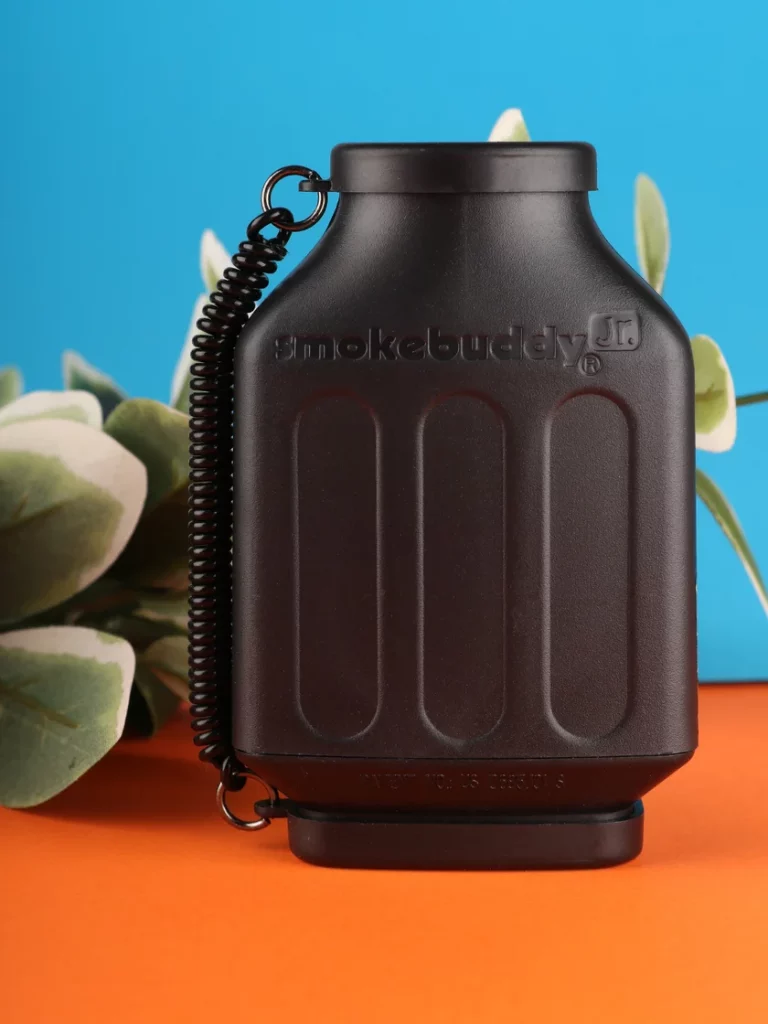
Before getting into every method for smoking discreetly, Smokebuddy is worth knowing about. A personal air filter goes a long way toward keeping both odor and visibility under control. Use code SLY25 for 25% off and start there.
What Discreet Smoking Actually Means
A lot of people assume discretion is just about hiding the act itself, but that’s only half the picture. Real discretion means controlling what happens after the smoke leaves, not just avoiding getting caught in the moment.
Odor sticks around long after a session ends, which means the smell itself can give things away even when nobody actually witnessed anything.
Learning how to smoke discreetly means thinking a few steps ahead instead of just reacting in the moment. It’s about anticipating where the smell will travel, how long it lingers, and who might notice a visible cloud drifting through a space.
Once both odor and visibility are treated as separate challenges, the whole approach becomes a lot more manageable.
Balancing Odor Control And Visibility
Odor control and visibility control don’t always require the same fix, which is why treating them as one single problem tends to backfire.
A spot that hides visibility well, like a closet or a car with the windows up, often traps odor even worse than an open space would. That means picking a location has to account for both factors, not just one.
The best approach usually blends the two rather than picking an extreme. A partially enclosed space with some airflow, like a porch with a roof or a garage with the door cracked, tends to strike a better balance than either a fully open yard or a sealed closet.
Getting this balance right is often what separates a smooth session from one that draws unwanted attention.
Why Location Changes Everything
The same techniques for how to smoke discreetly can produce completely different results depending on where they’re used. An apartment with thin walls and shared hallways presents a very different challenge than a house with a private yard.
Recognizing these differences ahead of time helps avoid mistakes that seem obvious only in hindsight.
Shared living spaces, in particular, require more planning since neighbors, roommates, or building staff can notice both smell and smoke drifting through common areas.
Adjusting habits based on the specific environment, rather than relying on one universal method, produces far more consistent results across different situations.
Reducing Smoke Odor Before It Spreads
Cutting off odor before it has a chance to spread is one of the most effective parts of learning how to smoke discreetly.
Once smoke particles settle into fabric, air, or nearby surfaces, getting rid of the smell becomes a much bigger task. Addressing the problem at the source saves time and effort later.
This starts with paying attention to the environment during the actual session, not just cleaning up afterward. Small adjustments made in the moment, like where someone stands or how airflow is set up, make a noticeable difference in how far odor actually travels.
Timing And Environment Matter
Smoking right before opening a window, rather than after, lets odor escape as it’s produced instead of building up first.
Choosing times when fewer people are around, like early morning or late evening, also reduces the chances of smell reaching shared spaces where others might notice. Environment plays just as big a role as timing when it comes to keeping things low key.
A room with good natural airflow disperses smoke far faster than an enclosed space ever could. Combining smart timing with an environment that already has decent ventilation cuts down significantly on how noticeable a session ends up being.
These two factors working together tend to matter more than any single trick on its own.
Using Filtration To Cut Odor At The Source
Personal air filters offer one of the most direct ways to manage odor since they capture smoke as it’s exhaled, rather than letting it spread into a room first.
This approach works well for anyone trying to figure out how to smoke discreetly in shared living situations or smaller spaces where airflow is limited. Capturing smoke at the source means less residue ends up settling into furniture, curtains, or walls.
A filter for smoking indoors reduces both the smell in the immediate area and the amount of cleanup needed afterward. Since these devices trap odor directly rather than relying on ventilation to handle it later, they pair well with good timing and environment choices already covered.
Staying Out Of Sight Without Overthinking It
Visibility control doesn’t need to be complicated, but it does require paying attention to a few consistent details. Most people who get noticed while smoking aren’t caught because of odor, they’re caught because of visible smoke or poor timing. Addressing this side of the equation is just as important as odor management.
Small adjustments to timing, location, and technique reduce visibility without requiring anything elaborate. These changes tend to become second nature fairly quickly once they’re built into a regular routine.
Choosing Low Traffic Times And Spots
Picking times when foot traffic is lowest, whether that’s early morning, late at night, or during typical work hours, reduces the odds of being seen entirely. Spots with limited visibility from windows, doorways, or common walkways add another layer of protection without requiring any special equipment. Combining both factors tends to work better than relying on just one.
Consistency here matters since a spot that works well once might not work at a different time of day due to changes in foot traffic or lighting. Reassessing a location periodically, rather than assuming it always works the same way, keeps things running smoothly over time.
Minimizing Visible Smoke Clouds
Smaller, more controlled exhales produce far less visible smoke than large, forceful ones. Exhaling downward or toward an open space, rather than straight up or into a room, also helps smoke disperse faster and become less noticeable. These small technique adjustments make a real difference in situations where visibility matters more than usual.
Practicing controlled breathing during a session takes very little effort once it becomes a habit. Over time, this reduces the visible footprint of each session significantly, which pairs well with choosing lower traffic times and locations.
Tools That Make Discretion Easier
Beyond timing, location, and technique, certain tools make the entire process of how to smoke discreetly considerably easier to manage. These tools handle odor directly, which frees up mental bandwidth that would otherwise go toward constantly monitoring smell and cleanup.
Choosing the right tool often depends on lifestyle and how frequently discretion is needed. Someone smoking occasionally has different needs than someone doing it daily in a shared space.
Personal Filters For On The Go Use
A smoke filter built for portability works well for anyone who needs discretion outside the home, whether that’s in a car, at a friend’s place, or while traveling. These devices are compact enough to carry easily while still providing meaningful odor reduction on the spot.
Using a personal filter for smoking during on the go situations removes a lot of the guesswork involved in finding a discreet location every single time.
This kind of tool pairs especially well with the timing and location strategies already mentioned, since it adds an extra layer of control regardless of where a session actually happens.
Eco Friendly And Paper Based Options
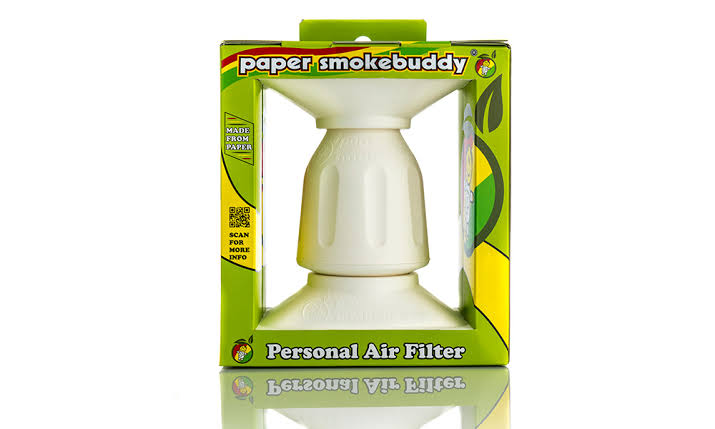
For those who prioritize sustainability, an eco friendly air filter made from recycled materials offers effective odor control without generating unnecessary waste. These options typically use materials that can be recycled again once their lifespan runs out, which appeals to anyone trying to reduce their overall environmental footprint.
A paper based filter provides a simpler, more biodegradable alternative for lighter or occasional use. While capacity may differ from other filter types, this option still delivers solid odor reduction for people who don’t need heavy duty, long lasting filtration.
Habits That Keep Things Low Key Long Term
Long term discretion comes down to consistent habits rather than occasional effort. Building a routine around timing, location, and filtration turns discretion into something automatic rather than something that requires constant thought.
These habits compound over time, which means the effort required tends to decrease the longer they’re maintained.
Building A Consistent Routine
Sticking to a similar time, location, and method each session builds familiarity that makes discretion feel effortless after a while. This routine also makes it easier to spot when something feels off, like a new source of foot traffic or a change in airflow, since deviations become obvious against a consistent baseline.
Building this kind of routine takes a bit of trial and error at first, but it pays off significantly once the right combination of factors is locked in.
Cleaning Up After Each Session
Wiping down surfaces and airing out a space immediately after a session prevents residual odor from building up over time. This habit matters just as much as filtration and timing since leftover smell can undo discretion efforts even when everything else was handled well. Making cleanup part of the routine, rather than an afterthought, keeps things consistent session after session.
Final Thoughts
Learning to manage odor and visibility at the same time is what actually makes discretion work, rather than focusing on just one side of the equation. Timing, location, filtration, and cleanup all play a role, and combining them consistently produces far better results than relying on any single method alone. Building these habits into a routine turns discretion into something automatic rather than a constant source of stress.
FAQs
What’s the biggest mistake people make when trying to be discreet while smoking?
Focusing only on hiding the visible act while ignoring odor is one of the most common mistakes, since smell often lingers and travels well beyond the moment a session actually took place.
Does location matter more than timing?
Both factors matter significantly, and combining a good location with smart timing tends to produce much better results than relying heavily on just one of the two.
Can filtration completely eliminate the need for good ventilation?
Filtration reduces odor significantly, but pairing it with decent airflow still produces the most consistent results, especially in smaller or enclosed spaces.
How often should cleanup happen to keep a space odor free?
Cleaning up immediately after each session, rather than waiting until odor becomes noticeable, tends to prevent buildup and keeps a space consistently fresh.
Are eco friendly filters as effective as standard ones?
Eco friendly filters made from recycled materials generally provide comparable odor control, making them a solid option for anyone who wants effective filtration without the added waste.