

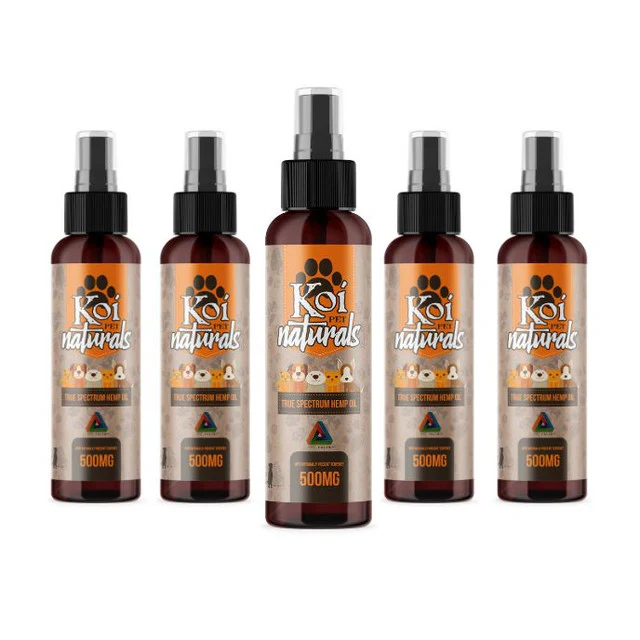
CBD products made for pets have grown into their own category, separate from human CBD products in both formulation and dosing.
This guide covers the different forms available, what ingredients to look for, and what pet owners should keep in mind before introducing CBD into a pet’s routine.
Nothing here should be treated as veterinary advice or a guarantee of results.
If CBD products have been sitting on the maybe list for a while, Koi CBD is a solid place to finally pull the trigger. Use code SLYNG20 for 20% off the order. Worst case, you crossed something off the list at a discount.
What CBD for Pets Actually Is
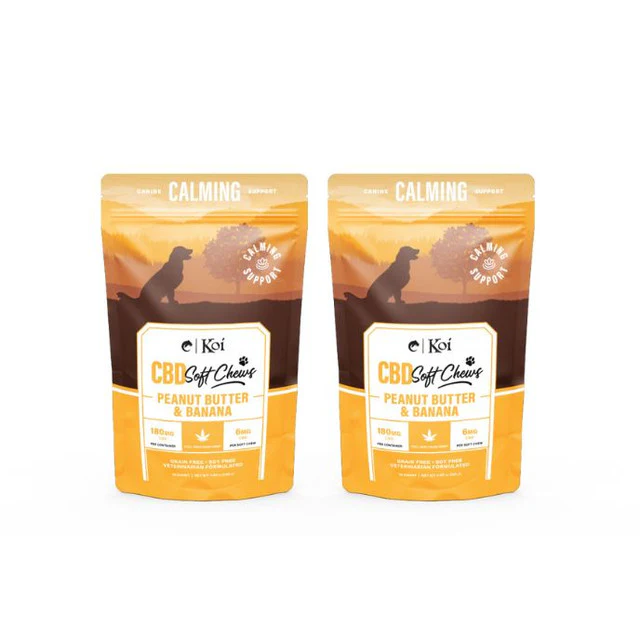
CBD for pets refers to hemp-derived cannabidiol products formulated specifically for animals, most commonly dogs and cats.
These products are built differently than their human counterparts, since animal bodies process compounds at different rates and in different ways depending on species, size, and metabolism.
A formula designed for a person is not automatically safe or appropriate for a pet, which is why this category exists as its own separate space within the broader hemp product market.
The rise of CBD for pets tracks closely with the growth of CBD products for humans, since a lot of interest in trying it with animals came from owners who were already using CBD themselves.
As demand grew, companies began developing dedicated pet lines with adjusted potency levels, pet-friendly flavors, and ingredients considered safe for animal consumption.
This shift turned what used to be a niche experiment into a full category with its own standards and expectations.
How It Differs From Human CBD Products
The biggest difference between CBD for pets and the best CBD gummies made for people comes down to concentration and serving size.
Pet products are almost always formulated at lower potency per serving, since animals typically weigh less than adult humans and process compounds differently.
Flavoring also changes significantly, with pet products favoring bacon, chicken, or peanut butter flavors instead of the fruit or mint flavors common in human products.
These adjustments are not just marketing choices, they reflect real differences in how the product needs to function for its intended user.
Why Pet Owners Started Looking Into It
Interest in CBD for pets grew alongside broader curiosity about natural, plant-based options across many parts of daily life.
Owners who noticed changes in their own routines after trying CBD products naturally began wondering whether something similar could apply to their animals.
This curiosity, combined with more visible marketing and wider retail availability, pushed CBD for pets from a fringe idea into something now sold in mainstream pet stores and veterinary offices alike.
Common Forms of CBD for Pets
CBD for pets is not a single type of product. It comes in a handful of common forms, each suited to different situations and different animals.
Understanding the differences helps an owner figure out what might actually fit into their pet’s routine without unnecessary guesswork.
CBD Oils and Tinctures
Oil-based CBD products are among the most common forms of CBD for pets, typically administered by dropper directly into the mouth or mixed into food.
This format allows for more precise control over serving size, since drops can be measured out based on a pet’s weight and the concentration of the product.
Oils tend to work well for owners who want flexibility in adjusting amounts gradually rather than being locked into a fixed serving size like a chew or treat.
CBD Chews and Treats
Chews and soft treats are a popular alternative for pets that resist oil administration or owners who prefer a simpler routine.
These products are formulated with pre-measured amounts of CBD per piece, which removes some of the guesswork involved with tinctures.
Flavor plays a much bigger role here, since a treat that a pet refuses to eat is not useful no matter how well it is formulated. Bacon, chicken, and peanut butter remain some of the most common flavors used across this category.
Topical CBD Products for Pets
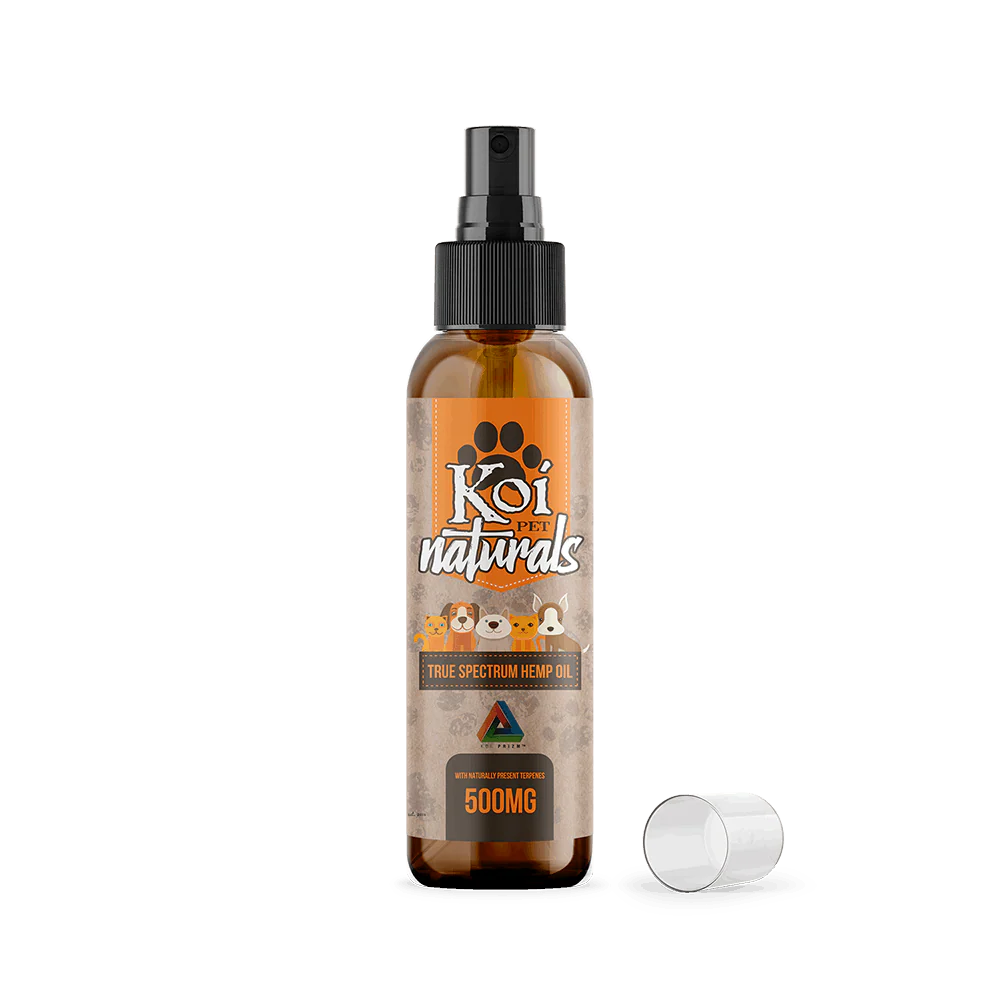
Topical products, including balms and sprays, are less common than oils and chews but do exist for pet owners looking for something applied directly to the skin or coat rather than ingested.
These are typically used on specific areas rather than for general use, similar to how topical products function for humans.
Application requires a bit more attention with animals, since pets may lick a topical off before it has a chance to fully absorb.
What to Look for in a Quality Pet CBD Product
Not every CBD product marketed toward pets is made with the same level of care. A few specific details separate more trustworthy products from ones that cut corners, and pet owners benefit from knowing what those details look like before making a purchase.
Third-Party Lab Testing
Just like CBD products made for humans, pet formulas should come with lab testing from an independent, accredited laboratory.
These tests confirm both the CBD content listed on the label and screen for contaminants like heavy metals, pesticides, and microbial issues.
Since pets cannot describe how a product affects them the way a person can, having verified lab results becomes even more important as a baseline check before use.
Ingredient Transparency
A clear, specific ingredient list is another good indicator of quality. Products that name their carrier oils, flavoring sources, and extract type directly tend to reflect a brand that takes formulation seriously.
Vague ingredient descriptions or unclear sourcing information are worth treating with caution, since pet owners have less room for trial and error compared to human users trying a new product themselves.
THC Content and Extract Type
Full spectrum, broad spectrum, and isolate extracts all show up in pet products, similar to the human CBD market.
THC content matters more with animals than with people, since pets are generally more sensitive to THC and even trace amounts found in full spectrum products can affect them differently.
Many pet-specific brands lean toward broad spectrum or isolate formulas specifically to minimize any THC exposure, given how differently animals metabolize the compound compared to humans.
Considerations Before Trying CBD for Pets
Introducing any new product into a pet’s routine deserves some thought beforehand, and CBD is no exception. A few practical considerations can help pet owners approach this decision more carefully.
Every Animal Is Different
Just like with people, animals can respond differently to the same product based on size, breed, age, and overall health.
A formula that seems to work well for one dog may not produce the same experience in another, even at a similar dose.
This variability is part of why starting with smaller amounts and paying close attention to how a pet responds tends to be a more sensible approach than jumping straight to a higher serving size.
The Importance of Veterinary Guidance
A veterinarian should always be part of the conversation before introducing CBD to a pet’s routine, especially for animals with existing health conditions or those already taking medication.
Veterinarians can offer guidance specific to an individual animal’s situation in a way that generic product labeling cannot.
This step matters regardless of how well-reviewed or well-tested a specific product might be, since every animal’s circumstances are different.
Final Thoughts
CBD for pets has developed into a distinct category with its own formulations, dosing standards, and product types built specifically around animal needs rather than borrowed directly from human products.
Oils, chews, and topicals each offer a different way to introduce CBD into a pet’s routine, and quality varies significantly depending on lab testing, ingredient transparency, and extract type.
Pet owners who take the time to research these details, and who loop in a veterinarian before starting, are in a much better position to make an informed decision for their animal.
FAQs
What forms does CBD for pets typically come in?
CBD for pets is most commonly available as oils and tinctures, chews or treats, and topical products like balms, each suited to different situations and animal preferences.
Is CBD for pets the same as CBD for humans?
No. Formulas for the CBD for pets are typically lower in concentration, use different flavoring suited to animals, and are built around dosing appropriate for smaller body sizes and different metabolisms.
Why does THC content matter more for pets?
Animals tend to be more sensitive to THC than humans, so many pet-specific products use broad spectrum or isolate extracts to minimize any THC exposure.
Should a veterinarian be consulted before giving a pet CBD?
Yes. A veterinarian can offer guidance specific to an individual animal’s health history, which is especially important for pets with existing conditions or those on medication.
How can pet owners verify a CBD product’s quality?
Checking for third-party lab testing results and a clear, specific ingredient list are two of the most reliable ways to evaluate a pet CBD product before purchasing.