

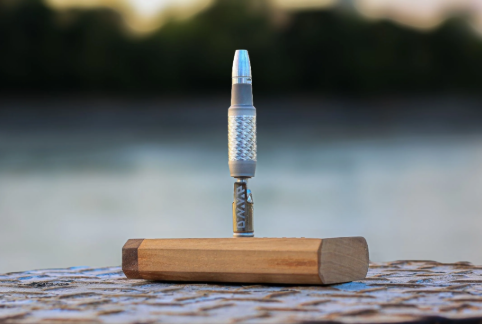
Switching from combustion to a vaporizer for dry herbs is one of those changes that feels small on paper but shows up in a big way the first time it’s tried.
The taste is cleaner, the smoke is replaced with actual vapor, and the whole process feels more controlled from start to finish.
For anyone stepping into this for the first time, understanding the basics ahead of time makes that first session go a lot smoother.
Better flavor, less waste, and something discreet enough to take anywhere .That is exactly what DynaVap has been building toward. Use code 26DYNA26 for 20% off and see what that looks like in practice. Worst case, you upgraded your setup for less.
What a Vaporizer for Dry Herbs Actually Does

A vaporizer for dry herbs works by heating plant material to a temperature that releases active compounds without burning the material itself.
This is the core difference between vaping and smoking, since smoking relies on combustion, which creates smoke, ash, and a harsher overall experience. Heating instead of burning keeps the process gentler on the material and produces a much smoother inhale.
This kind of device typically falls into one of two heating styles, conduction or convection, or sometimes a blend of the two.
Conduction heats the material through direct contact with a hot surface, while convection passes heated air through the material to extract compounds more evenly. Some devices lean fully into one style, while others combine both to balance speed with even extraction across the whole load.
Why Heat Matters More Than People Expect
Temperature control plays a bigger role in the final experience than most beginners realize going in. Heat that’s too low won’t fully activate the material, while heat that’s too high can start to burn it and produce a harsher, less flavorful hit.
Devices that give clear feedback, like an audible click or a temperature readout, take a lot of the guesswork out of finding that middle ground.
Consistent heat also affects how much is pulled from each load before it needs to be replaced. Material that’s heated evenly and at the right temperature tends to get used more completely, which means fewer reloads and less waste over time.
This is one of the bigger practical advantages that draws people away from combustion in the first place.
Types of Devices Worth Knowing About
Not every vaporizer for dry herbs looks or functions the same way, and understanding the differences helps narrow down what fits a particular routine.
Some run on batteries with digital displays, while others use external heat sources like a torch or induction heater and skip batteries entirely. Each style comes with its own learning curve and its own set of tradeoffs worth weighing.
Anyone comparing options across a dry herb vaporizer store will notice the range runs from simple, pocket-sized units to larger devices built for longer, more deliberate sessions.
Battery-powered options tend to offer app connectivity or preset temperature settings, which some new users find easier to start with. Battery-free options rely on manual heat application and physical feedback, which takes a bit more practice but tends to be more durable over time.
Portable Versus Session-Style Devices
Portable devices are built for quick use and easy transport, usually favoring a smaller chamber and a compact shape that fits in a pocket or bag without issue.
These are a solid fit for people who want short, efficient sessions without carrying around extra bulk. The tradeoff is usually a smaller bowl size, which means more frequent reloading during longer sessions.
Session-style devices take the opposite approach, built around a larger chamber meant for extended use without constant reloading. These tend to be a better fit for people who prefer settling into one longer session rather than several shorter ones throughout the day.
They’re generally a bit larger and less pocket-friendly, but the tradeoff comes with fewer interruptions once a session gets going.
Material and Build Quality Differences
The materials used in construction affect both durability and the quality of the vapor produced. Titanium and medical-grade stainless steel are common choices because they hold up well to repeated heating and don’t affect flavor. Glass is another material worth knowing about, since it’s chemically inert and often used in mouthpieces or full-body designs for a cleaner taste.
A glass dry herb vaporizer is often favored by people who care most about flavor purity, since glass doesn’t retain residue or alter taste the way some other materials can over time.
The main tradeoff with glass is fragility, since it requires a bit more care during handling and storage compared to metal components. For those willing to be a little more careful, the flavor payoff tends to be worth it.
Getting Comfortable With a First Session
The first few sessions with a vaporizer for dry herbs usually involve some trial and error, and that’s completely normal.
Grind consistency, load size, and draw speed all affect how the session turns out, and dialing these in takes a little bit of practice. Starting with a medium grind and a moderate load size is a reasonable place to begin before adjusting from there.
Loading too loosely can let heat pass through without fully engaging the material, while packing too tightly can restrict airflow and make it harder to draw.
A light, even pack that fills the chamber without pressing down hard tends to strike the right balance. This small adjustment alone can noticeably improve how consistent each hit feels.
Reading the Signals Your Device Gives You
Many devices, especially battery-free ones, use some kind of signal to indicate when the optimal temperature has been reached.
This might be an audible click, a color change, or a timed cycle depending on the specific device. Learning to recognize and respond to that signal quickly becomes second nature after a handful of sessions.
Ignoring these signals often leads to either underheating, which wastes material without much payoff, or overheating, which can produce a harsher taste.
Paying attention early on helps build a feel for timing that eventually becomes automatic. Most new users report needing just a few sessions before this timing starts to feel natural.
Draw Technique Makes a Real Difference
How a person draws from the device affects the outcome just as much as the heating itself. Slow, steady inhales tend to produce smoother, more even vapor compared to quick, sharp pulls that can disrupt airflow through the chamber.
This is a simple adjustment, but it’s one of the most commonly overlooked details by people who are new to vaping dry material.
Airflow settings, when available, let users fine-tune resistance to match personal preference. A more open airflow setting tends to favor lighter, more flavorful pulls, while a restricted setting can produce denser vapor with a bit more resistance.
Testing both ends of that range during early sessions helps identify which feel is preferred going forward.
Choosing What Actually Fits a Routine

With so many options available, picking the best dry herb vaporizer really comes down to matching a device to how it will actually be used day to day.
Someone who values portability above all else should prioritize compact, lightweight designs over larger session-style units. Someone who wants a set-it-and-forget-it experience might lean toward digital temperature control instead of manual heat application.
Budget is another factor that shapes the decision early on. Entry-level devices tend to cover the basics well without the added features found in premium models, which can be a reasonable starting point for someone still figuring out their preferences.
As comfort and familiarity grow, upgrading to a device with more customization becomes easier to justify.
Maintenance Expectations Going In
Every vaporizer for dry herbs needs some level of regular cleaning to keep performance consistent over time.
Residue buildup inside the chamber can affect airflow and start to dull flavor if it’s left unaddressed for too long. Most devices only need a light brushing after each session and a deeper clean every week or two, depending on frequency of use.
Removable parts like screens, mouthpieces, and chambers are usually the easiest to clean and typically just need a soak in isopropyl alcohol followed by a rinse and full dry.
Skipping this step for extended periods is one of the most common reasons new users report a decline in flavor or performance. A simple, consistent cleaning routine keeps the device performing the way it did on day one.
Final Thoughts
Starting out with a vaporizer for dry herbs comes with a short learning curve, but most of it comes down to a handful of details, grind consistency, load size, draw technique, and paying attention to heat signals.
Once those basics click into place, the whole process starts to feel intuitive rather than technical.
Taking time to understand these fundamentals early on leads to a smoother, more enjoyable experience from the very first session onward.
FAQs
How long does it take to get used to a dry herb vaporizer?
Most new users start to feel comfortable within their first few sessions, especially once they get a feel for load size and draw technique. Full confidence usually comes within the first week or two of regular use.
Is a battery-free vaporizer harder to use than a digital one?
Battery-free devices require a slightly different learning curve since they rely on manual heat application and physical feedback instead of preset digital settings. Neither style is inherently harder, they just require different habits to get comfortable with.
Does grind size really affect the outcome?
Yes, grind size has a noticeable effect on airflow and how evenly heat reaches the material. A medium grind tends to work well for most devices, offering a balance between airflow and surface area.
How often should a dry herb vaporizer be cleaned?
A light cleaning after each session helps prevent residue buildup, while a deeper clean every week or two keeps performance and flavor consistent over time. Frequency of use should guide how often deeper cleaning is needed.
Can a dry herb vaporizer be used with concentrates too?
Some devices support concentrates with the right attachment or adaptor, though this varies by design. Checking compatibility before attempting to use concentrates helps avoid damaging a device built primarily for dry material.