

Anyone who smokes regularly knows the difference between a good session and a disappointing one usually comes down to one thing, freshness.
A fresh flower preroll should smell strong, burn evenly, and deliver flavor from the first hit to the last.
When a preroll has gone stale, none of that happens, and the whole experience falls flat. Learning what freshness actually looks like takes the guesswork out of every purchase.
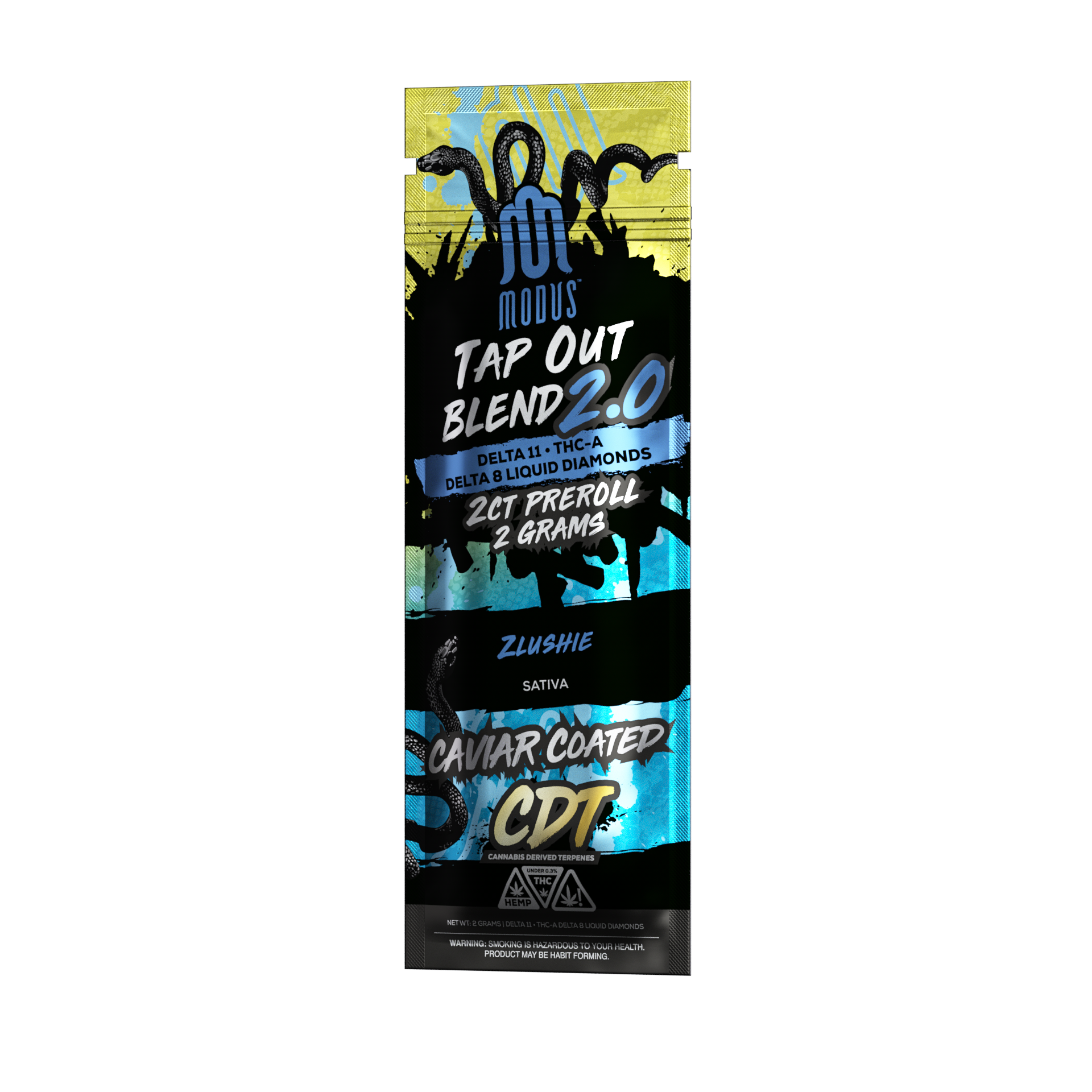
If consistent quality in cartridges and vape devices is the priority, Modus Brand is worth checking out. Use code MDS25 for 25% off the whole order. Worst case, you found a reliable new go-to at a solid discount.
What Makes a Preroll Count as Fresh Flower
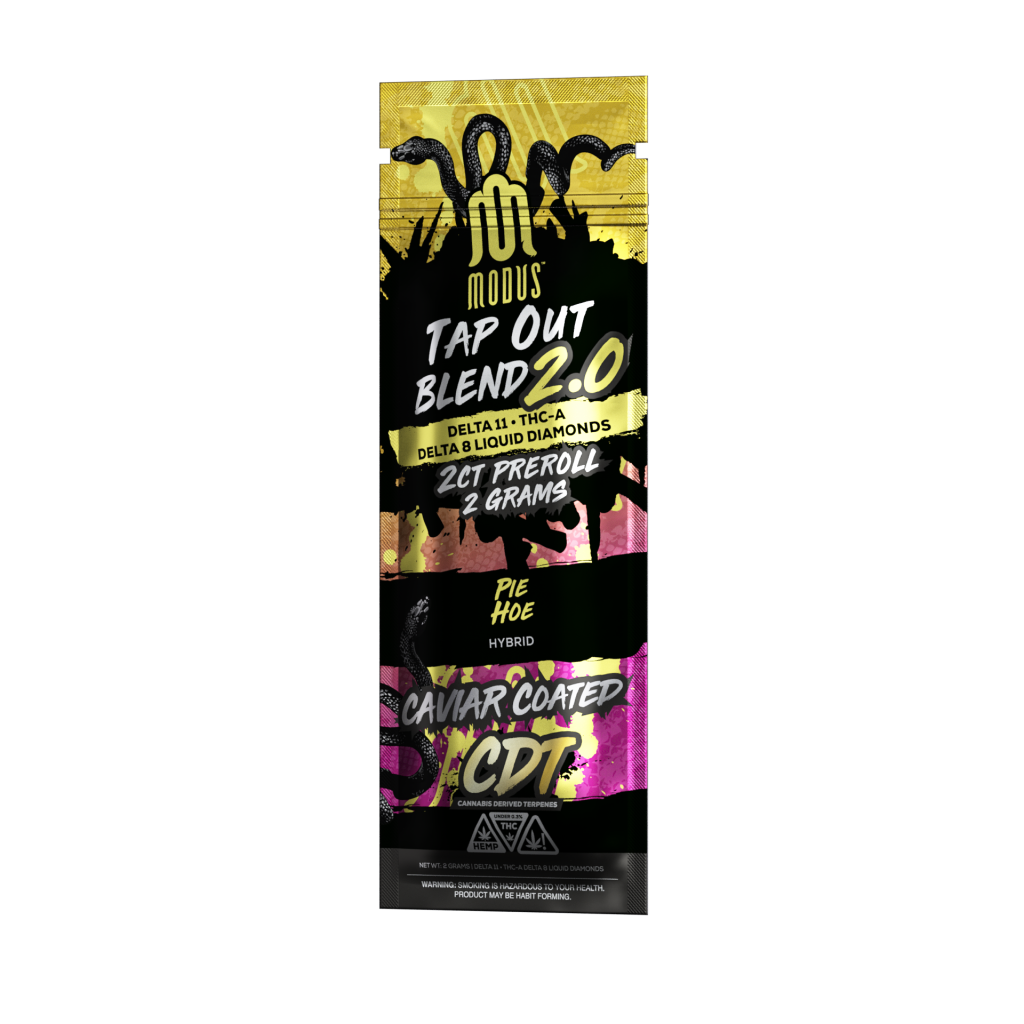
The term fresh flower preroll refers to a product made directly from whole hemp flower rather than shake, trim, or ground leftovers packed into a cone.
This distinction matters because whole flower holds onto its trichomes, terpenes, and cannabinoids far better than processed plant material. A preroll built from quality flower tends to look fuller and denser, with visible crystal structure across the surface.
That structure is where most of the flavor and effect actually come from, so its presence is a strong indicator of quality.
The Role of the Flower Itself
Not all flower used in prerolls comes from the same place or the same standard of growing. Flower that was harvested at the right time and cured properly holds moisture at a level that keeps it smooth without being damp or overly dry.
Flower that was rushed through the drying process often turns brittle and harsh, losing much of what makes a fresh flower preroll enjoyable in the first place.
Buyers who pay attention to where the flower comes from and how it was grown usually end up with a better smoking experience overall.
How Curing and Trimming Affect Freshness
Curing is the step where harvested flower rests under controlled humidity so the chlorophyll breaks down and the terpene profile matures.
Skipping or rushing this step leaves behind a grassy taste and a harsher smoke, which shows up immediately in a rolled preroll.
Trimming also plays a part, since flower with too much excess leaf material burns unevenly and dilutes the overall potency. When both curing and trimming are done with care, the finished preroll reflects that effort in every hit.
Signs a Fresh Flower Preroll Is Actually Fresh
There are a handful of physical signs that separate a fresh preroll from one that has been sitting around too long.
These signs don’t require any special equipment, just a bit of attention before lighting up. Checking a preroll’s appearance, smell, and burn pattern gives a fairly accurate read on its overall quality.
Anyone shopping the preroll selection at a smoke shop can use these same checks right at the counter.
Look at the Color and Texture
Fresh flower typically shows shades of deep green, sometimes with hints of purple or orange depending on the strain, and the surface should look slightly sticky rather than dry and flaky.
A preroll that looks pale, brown, or dusty has likely lost a significant amount of its trichome content.
Texture matters too, since flower that crumbles too easily or feels like straw between the fingers has probably dried out past the point of a good smoke. A properly packed preroll should feel slightly springy when pressed rather than stiff or hollow.
Check the Smell Before Lighting Up
Smell is one of the fastest ways to judge freshness, since terpenes are the compounds responsible for both scent and flavor.
A fresh flower preroll should have a noticeable aroma the moment the packaging opens, whether that’s fruity, earthy, sweet, or gassy depending on the strain.
If there’s little to no smell at all, the terpenes have likely broken down from age, poor storage, or exposure to air and light. A strong nose is usually a reliable preview of how flavorful the smoke will be.
Pay Attention to How It Burns
Even burn is another clear sign of quality flower packed correctly into the paper. A preroll that canoes, meaning it burns unevenly down one side, often points to inconsistent moisture content or uneven packing density.
Fresh flower tends to burn at a steady pace and produce a consistent stream of smoke without needing constant relighting.
Anyone who notices a preroll going out repeatedly or burning in fits and starts is likely dealing with a product that isn’t as fresh as it should be.
Why Freshness Matters for the Smoking Experience
Freshness isn’t just about how a preroll looks or smells, it directly shapes how the entire session feels from start to finish.
Terpenes and cannabinoids are volatile compounds, meaning they degrade steadily once the flower is harvested, especially when exposed to heat, light, or air.
That degradation affects flavor, smoothness, and the overall character of the high in ways that are noticeable to regular smokers. Choosing a well-preserved flower and preroll product helps avoid these drop-offs entirely.
Flavor Differences Between Fresh and Stale Prerolls
Terpenes are responsible for the distinct flavor profiles found in different strains, whether that’s citrus, pine, berry, or something more diesel and gassy.
As terpenes break down over time, flavor becomes muted and often takes on a flat, cardboard-like taste that isn’t pleasant to smoke.
A fresh flower preroll retains those original flavor notes much longer, especially when it has been stored correctly since packaging. This is one of the easiest ways to tell, just by taste alone, whether a preroll has held onto its quality.
Potency and Terpene Loss Over Time
Cannabinoids like THCA convert and degrade gradually when exposed to oxygen, heat, and light, which can reduce the overall strength of a preroll over time.
This doesn’t mean an older preroll becomes completely ineffective, but it typically delivers a milder and less pronounced experience than one that’s fresh. Terpene loss compounds this issue, since terpenes also play a role in how cannabinoids interact with the body during a session.
Buying in smaller quantities and using prerolls within a reasonable window after purchase helps preserve both potency and flavor.
How Fresh Flower Prerolls Are Packaged to Stay Fresh
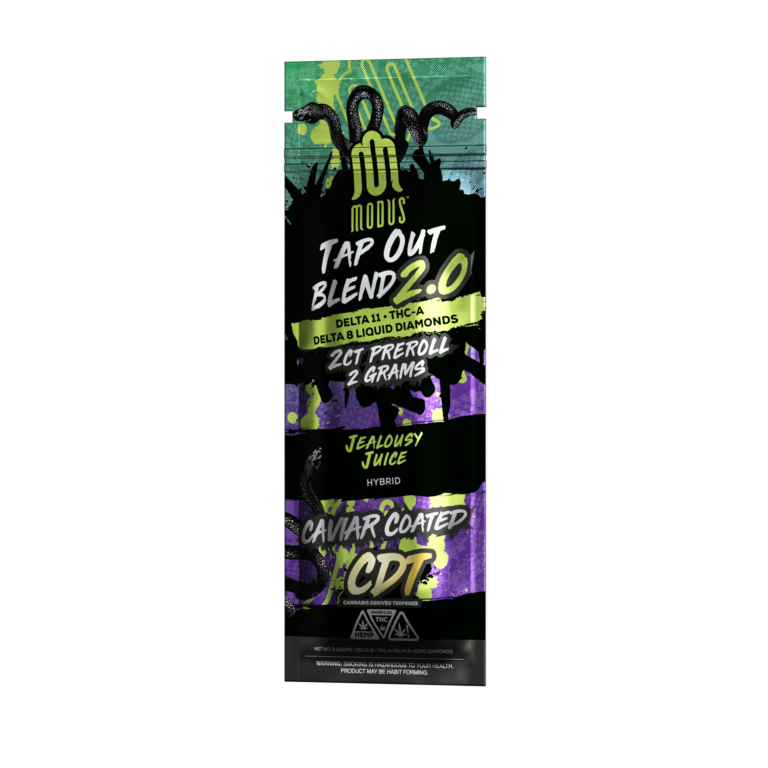
Packaging plays a bigger role in preroll freshness than most people realize, since it directly controls exposure to the elements that cause degradation.
Airtight, light-blocking packaging slows down the breakdown of terpenes and cannabinoids significantly compared to thin, see-through wrapping.
Brands that prioritize quality tend to invest in packaging that protects the product from the moment it’s rolled to the moment it reaches the buyer. Exploring a well-packaged hemp preroll collection is one of the simplest ways to start off with a fresher product.
Packaging Materials That Preserve Quality
Materials like resealable mylar bags, glass tubes, or nitrogen-flushed packs each help slow the natural aging process of flower.
These materials limit oxygen exposure and block out light, both of which speed up terpene loss when left unchecked.
Packaging that seals tightly after each use also matters, since repeated exposure to open air continues to degrade a preroll even after the original seal has been broken. Paying attention to how a product is packaged gives a good early indication of how seriously freshness was treated during production.
Storage Tips After Opening
Once a fresh flower preroll has been opened, how it’s stored afterward makes a real difference in how long it stays enjoyable.
Keeping prerolls in a cool, dark place away from direct sunlight and temperature swings slows down the breakdown of terpenes and cannabinoids. Airtight containers, like small glass jars with tight lids, help maintain moisture balance and block outside air from speeding up the aging process.
Checking out a reliable smokable hemp product with proper packaging from the start makes this part of the process much easier to manage.
Final Thoughts
Judging the freshness of a fresh flower preroll comes down to a few simple checks, color, texture, smell, and how evenly it burns.
Fresh flower holds onto its terpenes and cannabinoids far longer than dried-out or poorly cured material, which shows up clearly in both flavor and overall smoke quality. Paying attention to packaging and proper storage after opening extends that freshness even further, protecting the investment made in a quality product.
Taking these small steps before and after purchase leads to a noticeably better smoking experience every time.
FAQs
How long does a fresh flower preroll stay fresh after opening?
Most prerolls stay reasonably fresh for a few weeks after opening if stored in a cool, dark, airtight container. Beyond that window, terpene and flavor loss becomes more noticeable, even if the product is still smokable.
Can a preroll be too fresh to smoke?
Flower that hasn’t fully cured can sometimes feel overly moist or harsh due to trapped moisture. This is different from staleness and usually resolves once the flower has had time to properly cure before being rolled.
Does the color of a preroll always indicate freshness?
Color is a helpful indicator but not the only one, since some strains naturally appear lighter or darker than others. Texture, smell, and burn quality should always be checked alongside color for a more accurate picture.
Why does a preroll sometimes taste harsh even when it looks fresh?
Harshness can come from incomplete curing, excess leaf material, or high moisture content trapped inside the paper. Appearance alone doesn’t always reveal these underlying issues, which is why smell and burn pattern matter just as much.
Is it better to buy fresh flower prerolls in small batches?
Buying smaller quantities more frequently tends to preserve freshness better than stockpiling a large supply at once. This limits the amount of time each preroll spends exposed to air, light, and temperature changes before it gets used.