


Coffee cups and kratom servings often end up sitting on the same counter for a lot of people, and that overlap has made kratom and caffeine a common topic among regular users.
Both have carved out a spot in daily routines for millions of people, and it makes sense that questions come up about how the two fit together in the same day.
Kratom and caffeine come from completely different plants and work through different pathways in the body, so understanding each one separately helps clear up a lot of the confusion around combining them.
This is not medical advice of any kind. It is simply a factual look at what each substance is, how people typically use them, and what practical factors are worth considering before adding both into the same routine.
Quick stop before the deep dive. Tusk Kratom is offering 25% off their top-quality kratom lineup with code SLYNG_25 at checkout. Go ahead and lock that in first.
What Kratom Is and How It’s Used
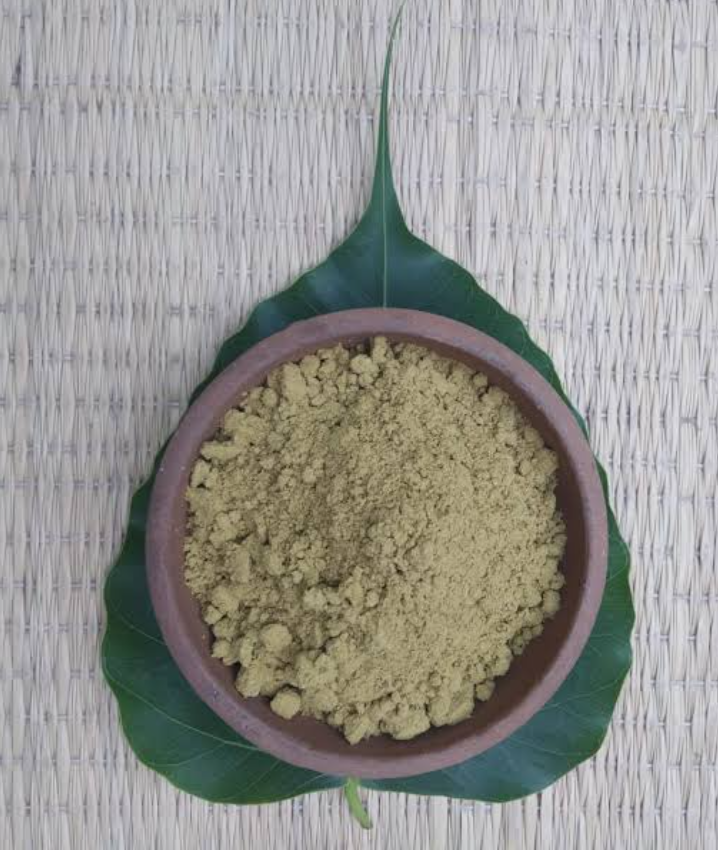
Kratom comes from a tropical tree native to Southeast Asia, and its leaves contain naturally occurring alkaloids that vary depending on strain and harvest timing.
The tree belongs to the coffee family, which is an interesting detail that often surprises people who assume kratom and caffeine have nothing structurally in common at the plant level.
Traditional use in Southeast Asia involved chewing fresh leaves, a practice that has since evolved into a wide range of modern product formats.
Today, kratom shows up as powder, capsules, and concentrated kratom extract, giving users several ways to fit it into a daily schedule. These varied kratom products appeal to people who want flexibility depending on convenience, taste preference, or desired serving strength.
Understanding this range of formats matters before thinking about how kratom and caffeine might fit into the same day, since format often shapes timing and routine.
Traditional Background
Farmers and laborers across Indonesia, Thailand, and Malaysia have used kratom leaves for generations, often chewing them during long workdays.
This traditional use shaped much of how kratom later spread beyond its home region, eventually reaching international markets where dried, powdered leaf became the standard starting point.
Strain names like red, white, and green trace back to leaf vein color at harvest, a detail that still influences product labeling today.
Modern Kratom Formats
Modern kratom products have expanded well past basic powder, with kratom extract capsules offering a pre-measured, portable option for people who want consistency without dealing with loose material.
Liquid and gummy formats have also grown in popularity, giving buyers more choices depending on how they prefer to take it throughout the day.
What Caffeine Does and Where It’s Found
Caffeine is one of the most widely consumed natural stimulants in the world, found in coffee, tea, energy drinks, and a long list of everyday products.
It occurs naturally in the seeds, leaves, and fruit of several plants, with coffee beans and tea leaves being the most familiar sources for most people. Caffeine has been part of daily routines across cultures for centuries, long before kratom and caffeine ever became a topic discussed together online.
The body processes caffeine fairly quickly compared to some other natural compounds, which is part of why its effects tend to show up within a short window after consumption. This fast processing timeline is one of the reasons caffeine remains such a popular go-to option for people managing busy mornings or long afternoons.
Common Caffeine Sources
Coffee remains the most recognized caffeine source for most people, followed closely by tea, which contains a milder concentration depending on the variety.
Energy drinks and certain sodas add caffeine directly during production, often in higher concentrations than a standard cup of coffee.
Chocolate and some medications also contain smaller amounts of caffeine, which adds up across a full day of consumption.
How the Body Processes Caffeine
Caffeine gets absorbed into the bloodstream relatively quickly after consumption, with noticeable effects often showing up within thirty minutes for most people.
The body eventually breaks caffeine down through the liver, and how quickly this happens varies from person to person based on individual factors like metabolism and regular consumption habits.
This variation is part of why caffeine sensitivity differs so much between different people drinking the exact same cup of coffee.
How Kratom and Caffeine Interact
Kratom and caffeine work through separate compounds, kratom through its natural alkaloids and caffeine through its own distinct chemical structure.
Because they come from unrelated plant sources, understanding how each one behaves individually is the first step before considering how they might overlap in the same daily routine.
Timing Considerations
Some people space out kratom and caffeine throughout the day rather than taking them at the same time, often based on personal comfort or routine preference.
Others incorporate both closer together, such as having coffee in the morning and a kratom serving later in the day.
There is no single standard timing approach, since personal schedule and comfort level tend to guide how people structure their day around both.
Reported User Experiences
Community discussions among regular kratom users often include mentions of caffeine consumption habits, though experiences described online vary widely from person to person.
These accounts remain anecdotal rather than formal findings, since limited research currently exists comparing the two directly.
Anyone researching kratom and caffeine online should treat these community reports as general observations rather than predictable outcomes, since individual body chemistry plays a significant role in how anyone responds to either substance.
Things to Keep in Mind When Combining Them
A few practical considerations come up often in conversations about kratom and caffeine, mostly centered around starting slow and paying attention to how the body responds over time.
Starting with Smaller Amounts
People new to either kratom or caffeine, or those trying a new combination of routines, often start with smaller amounts of each before adjusting based on comfort.
This gradual approach helps establish a baseline without introducing too many new variables into a daily schedule at once.
Concentrated formats like kratom extract liquid shots carry more potency in a smaller serving, which is worth factoring in when adjusting a routine that also includes regular caffeine intake.
Paying Attention to Personal Tolerance
Tolerance to both kratom and caffeine can shift over time depending on frequency of use and individual body chemistry.
Someone who regularly drinks multiple cups of coffee daily may respond differently than someone who rarely consumes caffeine at all.
Staying aware of these personal patterns helps people make more informed choices about how they structure their own routine around both substances.
Choosing Quality Products When Combining
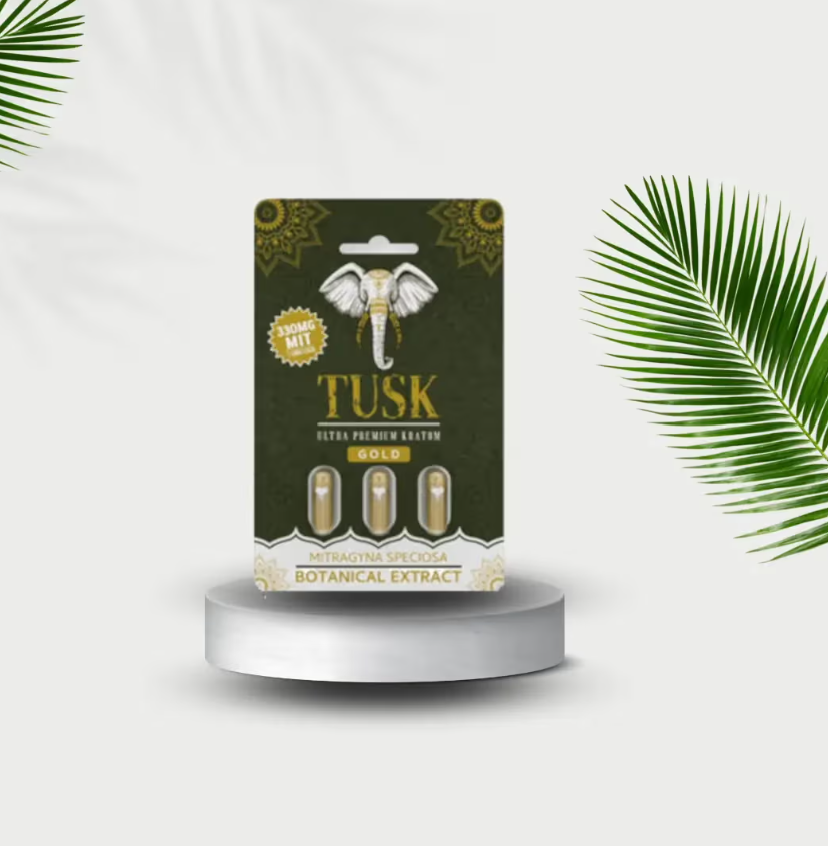
Product quality matters just as much as timing or personal tolerance when it comes to kratom and caffeine, since low-quality products introduce more unpredictability into any daily routine.
Checking Labels and Lab Testing
Reputable kratom sellers provide clear labeling along with third-party lab results confirming potency and checking for contaminants.
This same standard applies to caffeine products, where reputable brands disclose accurate caffeine content per serving rather than leaving buyers to guess.
Checking for the best kratom products alongside transparent caffeine labeling helps set a more predictable foundation for anyone managing both in the same routine.
Picking the Right Format for Routine
Format choice often comes down to convenience and existing habits. Someone who already drinks coffee every morning might prefer a kratom format that fits easily into an afternoon routine, such as kratom extract gummies or a quick liquid shot. Searching for the best kratom extract liquid shots alongside a trusted caffeine source usually comes down to the same basic research approach, prioritizing transparency and consistent quality over flashy marketing claims.
Final Thoughts
Kratom and caffeine both hold a steady place in daily routines for a lot of people, even though they come from entirely different plants and work through separate pathways in the body. Understanding each one individually, from traditional background to modern product formats, makes it easier to think through how they might fit into the same day. Personal tolerance, timing, and product quality all play a role in how people structure a routine involving both.
There is no universal formula for combining kratom and caffeine, since individual factors shape the experience in ways that vary from person to person. Taking time to start with smaller amounts, pay attention to personal response, and choose transparent, well-tested products leads to a more informed approach no matter how someone chooses to structure their day.
FAQs
Do kratom and caffeine come from the same plant family?
No, kratom comes from a tree in the coffee family native to Southeast Asia, while caffeine comes from several unrelated plants including coffee beans and tea leaves. Despite kratom’s botanical link to the coffee family, kratom and caffeine are chemically distinct from one another.
Is there a recommended way to time kratom and caffeine together?
There is no single standard approach, since timing preferences vary widely from person to person. Some people space the two throughout the day, while others use them closer together based on routine. Personal comfort and schedule typically guide this decision.
Can tolerance to caffeine affect how someone experiences kratom?
Individual tolerance to caffeine can vary based on regular consumption habits and personal body chemistry. This variation may influence how someone perceives their overall routine when kratom is also part of the day. Paying attention to personal patterns helps build a clearer picture over time.
What should be checked before buying kratom or caffeine products?
Look for clear labeling, accurate serving size information, and available third-party lab testing for kratom products. Caffeine products should also disclose accurate caffeine content per serving. Transparency from the seller is one of the most reliable quality indicators for either product.
Is combining kratom and caffeine common among regular users?
Community discussions suggest that many kratom users also consume caffeine regularly, though experiences shared online vary widely. These accounts remain anecdotal rather than formal findings. Anyone curious about their own response should pay attention to personal tolerance and start gradually.