

tracing back to traditional use long before modern powders and capsules became the norm.
Kratom tea still holds a steady following today among people who prefer a warm, familiar ritual over swallowing a capsule or measuring out powder into water. The process is simple, but a few details make a real difference in how the final cup turns out.
This guide walks through how kratom tea is typically prepared, what factors affect the final result, and what to expect in terms of flavor and texture. None of this is medical guidance. It is simply a practical, factual breakdown of preparation steps and general expectations for anyone curious about trying kratom tea at home.
Head over to Tusk Kratom and take a look at their top-quality kratom lineup before reading any further. Use code SLYNG_25 at checkout for 25% off the next order and come back ready to dig in.
What Kratom Tea Is
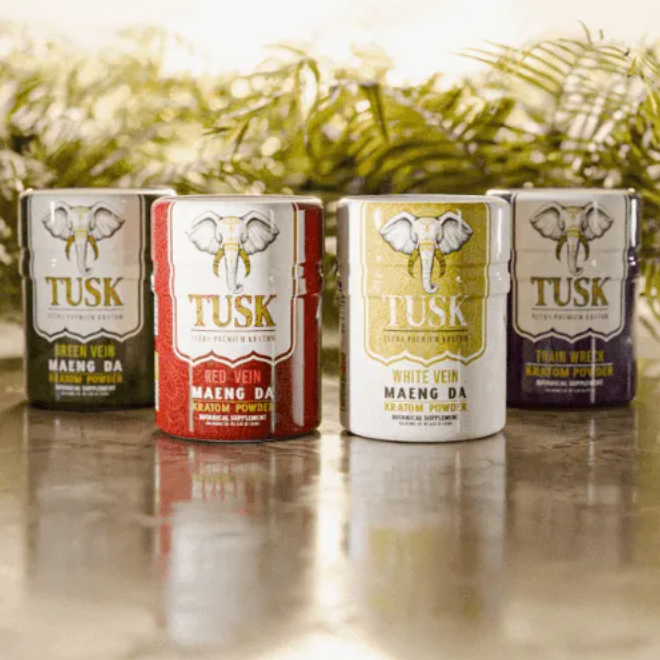
Kratom tea is made by steeping kratom leaf powder in hot water, similar to how someone might prepare a traditional herbal tea.
The method traces back to Southeast Asia, where kratom leaves were originally chewed fresh or boiled into a drink long before the plant reached international markets. Tea remained one of the more accessible ways to consume kratom before powder, capsules, and concentrated kratom extract became widely available.
Modern kratom tea usually starts with standard leaf powder rather than extract, since extract concentrations are typically meant for other kratom products like capsules or liquid shots rather than steeping. Understanding this distinction matters before starting, since using the wrong starting material can lead to an unexpectedly strong or unpredictable cup.
People who prefer tea over other formats often point to the ritual itself as part of the appeal, since the process of heating water, measuring powder, and straining a finished cup feels more deliberate than swallowing a capsule.
This slower pace fits naturally into a morning or evening routine for people who enjoy taking a few extra minutes rather than reaching for something premeasured. Others simply prefer the warmth and familiarity of a hot drink over other formats, treating it as a small ritual rather than just another step in the day.
Choosing the Right Kratom for Tea
Not every kratom product works well for tea preparation, so picking the right starting material matters before getting started.
Powder versus Extract for Steeping
Standard kratom powder is the most common choice for tea since it dissolves and steeps predictably in hot water.
Extract products, including kratom extract capsules, are formulated for direct consumption rather than steeping, so using them interchangeably with tea powder is not how most people approach preparation.
Sticking with plain leaf powder gives more predictable, consistent results for anyone brewing tea at home.
Strain Considerations
Different strains carry slightly different flavor and alkaloid profiles depending on harvest timing and vein color classification.
Some people find certain strains steep into a smoother cup than others, though personal preference plays a large role in which strain someone ends up favoring for tea.
Trying a few different strains over time is a common way people settle into a preferred choice for regular preparation.
Sourcing Quality Powder
Freshness plays a bigger role in tea quality than a lot of first-time preparers expect.
Powder that has been sitting for a long time or stored improperly can lose potency and develop a flatter, less appealing flavor once steeped.
Buying from a seller who provides clear harvest and packaging dates helps ensure the powder used for tea is as fresh as possible, which tends to produce a more consistent and flavorful cup.
How to Prepare Kratom Tea Step by Step
Preparing kratom tea follows a fairly simple process, though small adjustments along the way can change the final texture and flavor.
Measuring and Boiling Water
Start by bringing water to a boil in a small pot rather than using a kettle directly over the powder, since simmering allows more control over the process.
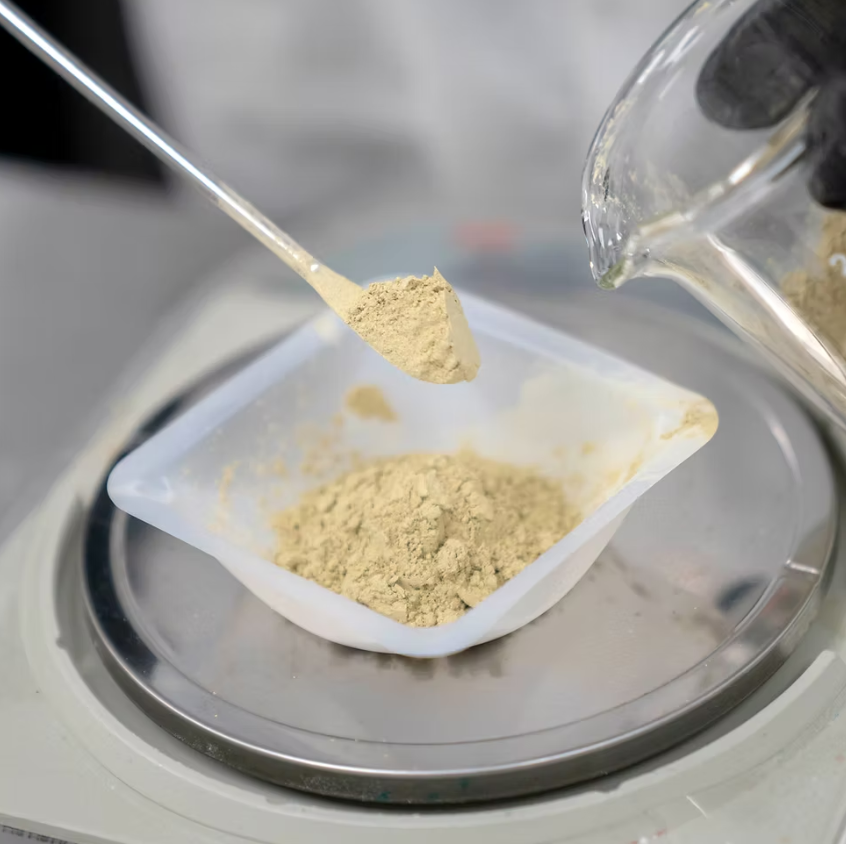
Many people use a kitchen scale to measure their kratom powder consistently from one batch to the next, since consistent measuring helps produce a more predictable cup over time.
Once the water reaches a boil, it gets lowered to a simmer before the powder goes in.
Simmering and Straining
The powder gets stirred into the simmering water and left to steep for several minutes, allowing the alkaloids to release into the liquid.
A fine mesh strainer or cheesecloth is then used to separate the liquid from the leftover plant material, since drinking the tea with the powder still in it creates a much thicker, grittier texture.
Some people choose to simmer a second time using the strained plant material to extract any remaining compounds, though this second batch typically comes out weaker than the first.
Adding Flavor
Kratom tea on its own often carries a noticeably earthy, slightly bitter taste that not everyone enjoys right away. Honey, lemon, or a small amount of sweetener are common additions that help balance out the natural bitterness without overwhelming the drink entirely.
Some people also mix in ginger or other complementary flavors, treating the process similarly to preparing any other herbal tea blend at home.
Cinnamon and a splash of milk or a dairy alternative are two other additions that show up often in home preparation, giving the final cup a warmer, more rounded flavor profile.
What to Expect When Drinking It
First-time kratom tea drinkers often have questions about flavor, texture, and how the experience compares to other kratom formats like kratom extract liquid shots or gummies.
Flavor and Texture Differences
Kratom tea has a distinctly earthy, plant-based flavor that differs quite a bit from flavored formats like kratom extract gummies, which are designed specifically to mask the natural taste of the plant.
Texture also varies depending on how thoroughly the tea gets strained, with a well-strained cup coming out smooth and a poorly strained one feeling gritty or thick.
Getting the straining step right makes a noticeable difference in overall drinking experience.
Comparing Tea to Other Formats
Tea preparation takes more time and effort compared to grabbing a pre-measured capsule or a quick liquid shot, which appeals to people who enjoy a slower, more ritualistic approach to their routine.
Someone searching for the best kratom products for convenience alone will likely lean toward capsules or shots instead, while someone who enjoys the process itself often prefers sticking with tea despite the extra preparation time involved.
Neither approach is objectively better, since the right choice depends entirely on how much time and effort someone wants to put into their daily routine.
Storage and Serving Tips
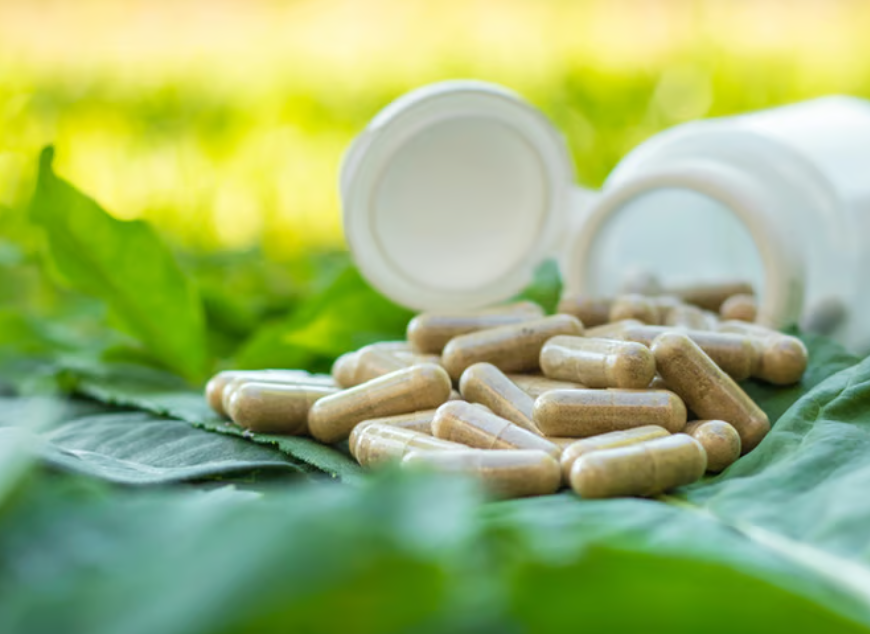
Proper storage habits help maintain freshness and consistency for anyone who prepares it on a regular basis.
Storing Kratom Powder
Kratom powder should be kept in a sealed, airtight container away from direct sunlight, heat, and moisture, all of which can degrade quality over time.
A cool, dry cabinet works well for most households, and labeling containers with purchase dates helps track freshness across multiple batches.
Buying from sellers known for the best kratom extract liquid shots and other high-quality products often signals that the same company applies similar care to their raw leaf powder as well.
Storing and Reheating Brewed Tea
Brewed tea can be stored in the refrigerator for a short period if it is not consumed right away, typically within a day or two for best quality.
Reheating gently on the stove or in the microwave works fine, though some people prefer drinking it cold or at room temperature depending on personal preference.
Making smaller batches more frequently tends to produce a fresher cup compared to storing large amounts for extended periods.
Final Thoughts
Kratom tea remains a straightforward, traditional way to prepare kratom, offering a slower, more ritualistic alternative to capsules, extracts, or gummies.
Choosing the right powder, measuring consistently, and straining properly all play a role in how the final cup turns out. Flavor additions like honey or lemon help balance the natural bitterness for anyone who finds the plain taste too strong.
Storage habits matter just as much as preparation, since fresh powder and properly stored tea both contribute to a more consistent experience over time.
Anyone new to kratom tea can expect a learning curve at first, but small adjustments to measuring, steeping, and straining usually lead to a smoother, more enjoyable cup with practice.
FAQs
Does kratom tea taste different from kratom powder taken directly?
Kratom tea generally has a milder, more diluted flavor compared to taking straight powder, since steeping spreads the taste across a larger volume of liquid. The earthy, bitter notes are still present but often feel less concentrated in tea form. Adding honey or lemon can further soften the overall flavor.
Can extract be used to make kratom tea instead of powder?
Extract products are formulated for direct consumption rather than steeping, so they are not typically used the same way as standard leaf powder for tea. Most people preparing tea at home stick with plain kratom powder for more predictable results. Using extract interchangeably with tea powder is not the standard approach.
How long does kratom tea last once it is brewed?
Brewed kratom tea generally stays fresh in the refrigerator for about a day or two before quality starts to decline. Making smaller batches more often tends to produce better results than storing large amounts for extended periods. Reheating gently on the stove or in the microwave works fine if needed.
Why does straining matter so much when making kratom tea?
Straining removes leftover plant material that would otherwise make the tea thick and gritty. A fine mesh strainer or cheesecloth produces the smoothest texture. Skipping this step results in a noticeably different, less pleasant drinking experience.
Is kratom tea stronger than other kratom formats?
Strength varies depending on how much powder gets used and how the tea is prepared, so it is not accurate to say tea is universally stronger or weaker than other formats. Personal preparation habits play a bigger role than the format itself. Consistent measuring helps produce a more predictable result over time.