


Anyone who has used kratom more than a handful of times has probably wondered at some point why the effects from one session lasted noticeably longer or shorter than another. Same product, similar amount, different experience. This is why you need to know about the kratom half life.
The answer almost always comes back to pharmacokinetics, specifically the kratom half life, which determines how long the active compounds stay in the body and how quickly the effects fade.
Understanding kratom half life is not just trivia for the curious. It has real practical implications for dosing timing, managing tolerance, and knowing what to expect from different product formats.
This article breaks down what the kratom half life actually means, what the research says about how long the primary alkaloids stay active, what factors cause that window to vary between individuals, and how different product types factor into the overall picture.
But before anything else, you need to know about Tusk Kratom and their top quality collection of kratom products. Visit their site and use the coupon code SLYNG_25 to get 25% off your next order.
What Kratom Half Life Actually Means

The term half life comes from pharmacology and refers to the amount of time it takes for the concentration of a substance in the body to decrease by half.
It does not mean the effects are completely gone at that point. It is a measurement of how quickly the body is processing and eliminating a compound, and it takes multiple half lives for a substance to clear the system entirely.
For high quality kratom, understanding half life starts with understanding the primary alkaloids responsible for its effects.
Mitragynine and 7-Hydroxymitragynine: The Key Alkaloids
Kratom’s effects come primarily from two alkaloids: mitragynine and 7-hydroxymitragynine. Mitragynine is the most abundant alkaloid in kratom leaf, typically making up between 60% and 70% of total alkaloid content depending on the strain and origin of the plant. It interacts with opioid receptors in the brain along with adrenergic and serotonin receptors, producing a range of effects from stimulation at lower doses to relaxation and pain relief at higher doses.
7-Hydroxymitragynine is present in much smaller quantities but has a significantly higher binding affinity to mu-opioid receptors than mitragynine, making it a more potent contributor to kratom’s stronger effects and kratom half life despite being a minor component by weight. It is also a metabolite of mitragynine, meaning that some of the mitragynine consumed is converted into 7-hydroxymitragynine during metabolism.
Both alkaloids have their own pharmacokinetic profiles, and the kratom half life for each of them differs, which contributes to the layered and sometimes prolonged nature of kratom’s effect timeline.
What the Research Says About Kratom Half Life
Research on kratom half life is limited compared to more extensively studied substances, but the available data provides a useful baseline.
Studies on mitragynine have estimated its half life in humans at approximately nine hours, though some research suggests a range of roughly nine to seventeen hours depending on the individual and conditions. 7-Hydroxymitragynine has a shorter half life, estimated at around two and a half to nine hours in available studies.
Based on these estimates, it takes approximately four to five half lives for a substance to be largely eliminated from the body. For mitragynine at a nine-hour half life, that places full clearance somewhere in the range of 36 to 48 hours after consumption.
For chronic or heavy users whose body has accumulated kratom alkaloids across multiple daily doses, that clearance window extends further. This is why the kratom half life matters not just for understanding how long effects last, but for understanding how the compound builds up with regular use and why tolerance develops the way it does.
Factors That Affect Kratom Half Life in the Body
The textbook half life estimates for kratom alkaloids are averages, and individual variation around those averages is significant. Several factors consistently influence how quickly or slowly a specific person metabolizes kratom, and most of them are not things that can be directly controlled.
Body Composition and Metabolism
Metabolic rate has a direct impact on how quickly the body processes kratom alkaloids. People with faster metabolisms generally clear mitragynine and related compounds more quickly, resulting in a shorter effective kratom half life and a faster taper of effects. People with slower metabolisms experience the reverse, with effects potentially lasting longer and compounds staying present in the system for an extended period.
Body fat percentage also plays a role. Mitragynine and other kratom alkaloids are lipophilic, meaning they bind to fat tissue. In individuals with higher body fat, alkaloids can accumulate in fatty tissue and release back into the bloodstream more slowly over time, which can extend both the effective duration and the detectable presence of kratom in the system. This is one of the reasons why two people using the same amount of high quality kratom can report noticeably different effect durations.
Age, Liver Function, and Kidney Health
Kratom alkaloids are metabolized primarily in the liver through cytochrome P450 enzymes, specifically CYP3A4 and CYP2D6. Liver function therefore has a direct bearing on kratom half life. Reduced liver function, whether from age-related decline, existing liver conditions, or the influence of other substances that compete for the same metabolic enzymes, slows the processing of kratom alkaloids and extends their presence in the body.
Kidney function is relevant for elimination, since metabolized compounds are filtered out of the bloodstream and excreted through the kidneys. Impaired kidney function slows that elimination process.
Age tends to affect both organ systems, which is why older users often report that kratom effects feel stronger and last longer than what younger users experience with equivalent amounts. For anyone managing liver or kidney conditions, this is an important consideration that warrants consultation with a healthcare provider before using kratom in any form.
This is an important thing to take note of about kratom half life.
Frequency of Use and Dose Size
Frequency of use and the amount consumed per session have a compounding effect on how long kratom stays active in the body. With occasional use, each dose is largely cleared before the next one is taken, which means the kratom half life for an occasional user reflects roughly the single-dose pharmacokinetics described in the research.
For daily or multiple-times-daily users, alkaloids accumulate between doses, creating a higher baseline blood concentration that both intensifies effects and extends how long they persist in the system.
Dose size affects the initial concentration of alkaloids entering the bloodstream, which in turn affects how long they take to fall below the threshold of noticeable effect. A large dose of kratom powder creates a higher peak concentration than a small dose of the same product, and even though the half life is the same, the higher starting point means it takes longer to reach a sub-effect threshold.
This is one of the reasons regular users often find that their effect window stretches considerably beyond what occasional users experience with the same product.
How Different Kratom Formats Affect the Experience Timeline
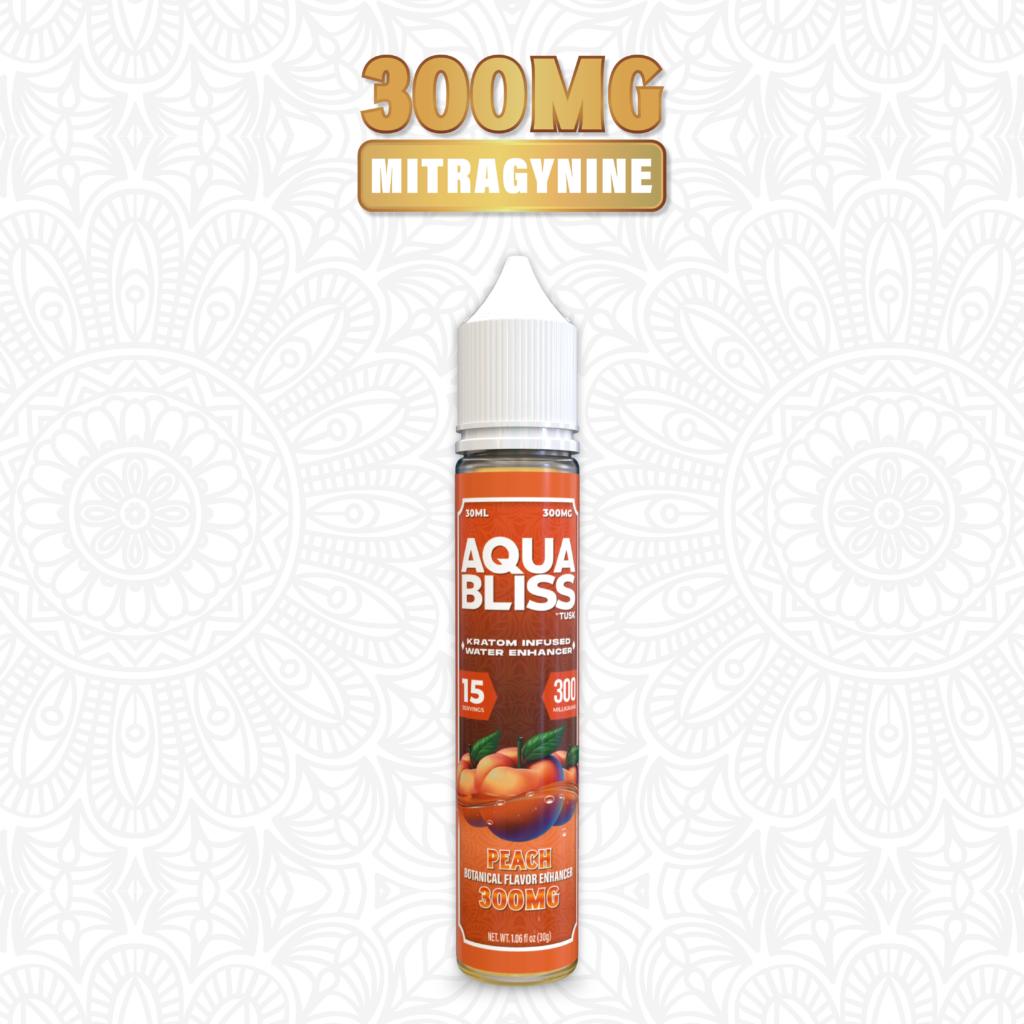
The format of kratom consumed has a meaningful influence on how quickly effects arrive and how they play out over time. Different formats have different absorption rates and concentrations, which interacts with the underlying kratom half life to shape the overall experience.
Kratom Powder: The Standard Baseline
Premium kratom powder is the most widely used format and also the baseline against which other formats are typically compared. When consumed as a powder, either mixed into a drink, taken directly, or packed into capsules, kratom alkaloids are absorbed through the gastrointestinal tract over a period of roughly 15 to 30 minutes for initial onset, with peak effects arriving between 30 and 60 minutes after consumption and the overall window lasting between three and six hours for most users.
The onset and duration with powder depends significantly on whether it is taken on an empty or full stomach. On an empty stomach, absorption is faster and effects tend to peak more sharply.
With food present, absorption slows, onset is delayed, and the effects tend to spread out over a longer period with a less pronounced peak. Neither approach is definitively better, but understanding the difference helps predict kratom half life more accurately.
Kratom Capsules: Delayed but Predictable
Kratom capsules use the same powder as loose formats but add a gelatin or vegetable-based capsule shell that must dissolve in the stomach before the powder is exposed for absorption.
This adds approximately 15 to 30 minutes to the onset time compared to powder consumed directly. The overall effect duration is similar once the alkaloids are absorbed, but the slower and more gradual release from capsules means the peak is often less sharp and the come-up is more gradual.
Capsules are a popular format precisely because of this predictability. The delayed onset trains users to resist the urge to redose too early, which is a common cause of unintentional overconsumption with faster-acting formats. For people who want a consistent, measured approach to managing their kratom use in relation to the kratom half life, capsules offer a practical advantage over loose powder.
Kratom Extract and Kratom Liquid: Faster and More Potent
Kratom extract and kratom liquid formats represent a concentrated form of kratom alkaloids that produces faster onset and stronger effects at smaller volumes than standard powder. Extracts are produced by processing kratom plant material to isolate and concentrate the alkaloid content, resulting in a product that delivers a much higher alkaloid dose per gram compared to raw powder. Kratom liquid, including shots and tinctures, typically uses an extract base dissolved in a liquid carrier for rapid absorption.
The faster absorption of liquid formats means onset can occur within 15 to 20 minutes in some cases, and peak effects arrive more quickly and more intensely than with powder. However, the kratom half life of the alkaloids themselves does not change based on format.
What changes is how quickly those alkaloids reach peak concentration in the bloodstream, not how quickly the body processes them once they are there. This means extract and liquid formats front-load the experience but do not necessarily extend the total duration beyond what powder would produce at an equivalent alkaloid dose.
Final Thoughts
Kratom half life is not a dry technical detail, it is genuinely useful information for anyone who uses kratom with any regularity.
Knowing that mitragynine takes roughly 36 to 48 hours to fully clear the system, that factors like metabolic rate, body composition, age, and use frequency all shift that window, and that different formats change the absorption speed without changing the underlying half life, gives users a real framework for understanding their own experience and making more informed decisions about timing, dosing, and frequency.
The research on kratom pharmacokinetics is still developing, and individual variation means that no half life estimate is perfectly predictive for any single person. But the general principles are solid enough to be practically useful. The more consistently kratom half life is factored into how and when kratom is used, the more predictable and manageable the overall experience becomes over time.
FAQs
How long does kratom stay in your system?
Based on mitragynine’s estimated half life of approximately nine hours, full clearance takes roughly 36 to 48 hours for occasional users. Frequent or heavy users may retain detectable levels for longer due to alkaloid accumulation.
Does the format of kratom affect how long it stays in the system?
The format affects how quickly alkaloids are absorbed and how fast effects arrive, but it does not change the underlying half life of the alkaloids themselves. Kratom extract and liquid formats front-load the experience with faster onset and higher peak concentration, but the body processes the alkaloids at the same rate once they are in the bloodstream.
Why do kratom effects sometimes last longer than expected?
Several factors can extend the effective duration beyond the typical three to six hour window. Taking a larger dose than usual, using a concentrated extract, consuming kratom on a full stomach, having a slower metabolism, or using kratom frequently enough that alkaloids have accumulated from previous doses can all push the experience timeline out significantly.
Can kratom be detected on a standard drug test?
Standard workplace drug panels do not test for kratom alkaloids. However, specialized tests designed to screen for kratom can detect mitragynine and its metabolites in urine for approximately one to nine days after the last dose, depending on use frequency and individual metabolic factors.
How does tolerance relate to kratom half life?
Tolerance develops faster when kratom alkaloids are present in the body continuously at active concentrations, which happens with frequent daily use. Understanding the half life helps structure use schedules that allow more complete clearance between doses, which slows the receptor adaptation that drives tolerance.