

Two plants keep showing up in the same conversations lately, and for good reason. Kratom and kava have both built dedicated followings among people looking for natural options rooted in long traditions rather than lab-made formulas.
Even though they get mentioned together often, kratom vs kava comes down to two plants from completely different parts of the world, each carrying its own distinct history.
Anyone digging into kratom vs kava quickly notices that the similarities mostly stop at the surface level. One comes from a tree leaf, the other from a root.
One has roots in Southeast Asia, the other in the South Pacific. Once the plant origins get sorted out, the rest of the comparison becomes a lot easier to follow.
This breakdown covers where each plant comes from, how each one gets prepared, what separates their available product formats, and what the legal landscape looks like for both.
None of this counts as medical guidance. It is simply a factual side-by-side look meant to help clear up confusion between two plants that keep getting compared in the same breath.
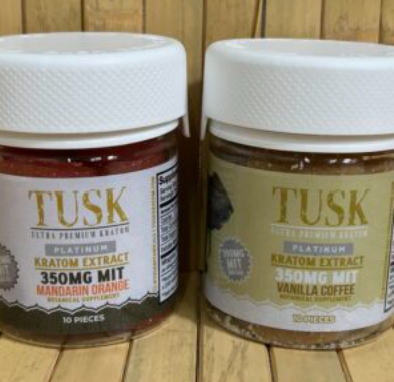
Tusk Kratom has a top-quality kratom lineup that is worth checking out before going any further. Use code SLYNG_25 at checkout for 25% off the next order. Pretty good deal to kick things off with.
Where Kratom and Kava Come From
Kratom grows as a tree native to Southeast Asia, particularly across Indonesia, Thailand, and Malaysia. The tree belongs to the coffee family, and its leaves carry naturally occurring alkaloids that shift depending on the strain and harvest timing.
Kava, on the other hand, comes from the root of a plant grown throughout Pacific Island nations like Fiji, Vanuatu, and Tonga.
The kratom vs kava comparison starts right here, with two plants that grew up in entirely separate regions with entirely separate cultural histories.
Kratom leaves were traditionally chewed by laborers in Southeast Asia looking for something to help push through long workdays, and today those same leaves get processed into modern kratom extract and other kratom products sold well beyond the region where the tree originally grew.
Kava root, meanwhile, has centuries of ceremonial history tied to social gatherings and community events across Pacific Island cultures.
Kratom’s Regional Roots
Farmers throughout Southeast Asia have cultivated kratom trees for generations, passing down harvesting knowledge from one generation to the next.
The tropical climate in this region gives kratom leaves their particular alkaloid makeup, and the timing of the harvest determines which strain classification a batch ends up falling under. Vein color at the time of picking separates red, white, and green strains, and this detail alone shapes a big part of how the final product turns out.
Local farming communities still handle much of the harvesting by hand, which keeps quality control tied closely to individual farms rather than large automated operations.
This hands-on approach, a detail that matters in any thorough kratom vs kava writeup, explains why so much variation exists across different kratom suppliers, since two farms picking leaves at slightly different times can end up with noticeably different batches.
Kava’s Pacific Island History
Kava root has an entirely different story rooted in Pacific Island ceremony and tradition. Communities across Fiji, Vanuatu, Tonga, and other island nations have used kava root during social gatherings for hundreds of years, often as part of formal ceremonies welcoming guests or marking important occasions. The plant itself grows as a shrub, and its root system is what gets harvested and processed.
Kava’s cultural weight in the Pacific Islands goes far beyond casual use. It plays a role in diplomatic meetings, family gatherings, and community events, carrying a level of social significance that kratom’s more work-focused traditional use never quite matched.
Understanding this cultural backdrop helps explain why kava products today still carry a slower, more ritualistic reputation compared to kratom’s faster, more utilitarian image, and it sets the tone for how the kratom vs kava comparison plays out across the rest of this guide.
How Kratom and Kava Are Traditionally Prepared
Traditional preparation methods for kratom and kava look almost nothing alike, and that difference carries over into how modern products get made today.
This step in the kratom vs kava comparison highlights just how differently these two plants got treated by the communities that first put them to use. Kratom’s preparation history centers on the leaf itself, while kava’s preparation revolves entirely around root processing and water extraction.
Chewing Leaves versus Pounding Root
Traditional kratom use involved chewing fresh leaves directly off the tree, a practice still common in parts of Southeast Asia today.
Workers would chew leaves throughout the day, and this direct method gave immediate access to the alkaloids without any additional processing steps. Dried and powdered leaf became more common later on as kratom spread beyond its home region.
Kava preparation looks completely different from the start. Traditional kava prep involves pounding or grinding the root into a fine material, then mixing it with water and straining out the solids through a cloth. This process produces a milky, earthy-tasting beverage that gets served in shared cups during ceremonies.
The kratom vs kava difference in preparation style reflects just how differently these two plants got integrated into daily life across their respective regions.
Modern Processing Methods
Modern kratom processing has moved well beyond simple leaf chewing, now involving controlled drying, grinding, and in some cases further concentration into extract form, including kratom extract capsules that give today’s users a pre-measured, portable option the original leaf-chewing method never offered.
This shift toward standardized processing gives today’s users more consistency than the original hand-chewed leaf method ever could. Kava has followed a similar path, with modern producers grinding dried root into fine powder that gets sold for home preparation or further processed into other formats.
Both plants have adapted their traditional preparation methods to fit modern convenience without abandoning the basic plant material that made them popular in the first place. This adaptation is a big part of why the kratom vs kava conversation keeps evolving as both plants continue to find new audiences well outside their original regions.
What Makes Their Effects Feel Different
Kratom and kava work through entirely different compounds, and that distinction is central to any kratom vs kava discussion. Kratom’s alkaloids, mainly mitragynine and 7-hydroxymitragynine, interact with the body differently than kava’s active compounds known as kavalactones.
Alkaloids versus Kavalactones
Kratom’s alkaloid content varies by strain, harvest timing, and processing method, giving different batches slightly different characteristics.
Kavalactones, found in kava root, represent a completely separate class of compounds unique to the kava plant. These two compound families do not overlap chemically, which is one of the clearest lines separating kratom vs kava at a scientific level.
Understanding this distinction helps clear up a common misconception that kratom and kava work through similar mechanisms just because they get mentioned in the same sentence so often. Anyone digging deeper into kratom vs kava at the compound level will find that they simply do not share the same chemical foundation, and treating them as interchangeable options overlooks this basic fact.
Reported Onset and Duration Patterns
Users across both communities often describe different timelines for how quickly each plant tends to take hold and how long that experience typically lasts, with fast-acting formats like kratom extract liquid shots often reported as quicker to kick in compared to raw powder.
These patterns vary a lot from person to person, and factors like serving size, individual body chemistry, and product format all play a role in shaping the timeline. Community discussions and anecdotal reports remain the main source of this kind of information, since formal research comparing the two directly is still limited.
Anyone exploring kratom vs kava should treat these reported patterns as general community observations rather than guaranteed outcomes, since individual results vary significantly based on personal factors that cannot be predicted from general commentary alone.
Product Formats Available Today
Both kratom and kava have expanded into a wide range of product formats well beyond their traditional preparation methods. This side of the kratom vs kava comparison gives buyers plenty of ways to try either plant depending on convenience and personal preference.
Kratom’s Modern Product Lineup
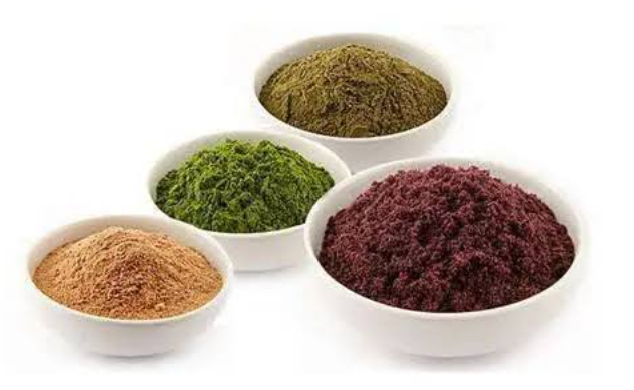
Kratom powder remains a widely available starting point, but concentrated extract has become a popular option for people who want a stronger serving without measuring out large amounts of raw powder. Capsules give users a simple, pre-measured way to take kratom, offering a portable option that fits easily into a daily bag or drawer.
Liquid formats have also carved out a strong following, appealing to people who want something quick and easy without any prep work involved. Gummies round out the modern lineup as well, giving users a flavored alternative to capsules or shots for those who prefer something closer to a treat.
Kava’s Modern Product Lineup
Kava has followed a similar path toward modern convenience. Traditional root powder remains available for people who want to prepare kava the old-fashioned way with water and a strainer. Instant kava powder has become popular for people who want the traditional flavor and format without the lengthy straining process that traditional prep requires.
Kava capsules and tinctures have also entered the market, giving users options that skip the earthy taste altogether. Some producers have even started blending kava into ready-to-drink beverages, positioning it as a more approachable option for people unfamiliar with the traditional preparation method, another example of how kratom vs kava keeps evolving toward modern convenience.
Where Kratom Extract Gummies Fit In
Among the newer kratom formats, kratom extract gummies stand out for combining convenience with a more enjoyable flavor profile compared to swallowing a capsule or measuring powder.
This format has grown quickly in popularity, particularly among people who want something that feels less like a supplement and more like a simple treat.
Kava has not seen quite the same gummy trend take hold yet, though some producers have started experimenting with similar flavored formats.
Legal Status and Availability
Legal status plays a bigger role in the kratom vs kava conversation than a lot of people initially expect.
This is often the deciding factor for people weighing kratom vs kava before they even get to product preference.
The two substances face very different regulatory landscapes depending on location, and staying informed about local rules matters for anyone considering either one.
Kratom’s Patchwork of State Regulations
Kratom’s legal status varies significantly across the country, with some states allowing unrestricted sale and others banning it outright or placing specific restrictions on its sale and labeling.
This inconsistent regulatory landscape means someone traveling between states should always check local laws rather than assuming kratom is treated the same way everywhere. Advocacy groups continue pushing for clearer, more consistent regulation across state lines.
This patchwork situation has created confusion for both buyers and sellers, since a product legal in one state might face restrictions just across a state border.
Staying updated on changing regulations remains an ongoing responsibility for anyone trying to track down the best kratom products while shopping across different regions.
Kava’s Broader Legal Access
Kava generally enjoys more consistent legal access across the country compared to kratom, since it does not carry the same state-level restrictions in most regions.
This wider availability has helped kava expand into more mainstream retail spaces, including kava bars that have popped up in various cities across the country. These dedicated kava establishments operate similarly to how a coffee shop or juice bar might function, just centered around kava beverages instead.
The more relaxed regulatory environment surrounding kava has made it easier for new users to try it without navigating the same state-by-state confusion that kratom buyers often deal with, another point that comes up often whenever kratom vs kava gets discussed in wellness circles.
Choosing Between Kratom and Kava for Personal Use

Deciding between kratom and kava usually comes down to personal preference, lifestyle fit, and what kind of experience someone is hoping to find. At this point, the kratom vs kava decision becomes less about facts and more about fit. Neither option works as a universal answer for everyone, and plenty of people end up trying both before settling into a preference.
Matching the Plant to a Daily Routine
Someone with a fast-paced schedule might lean toward quicker kratom formats like capsules or liquid shots that require no prep work at all. Someone who enjoys a slower, more ritualistic experience might prefer preparing kava the traditional way, treating it almost like a wind-down activity rather than a quick daily habit. Routine and available time both play a real role in shaping which side of the kratom vs kava decision feels like a better fit.
Flavor preference also factors into the decision, since kava’s earthy taste is fairly distinct and not universally loved, while kratom’s flavor profile varies more depending on the chosen format. People who dislike strong, earthy flavors often gravitate toward capsules or gummies for either plant rather than dealing with raw powder mixed into water.
Checking Quality Before Buying Either One
Quality control standards matter just as much for kava as they do for kratom. Buyers should look for clear labeling, transparent sourcing, and available lab testing before making a purchase decision. The same standard applies to kava, where reputable sellers share information about root origin and processing methods rather than leaving buyers guessing.
Checking for the best kratom extract liquid shots or well-reviewed kava powders usually comes down to the same basic research step, meaning looking past marketing language and focusing on verifiable sourcing and testing information instead.
This quality-first mindset applies no matter which side of the kratom vs kava choice someone leans toward. Skipping this step with either plant increases the chances of ending up with an inconsistent or lower-quality product.
Trying Both Before Settling on One
Plenty of people in wellness-focused communities end up trying both kratom and kava at different points, sometimes even keeping both on hand for different situations.
There is no requirement to pick just one, and many long-term users describe rotating between the two depending on mood, schedule, or personal preference at any given time. This flexible approach lets people experience what each plant has to offer without locking into a single choice too quickly.
Community feedback from experienced users in both spaces often provides useful, practical insight that goes beyond what a product label alone can offer, and it often carries more weight in a real kratom vs kava decision than marketing copy ever could.
Reading through honest firsthand accounts before trying either one can help set realistic expectations from the start.
Final Thoughts
Kratom and kava may get mentioned in the same conversations, but the kratom vs kava comparison reveals two plants with almost nothing in common beyond a shared spot in the natural wellness space.
Different regions, different traditional preparation methods, different active compounds, and different legal landscapes all separate these two options in meaningful ways. Product formats have expanded for both, giving modern users plenty of choices regardless of which one they lean toward.
Personal routine, flavor preference, and quality standards all play a role in deciding which plant fits better into daily life. Taking time to research sourcing, check for transparent labeling, and understand the traditional background behind each option leads to a more informed kratom vs kava decision no matter which direction someone ultimately picks.
FAQs
Are kratom and kava related plants?
No, kratom and kava come from entirely different plant families grown in different parts of the world. This is the first thing anyone researching kratom vs kava should understand. Kratom comes from a tree native to Southeast Asia, while kava comes from a root grown throughout Pacific Island nations. They do not share a botanical connection.
Which one has a longer traditional history, kratom or kava?
Both have long traditional histories, though they developed in different cultural contexts. Kratom has roots in Southeast Asian labor traditions, while kava carries centuries of ceremonial significance across Pacific Island cultures. Neither history is shorter or less established than the other.
Can kratom and kava be used together?
Some people do use both, though not necessarily combined at the same time. Many prefer trying each separately to understand how each one fits into their own routine. Personal preference and comfort level typically guide this decision.
Is kava legal everywhere kratom is restricted?
Kava generally has broader legal access across the country compared to kratom, which faces more state-by-state restrictions. This legal gap is one of the more practical points people weigh when comparing kratom vs kava before buying. However, local laws can still vary, so checking current regulations in a specific location is always recommended before purchasing either one.
Do kratom and kava taste similar?
No, the two have very different flavor profiles. Kava has a distinct earthy, sometimes bitter taste tied to its traditional preparation method. Kratom’s flavor varies more depending on format, ranging from raw powder to flavored gummies or liquid shots.