


Living with roommates changes how smoking gets handled, since a habit that only affected one person now touches everyone sharing the same walls and air.
Smoking with roommates works best when it starts with a conversation instead of assumptions, since what feels normal to one person can feel invasive to another.
Shared leases also come with shared consequences, and a landlord complaint can affect the whole household even if only one roommate is responsible. This guide covers the ground rules, ventilation habits, and cleanup steps that keep smoking with roommates manageable instead of a source of ongoing tension.
Smokebuddy has been solving the indoor smoke and odor problem long enough to know exactly what works. Pick up a personal air filter, use code SLY25 for 25% off, and give it a shot. It is a pretty easy call.
Setting Ground Rules Before Problems Start
Most conflicts over smoking with roommates happen because nobody talked about it before move in day, and everyone assumed their own habits were the default.
A short conversation early on, covering where smoking is allowed and where it is not, prevents most of the friction that builds up over weeks of unspoken frustration.
Putting a few basic rules in a shared group chat gives everyone something to point back to later, which matters most when one roommate smokes and another does not. Revisiting the agreement occasionally, especially after a new roommate moves in, keeps expectations current instead of stuck in an outdated conversation.
Talking About Where and When It’s Okay to Smoke
Deciding on specific locations, such as a balcony or a particular window, gives everyone a clear answer instead of a vague understanding that gets tested over time.
Time of day matters too, since smoking late at night or early in the morning can affect roommates differently depending on their schedules.
Designating one specific spot, rather than allowing it throughout the apartment, keeps smoking with roommates predictable and reduces how many rooms pick up smell over time.
Agreeing on Shared Spaces Versus Private Rooms
A bedroom with the door closed feels different from a shared living room, and most roommates are more comfortable with smoking staying inside a private space rather than common areas.
Even with a closed door, smoke travels through hallways and under doorframes, so this distinction only works well when paired with decent ventilation inside the room.
Getting clear on this boundary early, rather than after a complaint, makes smoking with roommates far less likely to turn into a recurring disagreement.
Ventilation Habits for Shared Living Spaces
Airflow plays a bigger role in smoking with roommates than most people expect, since smell that lingers in one room eventually spreads through shared hallways and vents.
Still air holds smoke particles far longer than moving air, which means even a short session can leave a smell that lasts for hours in a poorly ventilated apartment.
Combining more than one method at once, such as a fan plus a cracked window, keeps air actually cycling through a room instead of settling into furniture and bedding.
Using Fans and Filters Together
A fan pointed toward an open window pushes smoke outside faster than an open window alone, which reduces how long smell lingers in a shared apartment.
A filter for smoking used at the same time captures a large portion of the smoke before it spreads, cutting down on both the visible haze and the smell that reaches common areas.
Bathroom exhaust fans work the same way, pulling air out through the building’s ventilation system rather than letting it drift into hallways, which makes smoking with roommates far less noticeable overall.
Keeping Smoke Away from Roommates’ Rooms
Smoke drifting toward a roommate’s closed door creates a very different experience than smoke that exits through a window, so positioning matters just as much as airflow itself.
Smoking near a shared wall or a heating vent connected to another room can carry smell further than expected, even with decent airflow in the room itself.
Keeping a bedroom door closed during and after a session, combined with a fan, prevents smoke from drifting into hallways and keeps smoking with roommates from feeling intrusive to people nearby.
Personal Filters as a Roommate-Friendly Tool
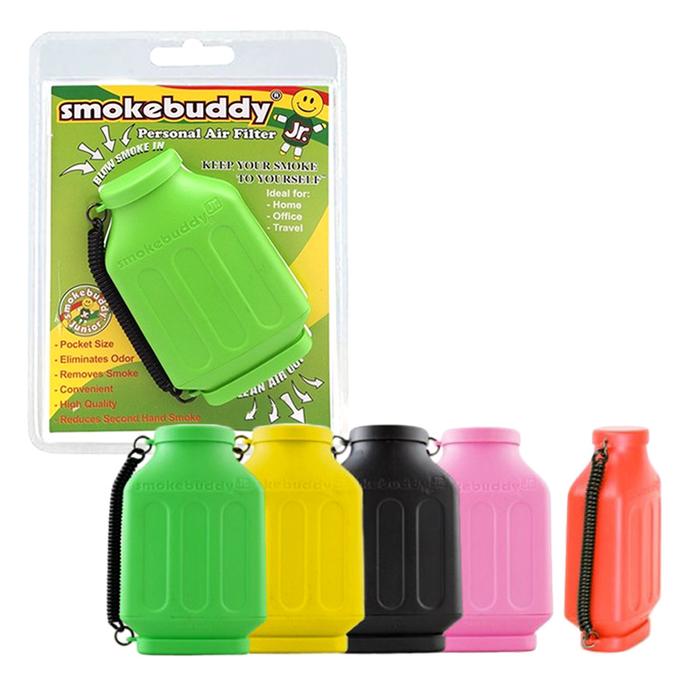
Personal air filters solve a problem that ventilation alone cannot fully handle, since they trap smoke at the exhale point instead of letting it spread into the room first.
This makes them one of the more practical tools for smoking with roommates, especially in apartments where airflow options are limited or a roommate is sensitive to smell.
Using one regularly, rather than only when a complaint comes up, keeps smoke and smell from ever reaching shared spaces in the first place.
How a Filter Reduces Shared Space Odor
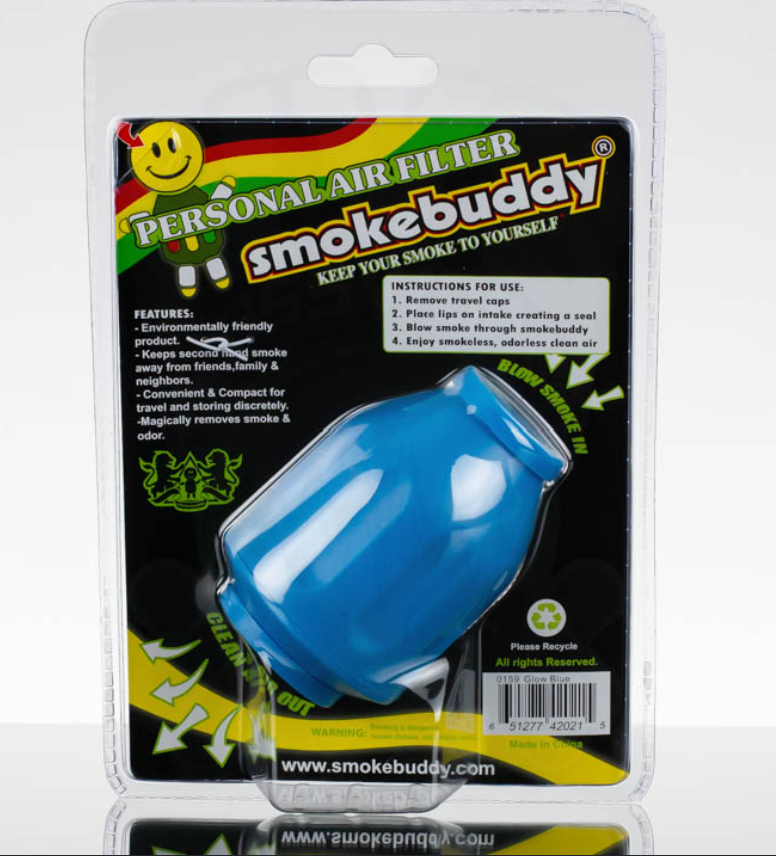
A smoke filter built around activated carbon traps particles and odor compounds as air passes through, which noticeably reduces both visible haze and lingering smell in a shared apartment.
Because the reduction happens right at the exhale point, roommates in nearby rooms are far less likely to notice a session ever happened.
A personal filter for smoking used every session, rather than only occasionally, produces the most consistent results for smoking with roommates in a shared household.
Choosing a Filter That Fits the Household
A paper based filter works well for someone who smokes occasionally, since it is lightweight, disposable, and needs no maintenance between uses.
Reusable filters with replaceable cores make more sense for daily use, since they hold up better and cost less per session over time.
An eco friendly air filter paired with a small activated charcoal bag adds a passive layer of odor control that keeps working between sessions, which rounds out how smoking with roommates gets managed day to day.
Cleaning Habits and Handling Disagreements
A few cleaning habits after smoking go a long way toward keeping shared spaces neutral, especially in apartments where multiple people use the same kitchen and living room.
Even with good habits in place, disagreements about smoking with roommates still come up occasionally, and how they get handled matters just as much as the habits themselves.
Addressing concerns early, before frustration builds up, tends to lead to a smoother conversation than waiting until someone is already upset.
Quick Cleanup After Smoking
A quick wipe down of countertops and window sills after a session removes residue before it becomes a source of complaints, especially in shared kitchens and living rooms.
Washing hands and changing into a fresh shirt afterward reduces how much smell gets carried into shared spaces throughout the rest of the day.
These small habits, done consistently rather than only after a complaint, keep smoking with roommates from leaving a lasting trace on shared furniture.
Talking Through Complaints Without Escalating
When a roommate brings up a concern about smell, responding calmly rather than defensively keeps the conversation productive instead of turning it into an argument.
Asking specific questions about what is bothering them, such as a particular room or time of day, usually leads to a fixable adjustment rather than a demand to stop entirely.
Revisiting the ground rules occasionally, especially as roommates or circumstances change, keeps the arrangement behind smoking with roommates fair over time.
Final Thoughts
Smoking with roommates works best when it is treated as a shared issue rather than something one person handles entirely on their own.
Clear ground rules, steady ventilation, a personal filter, and regular cleaning each address a different part of the problem, and skipping any one of them tends to leave a gap the others cannot fully cover.
A household that treats smoking with roommates as an ongoing conversation, rather than a settled issue, tends to adapt better as circumstances change.
FAQs
Is it rude to smoke inside if a roommate does not smoke?
It depends on what was agreed to beforehand. Many non smoking roommates are fine with it in a private room with good ventilation, while others prefer an outdoor only arrangement.
How can smell be kept out of a roommate’s room?
Keeping sessions away from shared walls and vents, combined with a personal filter and steady airflow, reduces how far smell travels through a shared apartment.
What should be done if a roommate keeps complaining about smell?
Asking specific questions about what is bothering them, rather than assuming the complaint means smoking has to stop entirely, usually leads to a workable adjustment.
Does a personal filter really make a difference in a shared apartment?
Yes. It reduces smoke and smell at the source, which means far less ends up drifting into hallways and other shared spaces compared to smoking without one.
Should smoking rules be written down or just discussed verbally?
Either works, but writing a few basic rules in a shared document gives roommates something clear to reference later, which helps avoid confusion over time.