

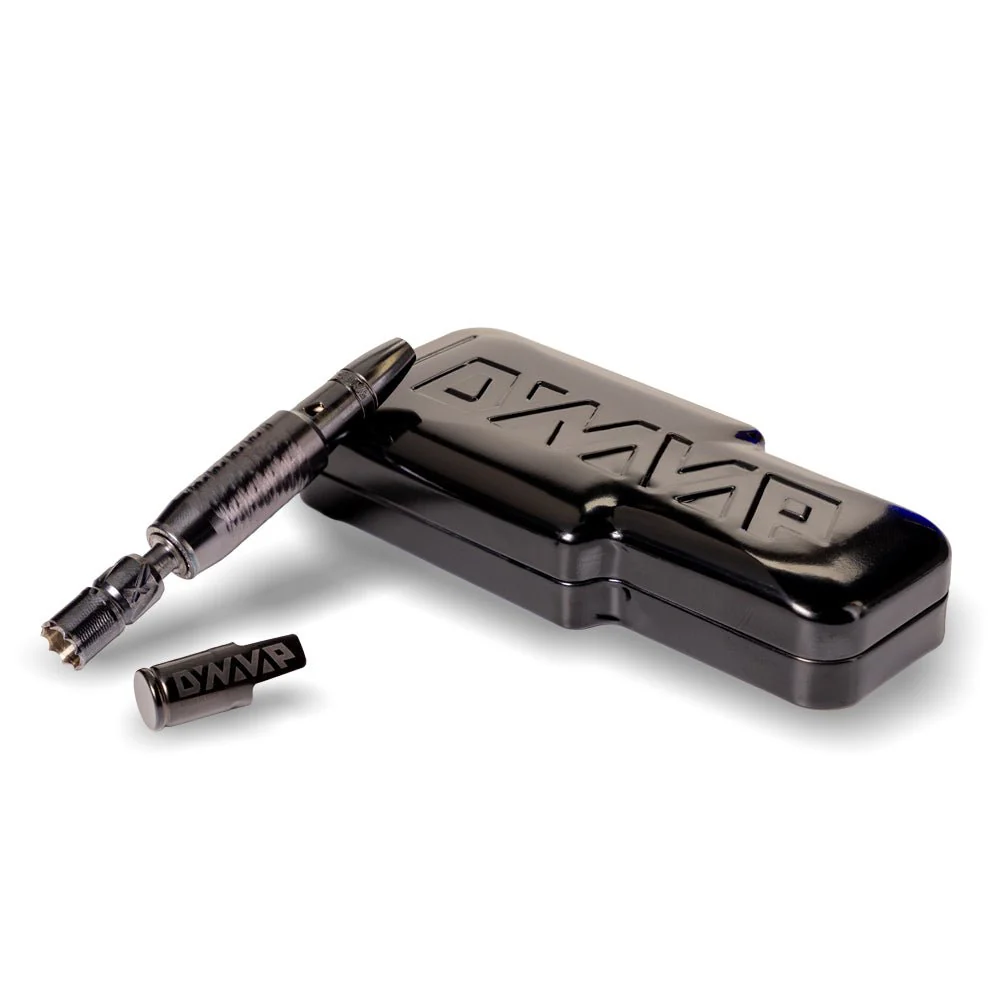
A vaporizer without battery relies on outside heat instead of a rechargeable cell, and that changes how a session works from start to finish.
Instead of a charge cycle or a dying battery mid session, heat comes from a torch flame or an induction coil applied to a cap or chamber.
Material heats until the device signals readiness, usually through an audible click, which removes the guesswork that comes with digital displays.
Anyone comparing options among dry herb vaporizers will find the vaporizer without battery category worth a closer look once the mechanics are laid out plainly.
Better flavor, less waste, and no battery to babysit. DynaVap has been building toward exactly that. Use code 26DYNA26 for 20% off and see what a click based system does for the daily routine. Worst case, the setup just got a serious upgrade for less.
What Makes a Vaporizer Without Battery Work
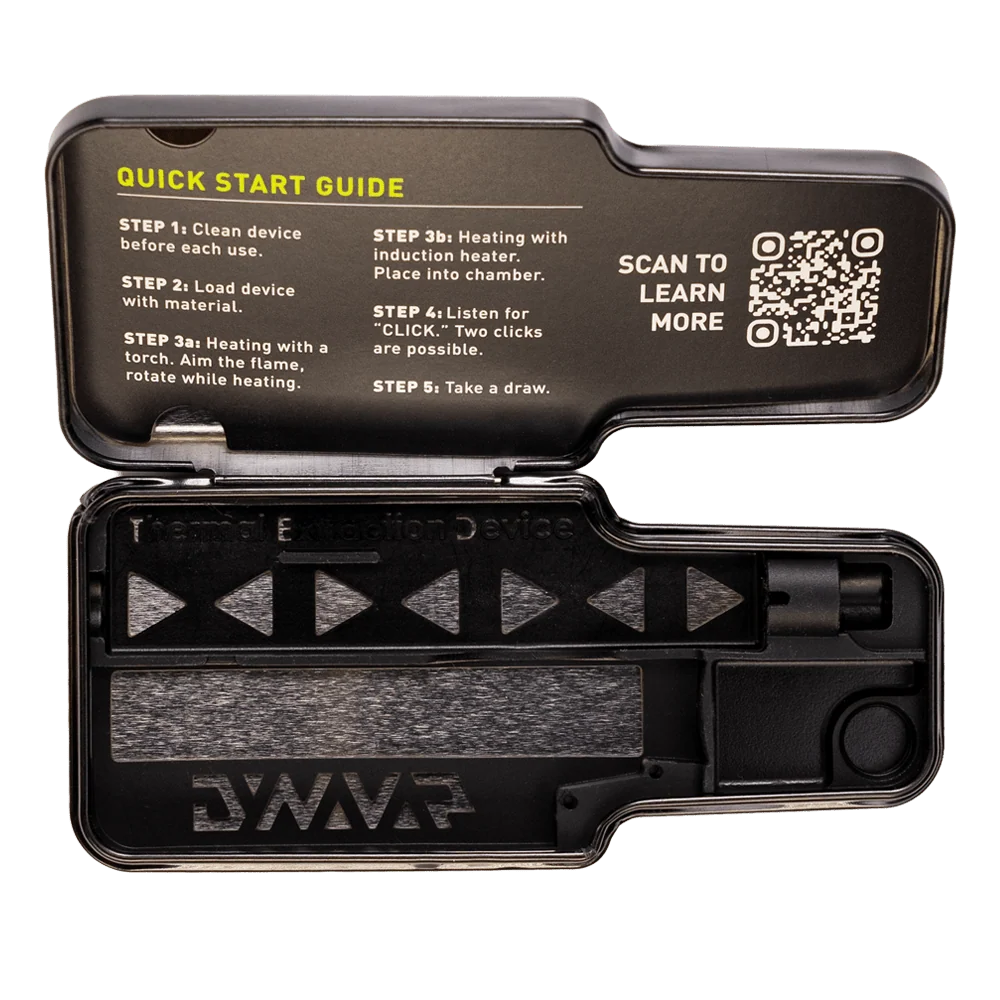
Heat is applied externally, through a torch or an induction base, and travels into a cap or chamber holding the material.
As the metal reaches the vapor point for the active compounds inside, a bimetal strip inside the cap reacts to the heat and produces a click. This is an important thing to consider when buying a vaporizer without battery.
Heating stops there, the draw begins, and a second click later signals the temperature has dropped.
Two heating methods dominate this space, and each brings a different rhythm to the process.
Heating With a Torch
A small butane torch is the most common way to bring a vaporizer without battery up to temperature. The flame moves in a steady rotation around the cap, spreading heat evenly instead of scorching one spot before the material reaches proper temperature.
Most people find their rhythm within a few sessions, learning how long a rotation takes and how far to hold the flame. With no cord or outlet involved, torch heating works just as well outdoors as at home.
Timing takes some practice, since holding the flame too close overheats past the ideal window while holding it too far wastes fuel without reaching the click.
Once the motion becomes familiar, it feels closer to adjusting a stove burner than anything technical.
For anyone shopping through a dry herb vaporizer store, torch compatible models are usually the simplest entry point since no extra equipment is needed.
Heating With Induction
Induction heating automates part of the process by using an electromagnetic field to heat the cap directly, producing a more repeatable result cycle after cycle.
The cap sits in a small chamber on the base, a button starts the cycle, and the same click sound signals readiness. Because the source stays constant, timing depends less on hand steadiness, which newer users often find easier to trust.
Induction bases do need a power outlet, which raises a fair question about the battery free label. The distinction lives in the vaporizer itself, since the heating base is separate hardware, similar to how a stovetop kettle plugging into a wall isn’t considered battery powered.
The cap and chamber still work purely through thermal transfer, with no circuitry touching the material.
Why Heat Based Systems Outperform Battery Vapes for Many Users
Battery powered vapes built their reputation on convenience, but charge cycles degrade, firmware updates interrupt use, and a dead cell ends a session on the spot.
A vaporizer without battery removes those variables since there is no cell to wear down and nothing to manage in software.
Consistency Without Circuit Boards
Fewer electronic parts generally means fewer points of failure.
A vaporizer without battery typically consists of a cap, chamber, and airflow path, with no chipset regulating anything behind the scenes.
Repairs usually involve a seal or screen rather than a warranty claim over internal electronics.
Because there’s no capacity curve to worry about, the same torch or induction heat produces the same click years into ownership, which matters for anyone weighing long term value across dry herb vaporizers like a vaporizer without battery.
Flavor and Efficiency Gains
The click mechanism gives direct confirmation that the vapor point has been reached, cutting down on both underheating and overheating.
Underheated material barely produces vapor, while overheated material burns and turns harsh.
Hitting that window consistently is a big part of why long time users describe the flavor as noticeably cleaner, and why the best dry herb vaporizer and vaporizer without battery searches keep pointing back to this category over combustion.
Choosing the Right Vaporizer Without Battery
Chamber size, material, and airflow design all shape how a session feels, and matching those specs to personal habits matters more than any single spec on its own.
Chamber Size and Material
Smaller chambers suit quick sessions and reach the click faster, while larger chambers hold more material for shared or extended use at the cost of a slightly longer heat cycle.
Titanium and medical grade stainless steel are common because they hold up to repeated direct heat without degrading.
Some designs of a vaporizer without battery also route the mouthpiece or condenser through a glass dry herb vaporizer section, since glass carries no flavor of its own.
Airflow and Draw Control
A tighter airflow setting produces a denser pull, while a more open setting delivers a cooler, lighter draw.
A slow, steady pull keeps vapor smooth since it gives warm air time to move through the material evenly, while a fast pull can thin out the vapor and pull particles toward the mouthpiece.
Portability and Everyday Carry
Removing the battery and charging cable makes most of these devices pocket sized and lighter than powered alternatives of similar size.
Metal builds resist drops and daily handling far better than plastic housings, which is why stainless steel and titanium show up so often across this category.
Anyone looking for a vaporizer without battery for a travel friendly pick should weigh build material heavily before deciding.
Getting the Most Out of a Battery Free Session
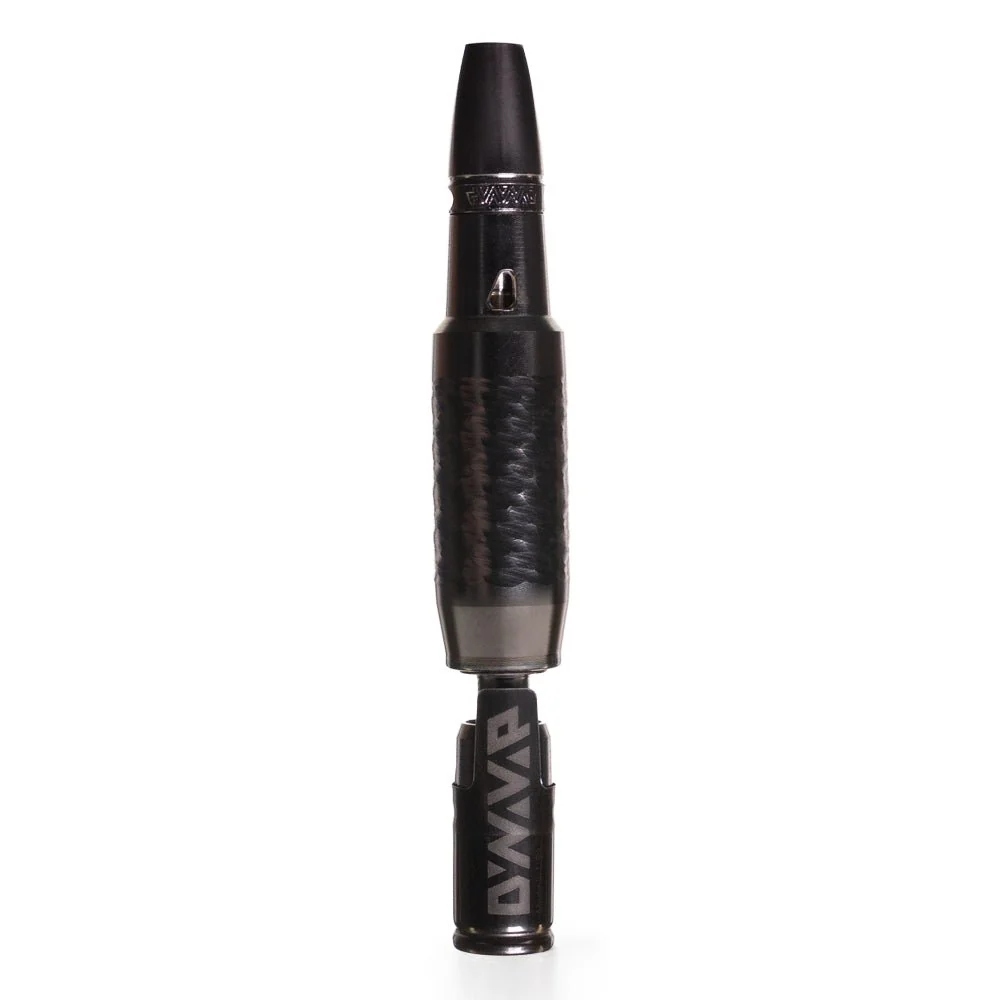
Technique matters more here than with powered alternatives, since heat is applied manually rather than set on a dial.
Grinding and Loading
A medium fine grind lets air move through the material evenly without clogging a screen or leaving unheated pockets.
A light, even pack keeps small air channels open, which the heat needs to move through the load properly.
Overpacking is the most common early mistake, since a compressed load blocks the airflow that carries heat through the material.
Mastering the Click Cycle
Heating until the first click signals the vapor point has been reached, and stopping there keeps material from scorching.
A second click after the draw means the next cycle can begin, and rushing past that cool down risks combustion instead of clean vaporization.
Later cycles naturally need slightly longer heat as the material nears spent, which is expected rather than a problem.
Cleaning and Upkeep
Brushing loose residue out after each session prevents buildup from baking on during the next cycle.
A deeper clean, roughly weekly for daily users, means soaking removable screens and mouthpieces in isopropyl alcohol before rinsing and drying.
O rings wear out faster than metal parts and are worth replacing at the first sign of cracking, since a worn seal shows up quickly as harsher flavor and inconsistent clicks.
Final Thoughts
A vaporizer without battery trades instant convenience for mechanical reliability and a flavor profile that holds steady for years.
Whether heat comes from a torch or an induction base, the click keeps every session predictable once the timing feels familiar.
Weighing chamber size, airflow, and basic maintenance goes a long way toward finding a device that fits daily habits instead of fighting them.
FAQs
Is a vaporizer without battery harder to use than a powered model?
Not particularly. Most users pick up the rhythm of heating to the click, drawing, and waiting for the cool down click within their first few sessions, and it soon feels just as simple as a powered model without a battery level to track.
Does a vaporizer without battery need a special torch?
A basic butane torch works for most models, with no special fuel required. Some prefer a single flame for precision, others a wider flame for faster cycles, and either works as long as the flame moves evenly around the cap.
How long does a vaporizer without battery typically last?
With no battery to degrade, these devices often outlast powered alternatives when maintained properly. Titanium and stainless steel resist wear far better than plastic housings, and routine cleaning plus occasional seal replacement usually covers all the upkeep needed.
Can induction heating really be considered battery free?
Yes. The distinction applies to the vaporizer itself, not the external heat source. The cap and chamber contain no battery or circuitry, even though the induction base plugs into an outlet, similar to a stovetop kettle needing electricity without being battery powered.
Is material wasted more or less compared to combustion?
Less. The click based window targets the vapor point directly instead of burning through material indiscriminately, which typically means fewer refills and more sessions from the same amount of material over time.