

Cold water has always had a place in the smoking culture. Drop in a few cubes, take a pull, and you can feel the difference right away. The inhale feels cooler, and the session starts off exactly how you want it.
The part that usually gets overlooked is how quickly that changes.
Ice melts. Water warms. What started as a cold session slowly turns into something else. That shift is subtle, but it is noticeable over time. At Chill Steel Pipes, that shift was the starting point. Instead of focusing on how to make water cold, the focus became how to keep it that way.
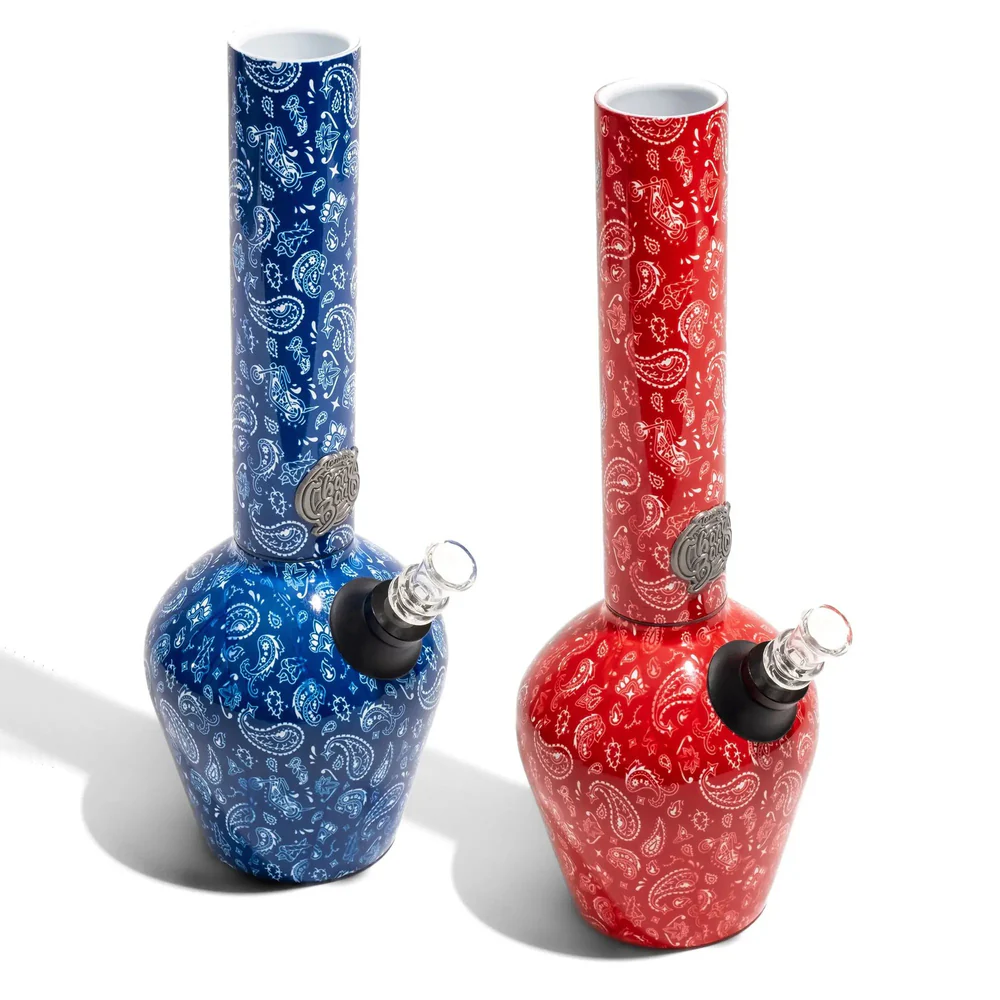
That thinking led to a different approach to bong design. The result is a stainless steel, Double-Wall Vacuum Insulated Chill Bong that keeps water ice cold for up to 12 hours.
Planning to buy a Chill Steel Pipe at a discounted rate? Use the Slyng coupon code SLYNG10 to get 10% off of your next order!
What People Mean When They Talk About Cold Bong Hits
Cold bong hits are not just about adding ice, but also about the temperature of the water during the entire session.
When water is cold, the smoke is cooled as it passes through. That changes how each pull feels. The difference is easy to notice at the beginning of a session when ice is fresh and the water is at its coldest.
The challenge is that this condition does not last long in most setups. As ice melts, the temperature of the water begins to rise. The experience changes along with it.
Cold bong hits are defined by that initial temperature, but consistency is what determines whether that experience holds.
Why Temperature Changes During a Session
Temperature change happens naturally when cold water is exposed to warmer air. Heat moves from the surrounding environment into the water, especially when there is no barrier slowing that process down.
In a typical setup, the material of the bong does not prevent that transfer. As a result, the water gradually warms over time. Ice melts, and the temperature shifts without much control.
That change affects the feel of each pull. What starts as a cold session becomes less consistent as time passes.
Why Do Cold Bong Hits Feel Different?
Cold bong hits feel different at first because the water is at its lowest temperature. That part is easy to notice. What is less obvious is how quickly that condition changes in most setups.
As ice melts and the water warms, the temperature inside the chamber starts to shift. That shift changes how each pull feels over time. The first few pulls feel cold and steady, but later pulls can feel different as the water temperature rises.
When temperature stays consistent, that change does not happen in the same way.
With a Double-Wall Vacuum Insulated Chill Base, the water inside the chamber of Chill Steel Pipes stays closer to its starting temperature for longer periods. Cold water remains cold for up to 12 hours instead of gradually warming during the session.
This creates a more consistent environment from one pull to the next. The session does not start one way and end another. It holds a more stable feel throughout.
That consistency is what makes cold bong hits feel different in a meaningful way. It is not just about how cold the water is at the beginning. It is about how long that temperature is maintained.
How Chill Steel Pipes Keeps Temperature Stable
Chill Steel Pipes approaches temperature control by building Double-Wall Vacuum Insulation directly into the structure of the product. Every Chill Steel Pipe is designed around this insulated construction.
Chill Steel Pipes holds U.S. Patent US12,213,515B2, which covers insulated bong design, including Double-Wall Vacuum Insulation.
The structure uses two layers of Stainless Steel with a vacuum chamber between them. Heat transfer requires air, and a vacuum reduces that transfer. This slows the movement of heat from the outside environment into the water inside the chamber.
Because of this design, water can stay ice cold for up to 12 hours. At the same time, the exterior remains at room temperature. The outer surface does not match the temperature of the water inside, so condensation does not form on the outside.
The temperature inside the chamber stays more consistent throughout the session.
Why Consistency Changes the Experience
The difference between cold water and consistent cold water becomes clear over time.
When temperature holds steady, each pull feels more predictable. The session does not shift from cold to warm halfway through. The environment inside the bong stays closer to the starting condition.
This is not about making water colder, but also about maintaining the temperature that is already there.
That consistency is what separates a short-lived cold session from one that holds its feel from start to finish.
The Role of Materials in the Chill Steel Pipe
The materials used in the Chill Steel Pipe are part of how the system works as a whole.
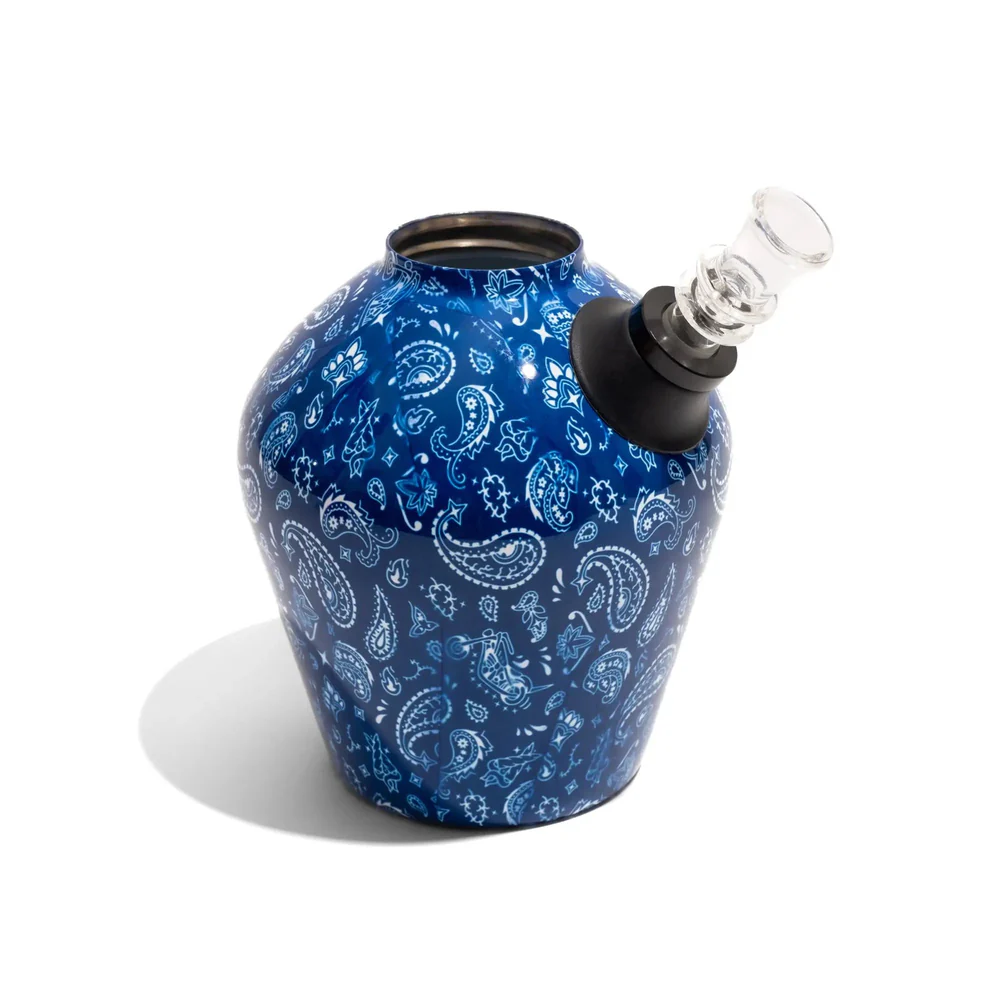
The body is made from Stainless Steel, which allows the Double-Wall Vacuum Insulated structure to function. Inside the Chill Base, a proprietary ceramic interior creates a glass-like surface within the chamber.
This means the airflow does not involve raw metal during use.
The combustion interface uses a Borosilicate Glass Bowl, and the system includes an Unbreakable Aluminum Downstem designed for the Chill setup. Each component has a defined role, and the system is designed to work together as one unit.
Built to Chill. Designed to Evolve.
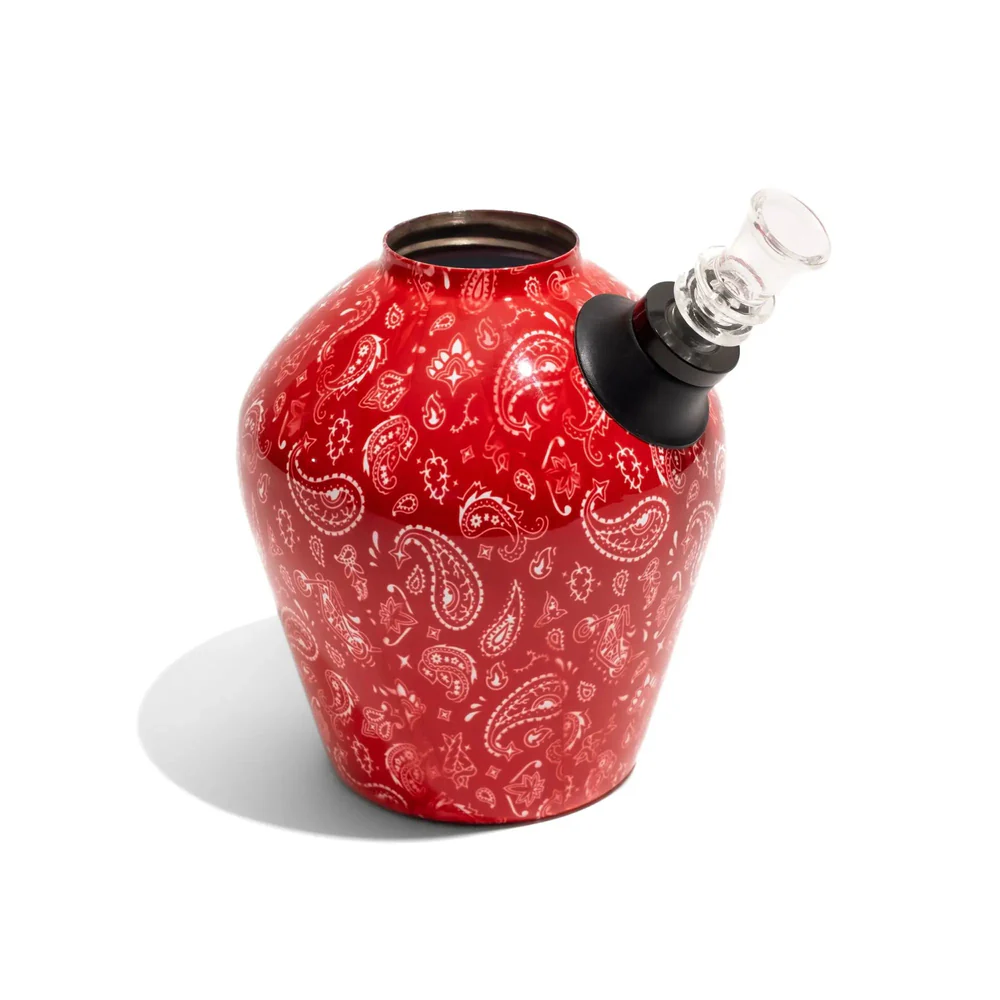
The Double-Wall Vacuum Insulated Chill Base is the foundation of the system, but it is not the only part of the design.
Chill Steel Pipes are modular. The Chill Base pairs with interchangeable Chill Neckpieces, allowing the setup to change without replacing the insulated core. The system also integrates with the Chill Hookah Set and Prism Water Pipes Collaboration pieces.
Final Thoughts
Cold bong hits are often associated with adding ice, but the real factor is how long that temperature lasts. When water warms, the experience changes with it.
Chill Steel Pipes approaches this through its Double-Wall Vacuum Insulation. This slows heat transfer, keeps water ice cold for up to 12 hours, and maintains a consistent internal temperature throughout the session.