

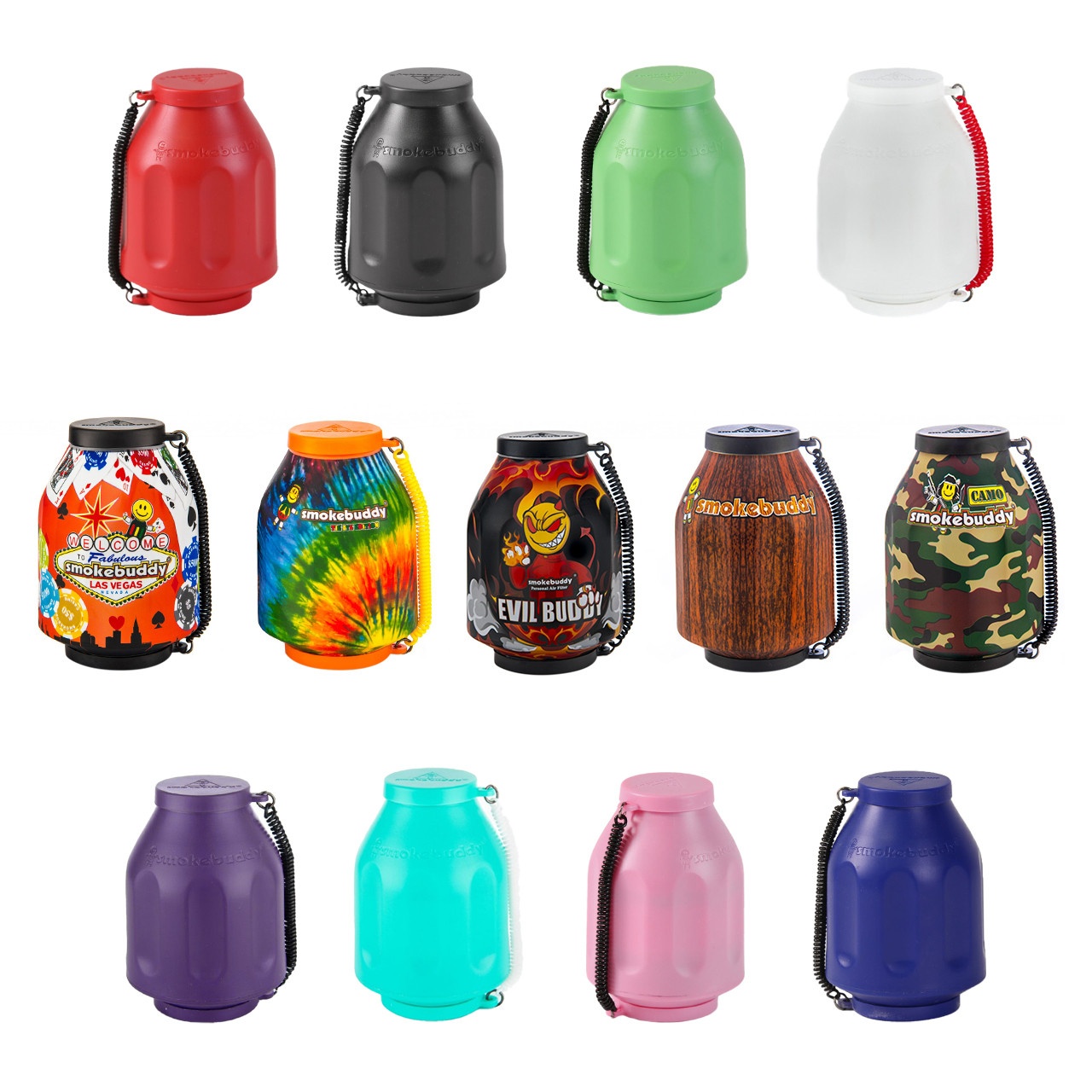
Picking up a personal air filter is one thing, but actually knowing how long it lasts is a whole different conversation.
The personal air filter lifespan depends on a mix of factors, from the size of the unit to how often it gets used, and even the way it gets stored when not in use.
This guide breaks down what affects the longevity of these filters and what to watch out for so the filter stays useful for as long as possible.
Get your personal air filter from Smokebuddy. The trusted name in cutting down indoor smoke and odor. Use code SLY25 at checkout and save 25% on your order.
What Determines the Personal Air Filter Lifespan
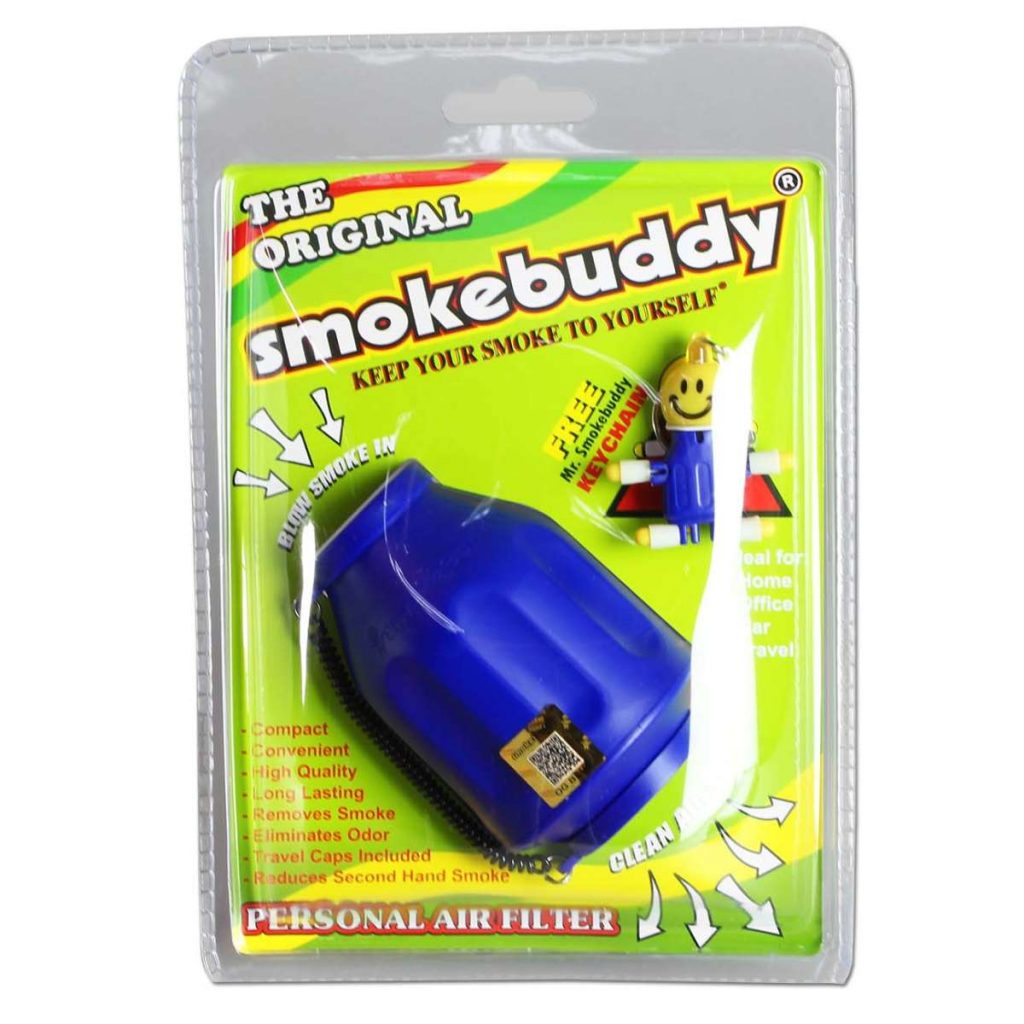
The personal air filter lifespan isn’t just a number printed on the box. Different units come with different expected use counts, and the actual longevity depends on real-world habits more than anything else. Knowing what goes into that number helps anyone make the most out of a single filter before swapping it for a new one.
Size and Capacity of the Filter
The biggest factor in personal air filter lifespan is the size of the unit itself. Smaller filters built for portability come with a shorter use count, usually around 150 or so exhales before the internal filtration starts losing effectiveness. The compact form makes them easy to carry, but the trade-off is that the activated carbon core has less material to work with.
Mid-sized units bump the personal air filter lifespan up significantly, often clearing 300 uses without breaking down. These tend to be the most popular pick because they balance size and longevity well. They fit in most bags or glove compartments while still offering enough capacity for daily use over a long stretch.
Larger units sit at the top of the personal air filter lifespan range, with use counts that can stretch into the high hundreds. These work best for personal air filters that get shared in group settings or used in spaces where extended use is the norm. The bigger the unit, the more carbon and ceramic bead material packed inside, which directly extends how long the filter stays functional.
Type of Use and Frequency
How often the unit gets used plays a direct role in personal air filter lifespan. A filter that gets exhaled into a few times a week will obviously last longer in calendar time than one used multiple times per day. The use count stays the same, but the spread of time changes based on session habits.
Heavy daily use will cut down the personal air filter lifespan in terms of weeks or months, even if the total use count matches the rated capacity. For anyone treating their filter for smoking as a daily essential, planning ahead with backups makes more sense than trying to stretch a single unit beyond what it can handle. The math just works out better that way.
Lighter or occasional users will get more calendar time out of a single unit, which makes the personal air filter lifespan feel longer in practice. The filter still has the same physical limits, but the spread-out use means it stays effective for a longer overall period. Matching the unit size to the actual use pattern is the best way to get value out of every purchase.
Habits That Affect How Long the Filter Lasts
Beyond the built-in capacity of the unit, daily habits make a real difference in personal air filter lifespan. The way the filter gets handled, stored, and used can either stretch its life or cut it short. Small changes in these areas add up over time and can mean the difference between a filter that maxes out its rated use count and one that taps out way too early.
Exhale Pressure and Technique
The way air gets pushed through the unit affects the personal air filter lifespan more than most people realize. Forceful, fast exhales push more moisture and pressure through the internal layers, which speeds up saturation. A slower, steadier exhale gives the carbon core time to actually do its work without getting overwhelmed.
Anyone using a smoke filter for the first time tends to push too hard, thinking more pressure means better results. The opposite is actually true. Controlled airflow extends the personal air filter lifespan because the internal materials don’t get hit with excess moisture or particulate buildup all at once. Settling into a steady exhale rhythm pays off in the long run.
The seal between the lips and the filter intake also matters here. A loose seal forces extra pulls to compensate for lost air, which cuts down the personal air filter lifespan faster than expected. A snug, comfortable seal means each exhale counts and the filter doesn’t burn through its capacity covering for technique issues.
Storage Conditions
Where the filter sits between sessions has a direct impact on the personal air filter lifespan. Leaving it in a humid environment or somewhere exposed to temperature swings can degrade the internal materials even when the filter isn’t being used. Moisture in the air gets absorbed by the carbon core, eating into its capacity before it even gets the chance to filter anything.
A dry, cool storage spot keeps the personal air filter lifespan on track. Tossing the unit into a bag without protection, leaving it in a hot car, or stashing it near a window with direct sunlight all cut down its effective life. Treating storage as part of the routine, not an afterthought, makes a noticeable difference over weeks of use.
Keeping the unit in a small case or pouch also protects it from physical damage. A cracked or warped shell affects airflow, which forces the internal filtration to compensate and shortens the personal air filter lifespan. For anyone investing in a personal filter for smoking, simple storage habits go a long way toward protecting that investment.
Sharing Versus Solo Use
Using the unit solo versus sharing it with a group changes the personal air filter lifespan in ways that aren’t obvious at first. Different people exhale with different pressures, moisture levels, and techniques, which means a shared filter goes through its capacity faster and less predictably. Solo use keeps the wear pattern consistent.
For group settings, the smarter move is matching the unit size to the actual user count. A mid-sized filter might cover a solo user for months, but the same unit will tap out in weeks if a few friends are sharing it regularly. Knowing this upfront helps with planning and prevents the frustration of a filter that quits earlier than expected.
The personal air filter lifespan also depends on hygiene factors when sharing comes into play. Saliva and moisture transfer between users adds up faster than solo use, which directly impacts the internal materials. Most regular users find that keeping the unit personal is the cleanest and most efficient way to maximize its life.
Signs the Filter Is Reaching the End of Its Life
Knowing when a unit is close to the end of its personal air filter lifespan saves a lot of headaches. Pushing a filter past its useful life means worse filtration, weaker odor control, and a generally less clean experience. Catching the warning signs early is the easiest way to stay ahead of the swap.
Resistance During Exhale
One of the clearest signs that the personal air filter lifespan is winding down is increased resistance when exhaling. A fresh unit lets air pass through smoothly with minimal pushback. As the internal materials saturate, that resistance builds up, and each exhale feels a little harder than the last.
When the resistance gets to the point where exhaling feels like a workout, the filter is basically tapped out. Pushing past that point doesn’t help, since the saturated materials can’t actually filter much of anything anymore. The unit becomes more of a placeholder than a working eco friendly air filter at that stage.
Catching this resistance early gives a heads-up to grab a replacement before the current unit fully fails. Most users find that the shift happens gradually, which makes it easy to notice if attention gets paid to how each session feels. Treating that as a regular check-in habit keeps surprises off the table.
Smell and Performance Changes
Another clear marker of personal air filter lifespan ending is when the smoke smell starts breaking through. A working unit traps the odor along with the particulates, but a saturated filter loses that ability over time. The first whiff of smoke escaping through the unit is a strong signal that the swap window is open.
Performance changes can be subtle at first. The filter might still work somewhat, but the output feels less clean than it used to. Trusting that gut check matters because the personal air filter lifespan often ends a session or two before the unit completely fails. Acting on the early signs prevents wasted sessions.
Visual cues also pop up near the end of useful life. Discoloration, slight warping, or a filter that just looks tired all point to the personal air filter lifespan being close to done. Combining the visual and performance checks gives a reliable read on when it’s actually time to retire the unit.
Getting the Most Out of Each Filter
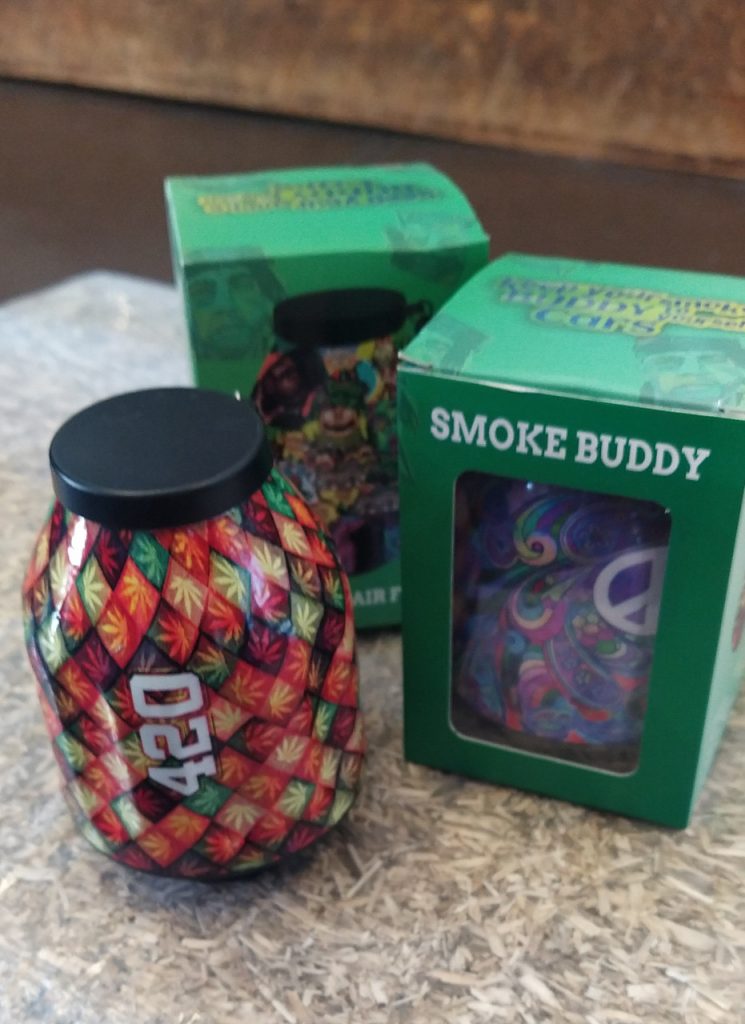
Maximizing personal air filter lifespan comes down to using the unit right and matching the size to actual needs. The built-in capacity matters, but real-world habits decide how close anyone gets to that maximum rated use count. A few smart moves stretch the value of every unit purchased.
Matching Size to Use Pattern
Picking the right size unit upfront is the biggest factor in getting full personal air filter lifespan value. A small portable unit makes sense for occasional users or people who need pocket-friendly gear. A larger unit suits daily or heavy users better because the swap interval matches realistic budgets and routines.
The mismatch problem usually comes from buying based on price alone. A small unit might cost less, but if it taps out in weeks instead of months, the cost per use ends up higher than a larger unit would have been. Thinking about the personal air filter lifespan in terms of total use, not just upfront cost, leads to better long-term choices.
For anyone unsure about the right size, starting with a mid-sized unit covers most use patterns. The 300-plus use rating handles regular sessions over an extended stretch, which works for most users. Upgrading to a larger unit later, once habits are clearer, becomes an easier call.
Eco-Friendly Disposal at End of Life
Once the personal air filter lifespan is done, the unit doesn’t have to just go in the trash. Many of these filters are made from post-consumer recycled plastic, which means they can be recycled again once their useful life ends. That keeps the whole cycle more sustainable and reduces waste.
Using a paper based filter approach in some product lines also pushes toward better end-of-life options, with materials breaking down more cleanly than traditional plastic-heavy designs. Either way, checking the recycling guidance for the specific unit before tossing it makes the choice easier and more responsible.
Stretching the personal air filter lifespan, then recycling the spent unit, hits both the practical and environmental angles. The combination keeps usage costs down while reducing the footprint left behind. That’s a solid loop for anyone trying to be smart about both their habits and their impact.
Final Thoughts
The personal air filter lifespan depends on a combination of built-in capacity and how the unit gets used over time.
Size sets the upper limit, but habits like exhale technique, storage conditions, and use frequency all play a role in how close anyone gets to that maximum. Paying attention to those factors stretches the value of every filter purchased.
Knowing the warning signs of a filter reaching the end of its life keeps the experience clean and effective. Resistance during exhale, smell breakthrough, and visual wear all point to the right time for a swap. Acting on those signs early prevents wasted sessions and keeps the routine running smoothly.
FAQs
How long does the average personal air filter last in daily use?
For daily users, a mid-sized unit with a 300-plus use rating typically lasts a few months before needing a replacement. Smaller units last shorter in calendar time under daily use, while larger units can extend the personal air filter lifespan to closer to a year depending on session frequency.
Does storing the filter properly really extend the personal air filter lifespan?
Storage conditions make a real difference. Keeping the unit in a dry, cool spot away from humidity and temperature swings helps the internal materials hold their capacity. Poor storage can shave weeks or months off the personal air filter lifespan even when the unit isn’t being actively used.
Can the personal air filter lifespan be checked without using the unit?
A quick visual inspection and a soft test exhale give a decent read on where the unit stands. Resistance during the test exhale points to remaining capacity, and any discoloration or warping suggests the filter is closer to the end of its useful life. Combining both checks is the most reliable approach.
Is the personal air filter lifespan the same across all sizes?
No, the personal air filter lifespan varies significantly by size. Smaller portable units rate around 150 uses, mid-sized units exceed 300 uses, and larger units run higher than that. Matching the size to actual use patterns is the best way to get full value from each unit.
What happens if a filter gets used past its rated personal air filter lifespan?
Pushing past the rated personal air filter lifespan means weaker filtration and reduced odor control. The unit still functions in a basic sense, but the cleaning power drops off significantly. Most users find that swapping at the first signs of resistance or smell breakthrough gives a better overall experience than stretching one unit past its limits.