

Living in a dorm room comes with its own set of rules, and smoking in college dorm spaces adds a whole layer of challenges on top of that.
Thin walls, shared hallways, and RAs walking the floors make odor management a real priority.
This guide covers practical ways to handle the smell, keep the space clean, and stay out of trouble while still enjoying a session.
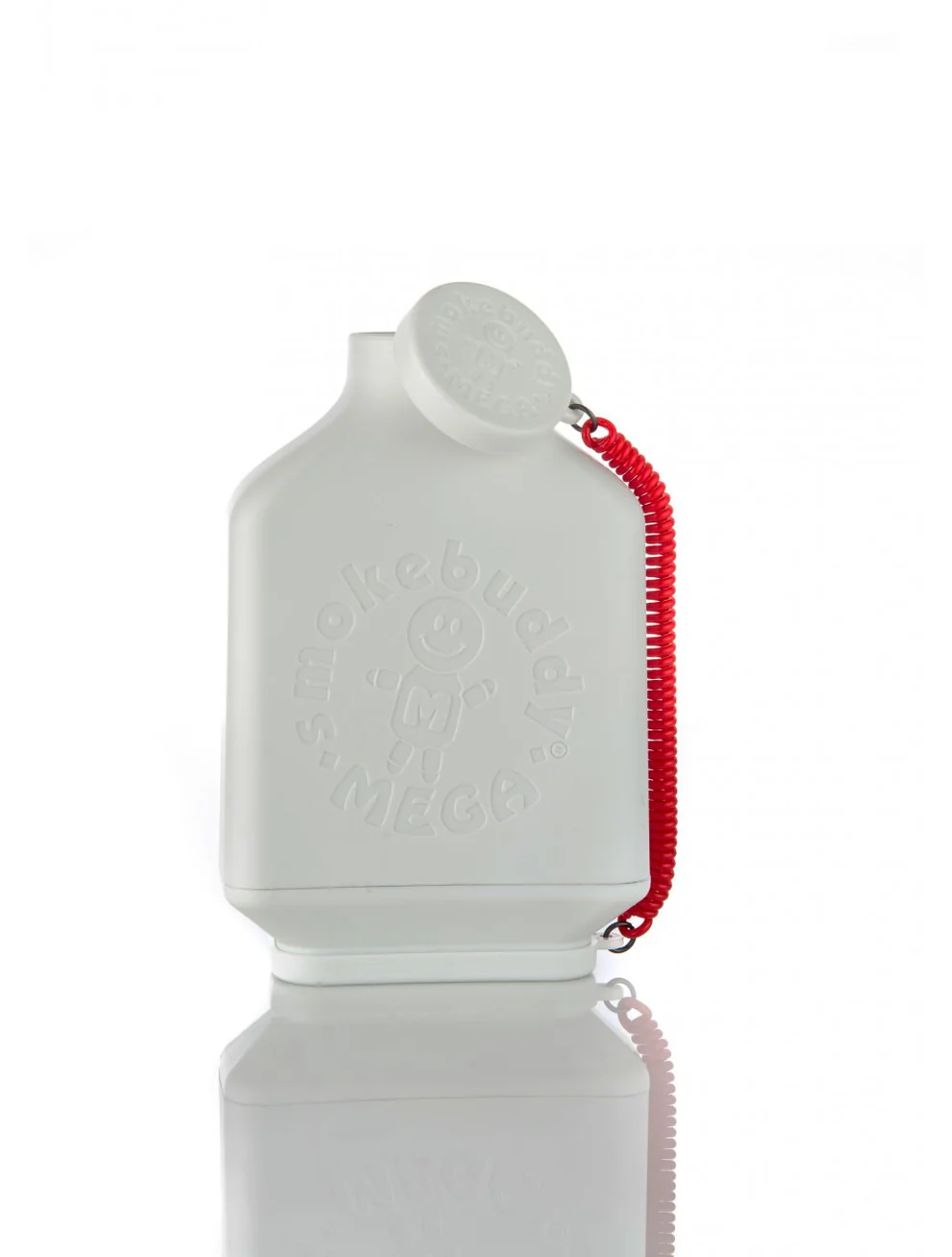
If indoor smoke and odor are a concern, Smokebuddy has been handling that problem for a long time. Grab your personal air filter and use code SLY25 for 25% off. It’s a no-brainer.
Why Odor Control Matters So Much in Dorm Settings
Dorm rooms are basically small boxes with limited airflow and neighbors on every side. Smoking in college dorm rooms means dealing with smells that travel fast, soak into fabrics, and linger way longer than expected.
The combination of tight quarters and shared ventilation systems makes odor the number one thing to manage.
The Layout Problem
Most dorm rooms share air systems with the rest of the floor or building. That means any smell produced inside one room can travel through vents and end up in the hallway or even in someone else’s space. Smoking in college dorm settings without addressing that airflow issue usually ends with someone noticing.
The doorway is another weak spot. Smoke that drifts toward the door can slip out into the hallway every time someone walks in or out. Even a brief crack in the door can let enough smell escape to draw attention from anyone passing by. The layout works against discretion by default.
Windows can help with airflow, but they can also push smell outward toward other rooms or the courtyard below. Smoking in college dorm setups means thinking carefully about where the smell goes once it leaves the room. Just opening a window without a plan often makes things worse instead of better.
What’s at Stake
Getting caught smoking in college dorm rooms usually means more than just a warning. Most housing contracts have strict no-smoking policies, and violations can lead to fines, room reassignments, or even being kicked out of housing entirely. The stakes are higher than in most other living situations.
The social fallout matters too. Roommates, neighbors, and RAs all have to share the same building, and one strong-smelling session can sour relationships fast. Smoking in college dorm spaces without thinking about the people nearby can lead to complaints that snowball into bigger problems.
Investing in good personal air filters is one of the smartest moves anyone in this situation can make. The point isn’t to be paranoid, just practical. Knowing what’s at stake makes it easier to take the small steps that keep everything running smoothly.
Smart Tools for Managing Smoke and Smell
Handling odor while smoking in college dorm rooms takes more than cracking a window. A few specific tools make a real difference and are worth keeping on hand. Each one addresses a different part of the smell problem, and using them together is usually the most effective approach.
Personal Filters as the First Line of Defense
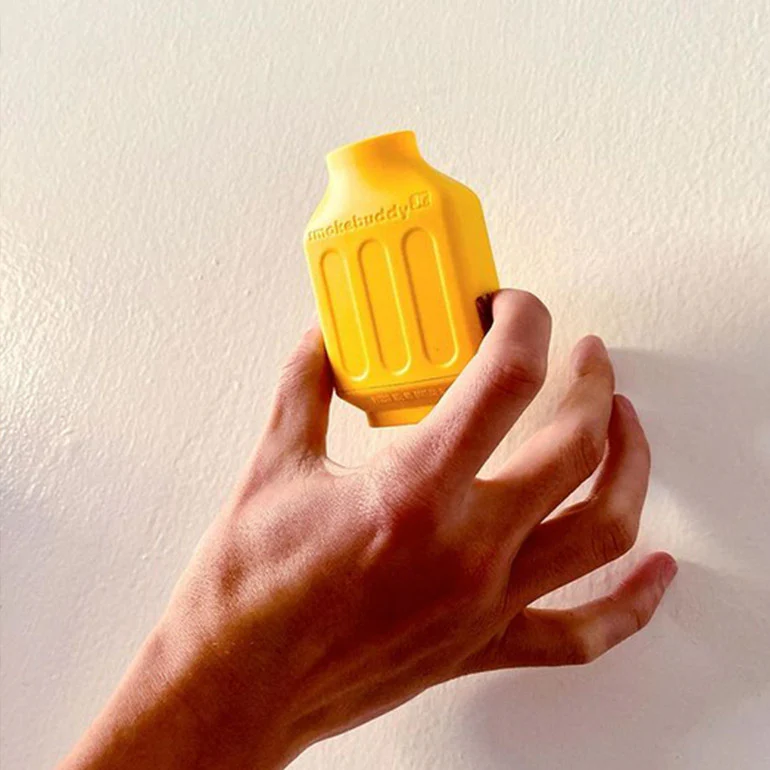
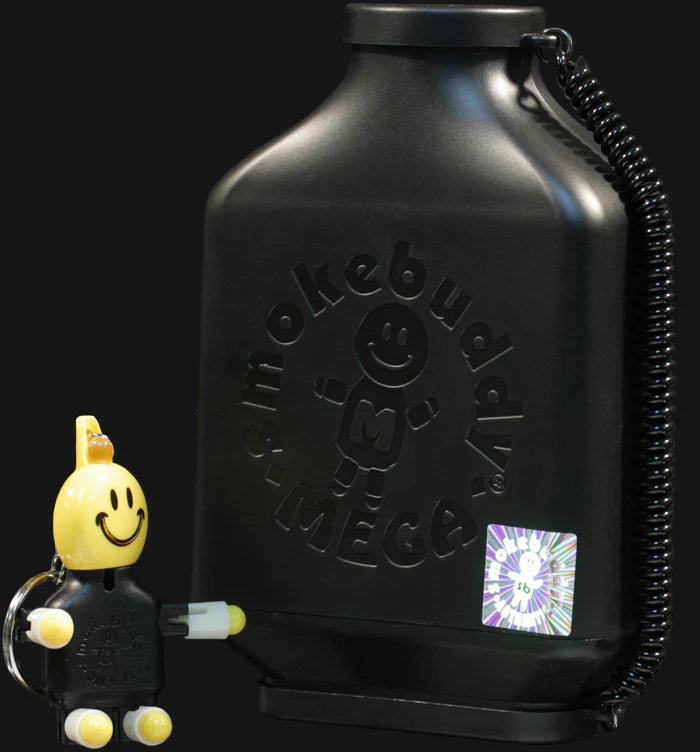
A personal filter is the most direct way to handle exhaled smoke. These units use activated carbon and ceramic bead technology to trap odors and particulates before they hit the air in the room. For smoking in college dorm settings, this is basically essential gear.
The way these filters work is simple. The exhale gets pushed through the filter instead of straight into the room, which means most of the smell gets caught at the source. A solid filter for smoking can knock out the majority of the odor problem before it even has a chance to spread. Picking the right size matters here too, since portable units exist alongside larger options.
For dorm rooms specifically, a mid-sized unit usually fits the bill. It handles regular use without taking up much space, and it lasts long enough that frequent swaps aren’t a constant concern. Smoking in college dorm spaces becomes way more manageable once a reliable personal filter becomes part of the routine.
Airflow and Ventilation Tweaks
Even with a personal filter, some airflow management still helps. A small fan pointed toward a cracked window can help pull any stray smell out of the room. The key is creating a directional flow that moves air out instead of letting it settle.
Towel under the door is the oldest trick in the book, and it still works. Blocking that gap stops smell from drifting into the hallway, which is usually where complaints start. Smoking in college dorm spaces without sealing that gap is asking for trouble, especially during evening hours when RAs tend to be more active.
Some people also use a smoke filter in combination with a fan setup, pushing the exhaled smoke through both layers of defense. The personal filter handles the bulk of the smell, and the fan moves any leftover air out of the room. That combo covers most situations without needing anything more complicated.
Masking Smells the Right Way
Air fresheners and incense get used a lot, but they can backfire. Heavy fragrances on their own tend to draw attention because they signal that something is being covered up. The smell of strong air freshener mixed with smoke is actually more suspicious than either one alone.
A better approach is using something subtle that fits the room’s normal vibe. Light candles, cooking smells from a microwave snack, or even a regular plug-in air freshener that’s been there for weeks all work better than a sudden blast of fragrance. Smoking in college dorm rooms calls for blending in, not covering up loudly.
Keeping a personal filter for smoking as the primary tool, with subtle masking as backup, hits the right balance. The filter does the heavy lifting on actual odor reduction, and the masking just helps with any trace amounts. Stacking these layers keeps things low-key.
Timing and Habits That Make a Difference
Beyond the tools, the actual habits around smoking in college dorm rooms shape how noticeable everything ends up. Timing, frequency, and consistency all matter, and small adjustments can make the whole routine smoother. Building a smart approach saves a lot of headaches down the line.
Picking the Right Times
Late nights or weekends tend to be the quietest periods in most dorms. RAs are less likely to be doing rounds, and most neighbors are either out or already asleep. Smoking in college dorm rooms during these windows reduces the odds of someone noticing.
Avoiding peak hours is just as important. Right after classes get out, during dinner time, or on weekend afternoons when traffic in the hallways is heavy, the chance of getting noticed goes up. Timing around the building’s natural rhythm makes a real difference in staying under the radar.
Weather plays a role too. Cold or rainy days mean windows stay closed across the building, which traps smells more easily. Warmer evenings with light breezes give better natural ventilation. Adjusting habits to match the conditions outside helps the whole setup work better.
Keeping the Routine Consistent
Sporadic, intense sessions tend to create stronger smell spikes than steady, lighter use. Smoking in college dorm spaces in a more measured way keeps the odor levels manageable instead of overwhelming the room and any filtration in place. Pacing matters more than people often realize.
Using an eco friendly air filter consistently also helps build a routine that becomes second nature. Once the filter, the fan, and the door towel are all standard moves, the whole process happens without much thought. That consistency is what keeps things from slipping.
Cleaning up afterward should be part of the routine too. Airing out the room briefly, putting away any gear, and running through a quick check makes sure nothing lingers. Smoking in college dorm settings benefits from treating each session as a complete process, not just the smoking part itself.
Managing the Aftermath
Even with all the right tools, some residual smell can stick around. Soft surfaces like bedding, curtains, and clothes absorb odor over time, which can make a room start smelling even when no session is active. Regular laundering keeps that buildup in check.
A small handheld vacuum or fabric spray helps refresh surfaces between deeper cleanings. Smoking in college dorm rooms means staying ahead of that buildup instead of letting it accumulate. The longer it sits, the harder it becomes to remove without a major effort.
Switching to a paper based filter option for any disposable parts also reduces the lingering material that has to be dealt with after each session. Less waste means less to hide and less to clean up. The eco-friendly angle pays off in both directions here.
Final Thoughts
Smoking in college dorm rooms takes more thought than smoking in most other places, but it can be managed with the right tools and habits. A solid personal filter handles the bulk of the odor work, and small adjustments to airflow, timing, and routine cover the rest. The whole thing comes down to being deliberate instead of careless.
The stakes around smoking in college dorm settings are real, with housing rules and neighbor relationships both on the line. Building a smart routine protects both. Anyone serious about keeping their space and their living situation intact will find that a little planning goes a long way.
FAQs
What is the most important tool for smoking in college dorm rooms?
A personal filter is the most important tool. It traps exhaled smoke at the source before it spreads through the room, which handles the bulk of the odor problem. Pairing it with simple airflow tricks covers most situations.
How can smell from smoking in college dorm rooms be kept from reaching the hallway?
Blocking the gap under the door with a towel is the most reliable move. Combining that with a fan pointed toward a cracked window creates directional airflow that pulls air out of the room instead of letting it drift into shared spaces.
Are air fresheners enough to cover the smell from smoking in college dorm spaces?
Air fresheners alone usually aren’t enough and can actually draw attention by signaling that something is being masked. Using a personal filter as the main tool, with subtle background scents as backup, works better than relying on fragrance alone.
How often should a personal filter be replaced when smoking in college dorm rooms?
Replacement timing depends on the size of the filter and frequency of use. Mid-sized units typically handle daily use for several months before needing a swap. Watching for resistance during exhale or smell breakthrough is the best way to know when to switch.
What time of day is best for smoking in college dorm rooms?
Late nights and weekends tend to be quieter periods with less hallway traffic and lower RA activity. Avoiding peak hours like right after classes or during dinner time reduces the chance of being noticed. Timing around the building’s natural rhythm helps a lot.